
Sustainable Facilities & Energy
Our Approach
Sustainability and Energy focuses on operational strategies and campus initiatives that support a more resilient, efficient, and environmentally responsible university.
We integrate sustainability into the planning, operation, and maintenance of our facilities while partnering across campus to continuously improve performance and promote innovation.
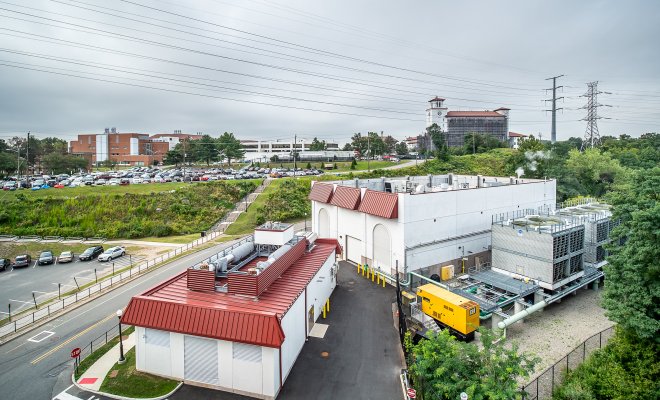
Montclair State University is committed to creating a more sustainable, resilient, and equitable campus for today and future generations.
Facilities Sustainability Plan
Our Goals
01 Reduce greenhouse gas emissions
02 Conserve energy and water
03 Minimize waste and promote recycling
04 Enhance sustainable mobility options
05 Support a healthy and equitable campus
06 Foster innovation and continuous improvement
Want to Learn More?
Facilities Sustainability Plan
Focus Areas
🌿Green Campus
Supports sustainable landscapes and efficient campus infrastructure.
⚡Energy Management
Uses co-generation and solar energy to reduce campus impact.
♻️ Responsible Operations
Reduces waste and improves sustainable day-to-day operations.
🤝 Collaboration + Engagement
Builds awareness and participation in campus sustainability efforts.
💧 Resource Stewardship
Supports low-carbon campus mobility and resource efficient landscapes.
Leadership in Environmental and Energy Design (LEED)
Montclair State University has committed to designing all new buildings to meet specifications for a Silver rating under the Leadership in Environmental and Energy Design (LEED) rating system.
Green buildings are structures designed and constructed in a manner which reduces their impact on the environment and public health through the efficient utilization of resources.
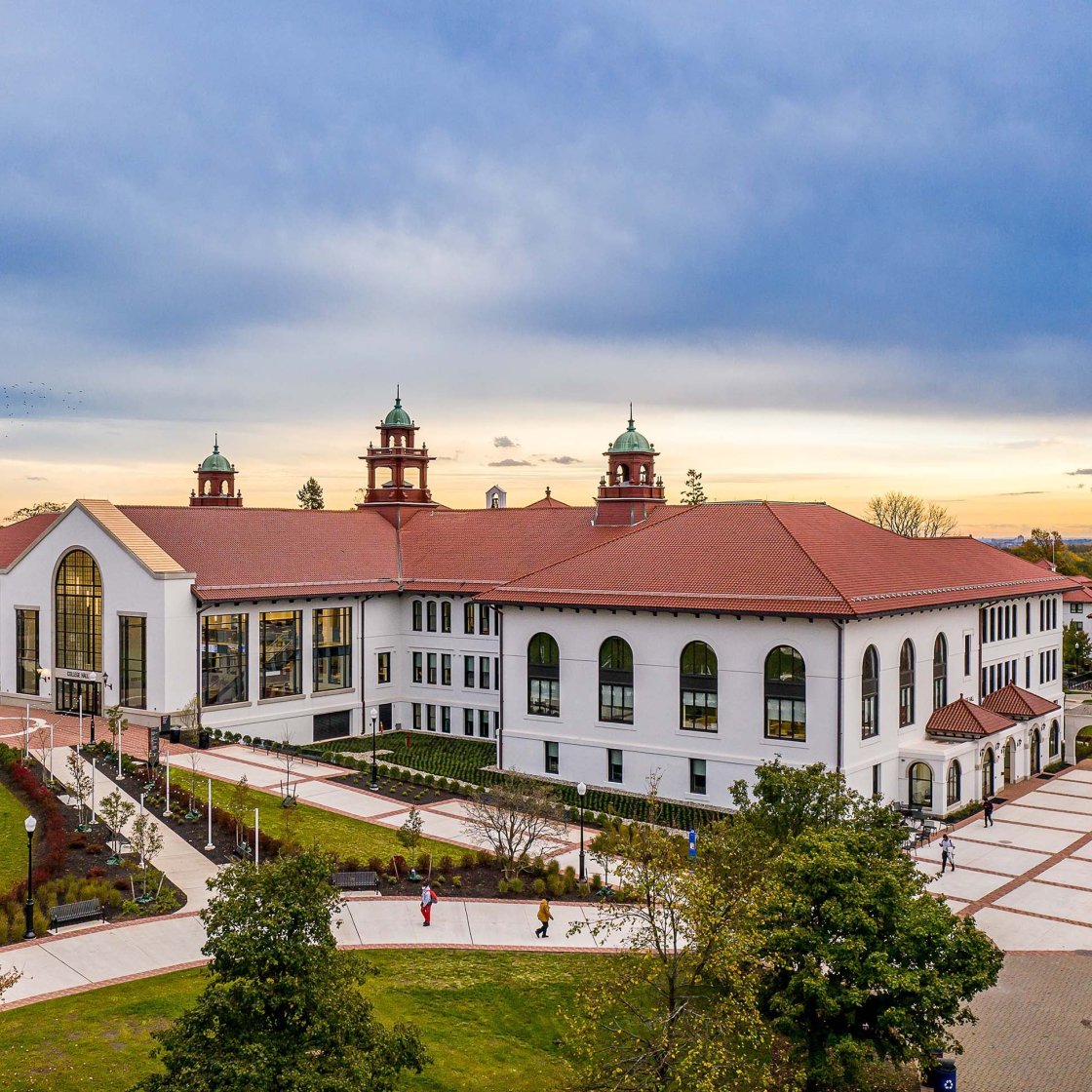
Susan A. Cole Hall (formerly College Hall)
LEED Gold® – July 14, 2021.
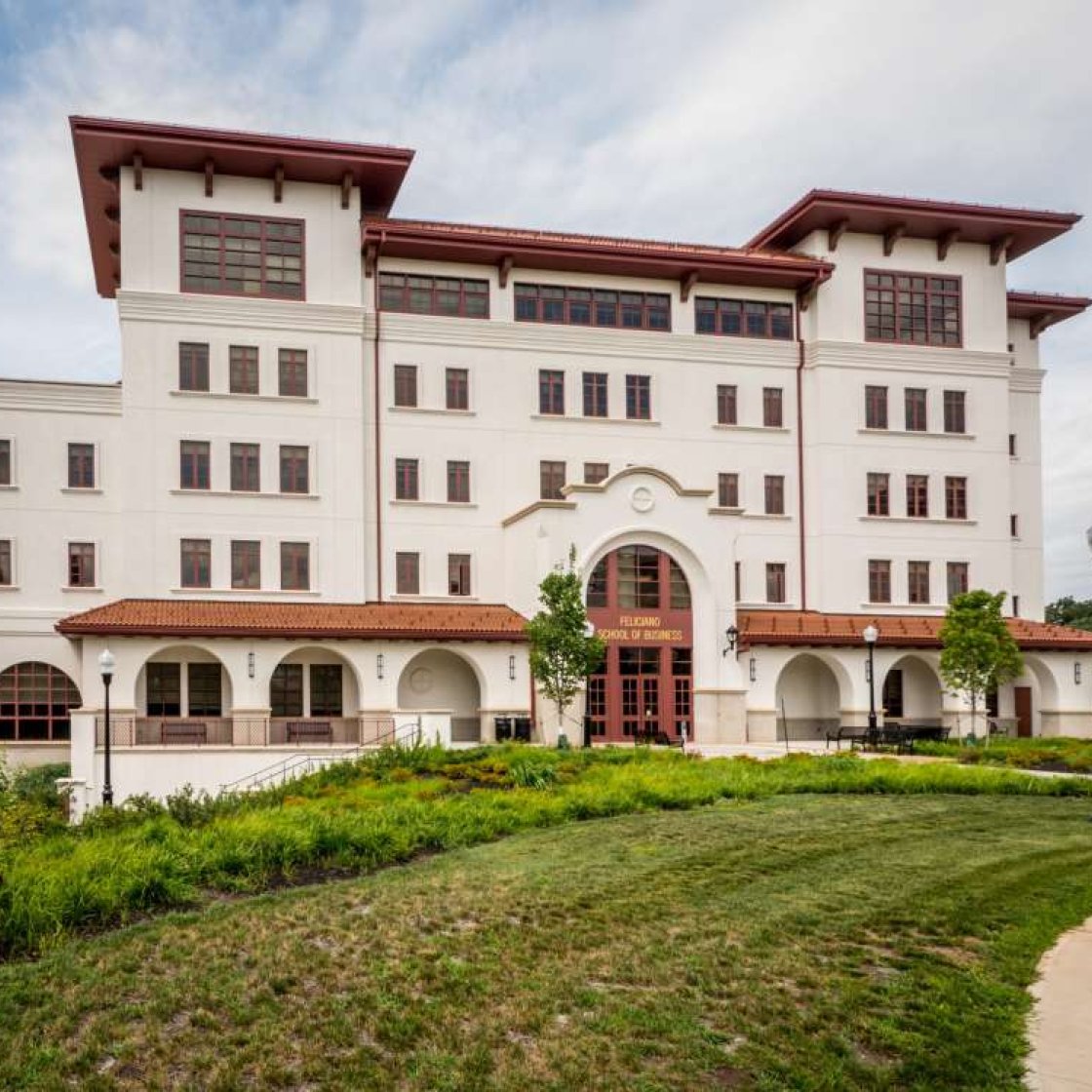
The Feliciano School of Business
LEED Certified® – May 20, 2020.
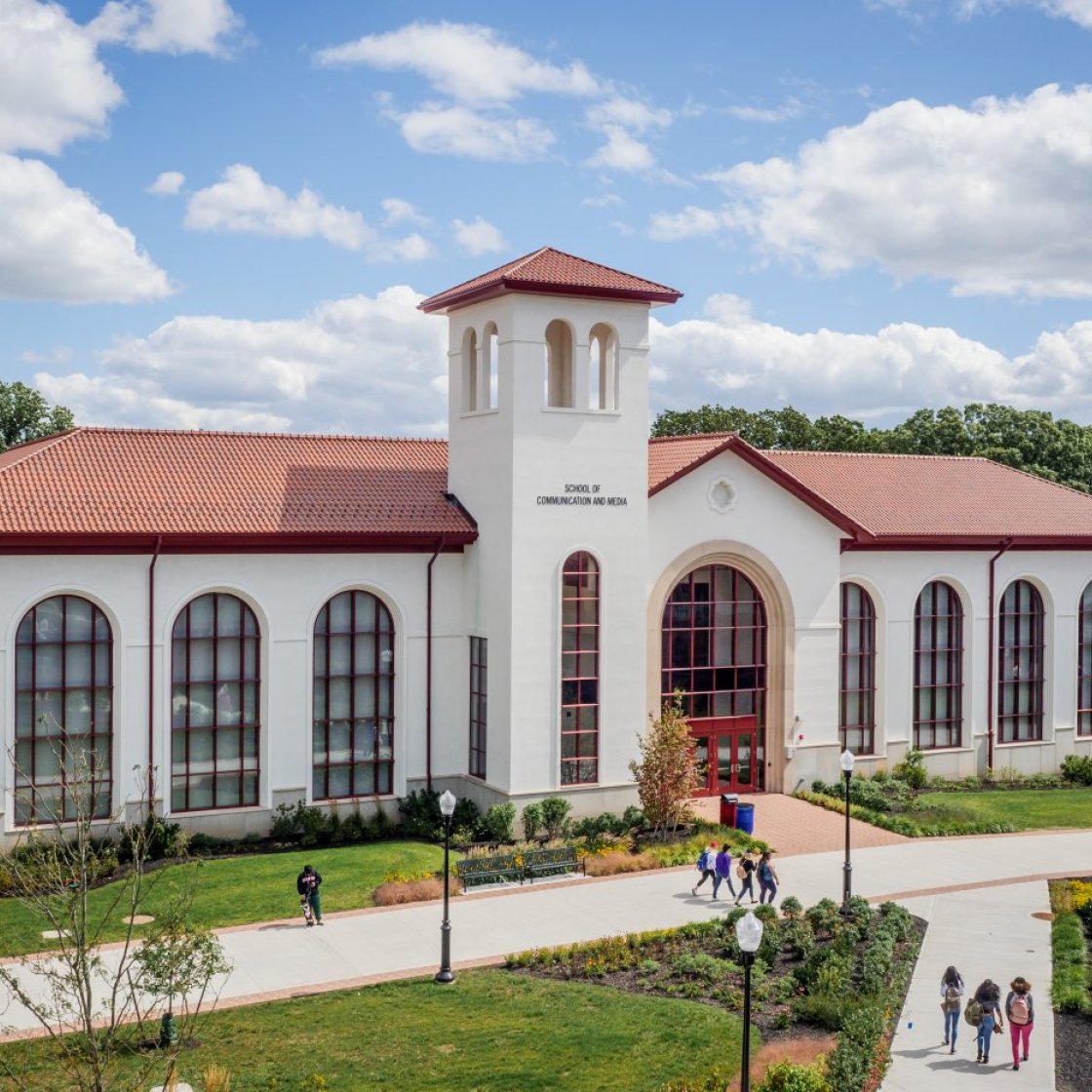
The School of Communication and Media
LEED Silver® – October 18, 2018.
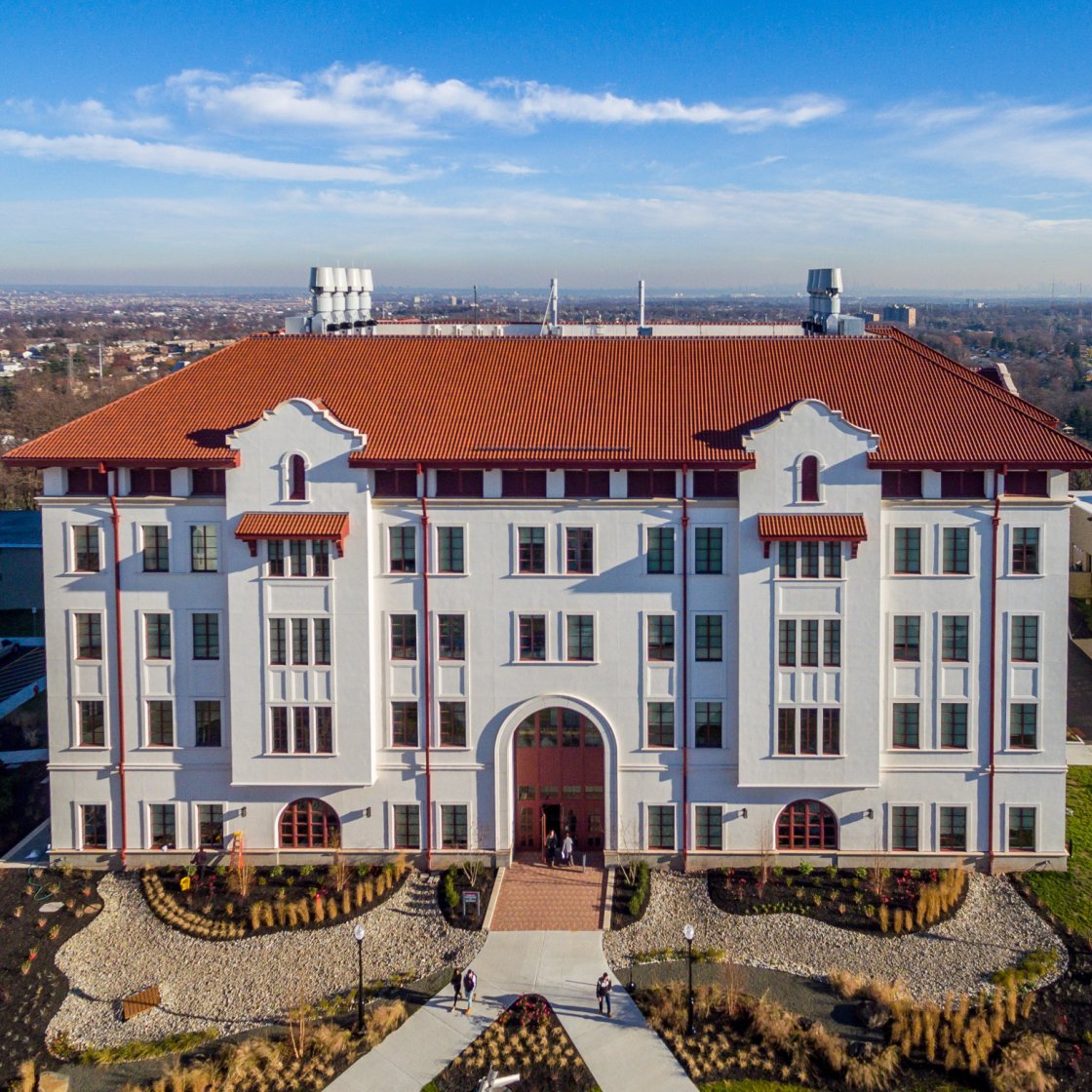
The Center for Environmental and Life Sciences
LEED Gold® – March 29, 2017, earning Montclair State University the distinction of having one of two public buildings in the State of New Jersey recognized with LEED Gold® status.
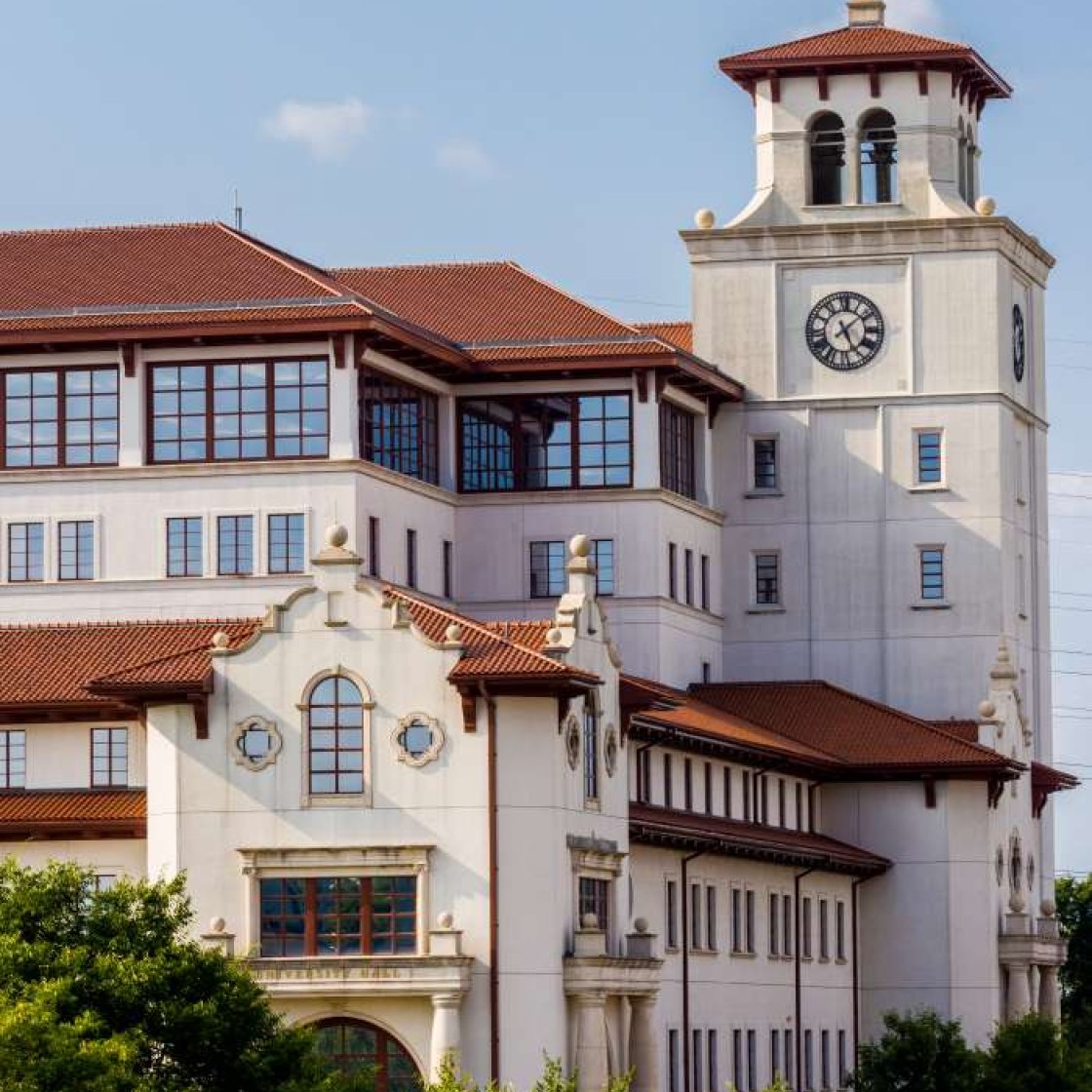
University Hall
LEED Certified® – August 13, 2008.
Sustainability Initiatives
Explore sustainability initiatives focused on energy efficiency, responsible operations, green infrastructure, and resource stewardship across campus.
Clean Energy
Powering campus through clean energy, EV charging, sustainable transportation options, and responsible landscape practices.
Complete Streets
Promoting safe, accessible, and connected streets for all users through thoughtful planning, design, and infrastructure.
Responsible Landscaping
Utilizing low-emission and water efficient equipment to maintain landscapes and the campus grounds.
Recycling + Water
Reducing waste through recycling and surplus furniture reuse while conserving water across campus systems.
Sustainable Cleaning
Using environmentally responsible cleaning products and operational methods across LEED campus facilities.
Green Building
Improving building performance through sustainable design, energy efficiency, and environmentally responsible construction.
Contact Sustainability + Energy
For questions about sustainability initiatives, energy management, conservation programs, or campus environmental efforts, please contact the Office of Sustainability below.
University Facilities oversees the daily and long-term operation of the campus infrastructure — from custodial care and waste management to building repairs, parking, shuttle services, capital projects and renovations, environmental safety, and campus conveniences like passport, notary, and Amazon locker services.
- University Facilities
- facilities@montclair.edu
- 973-655-5444