
Ben Samuels Children's Center
- College for Education and Engaged Learning
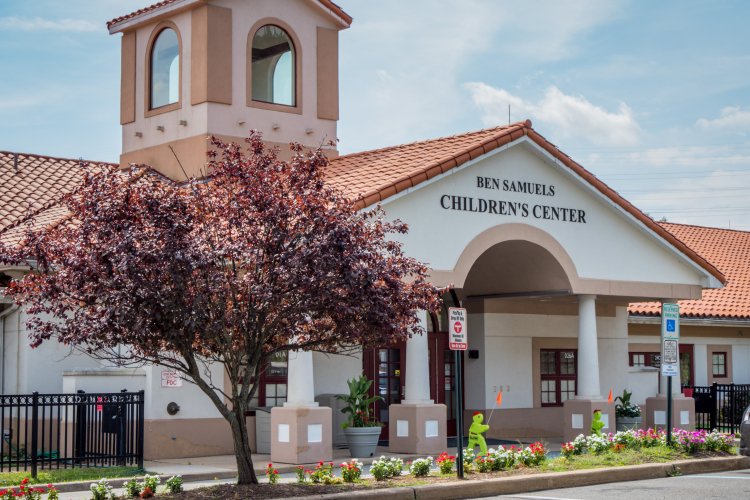
The Ben Samuels Children’s Center is committed to examining and implementing the best practices of teaching and learning in a nurturing environment where all children learn, play and grow together.
- childrenscnt@montclair.edu
- 973-655-7177
- 80 Clove Rd, Little Falls, NJ 07424
- Monday - Friday, 7:30 a.m. to 6:00 p.m.

Ben Samuels Children's Center
Services We Offer
The Ben Samuels Children’s Center provides inclusive child care and early education for children 12 weeks to 5 years old between the hours of 7:30 am and 6:00 pm. We have two infant, four toddler and six preschool classrooms. The facility includes two indoor gyms and wide hallways that are used for indoor gross motor play. The large park-like lawn that surrounds the building has four playground equipment areas and plenty of open space.
Three of our six preschool classrooms are part of Montclair’s Universal Pre-K program—known as "Mini-Mounties"—which provides free, full-day preschool from 8:30 am - 2:30 pm for 3- and 4-year-old Montclair residents only. Wrap-around care available for an additional fee.

Demonstration Program
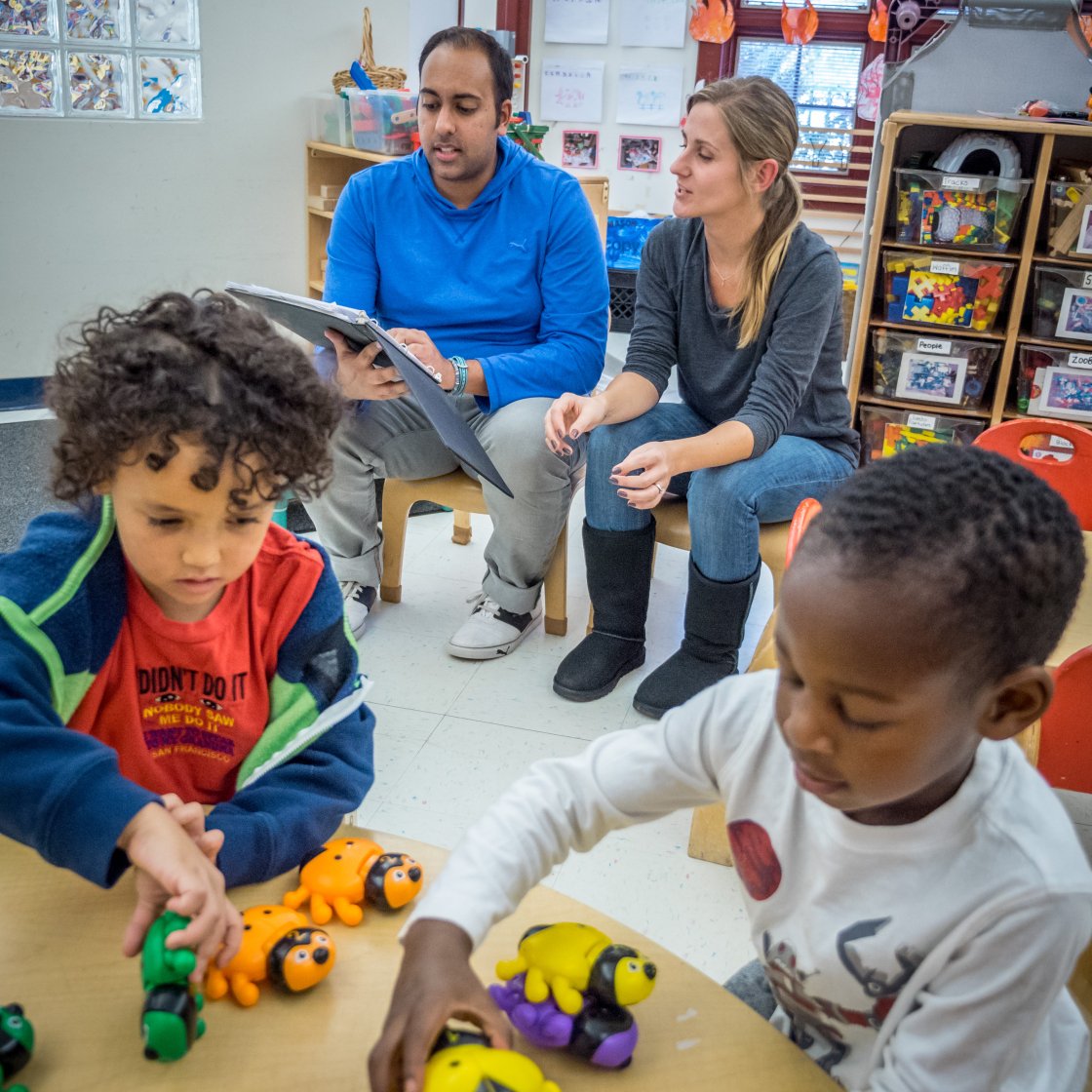
Our Demonstration Program provides inclusive special education services to students placed at Ben Samuels through their school district. We offer private pay Supported Preschool Therapeutic Programs based on evaluations and placement recommendations.
Support staff including a speech-language pathologist, inclusion specialist, occupational and physical therapists and assistants provide therapeutic services to children/families who have individualized education plans (IEP) through their school district. Among the staff is a music therapist who works with the classroom teaching teams to infuse arts into the classroom curriculum.
The presence of Montclair State University faculty and students further enhances the services provided. Our forty-five plus professional staff members work closely with faculty members and actively participate in the pre-service development of Montclair State University students by offering guided observations, supervised clinical hours and mentoring.
If your child has received an evaluation and qualifies for therapeutic services, please let us know so that we can best assist you. Therapeutic services are in addition to our childcare.
The Jeffrey Dworkin Early Intervention Program
The Jeffrey Dworkin Early Intervention Program (JDEIP) is a comprehensive Essex County agency within the New Jersey Early Intervention System (NJEIS). JDEIP is under the auspices of the Center and aligns with the mission of NJEIS to enhance the capacity of families to meet the developmental and health-related needs of children from birth to age three who have delays or disabilities. Therapeutic Consultants support the families and their children in naturally occurring environments - family homes, childcare settings, community classes, etc. There are over 60 therapists and practitioners currently enrolled in the agency providing therapeutic services for approximately 115 children throughout Essex County.
Quick Links

Prospective Families
Although most of our enrollment is done over the summer, we do sometimes have openings during the year. A waitlist is maintained for all age groups.

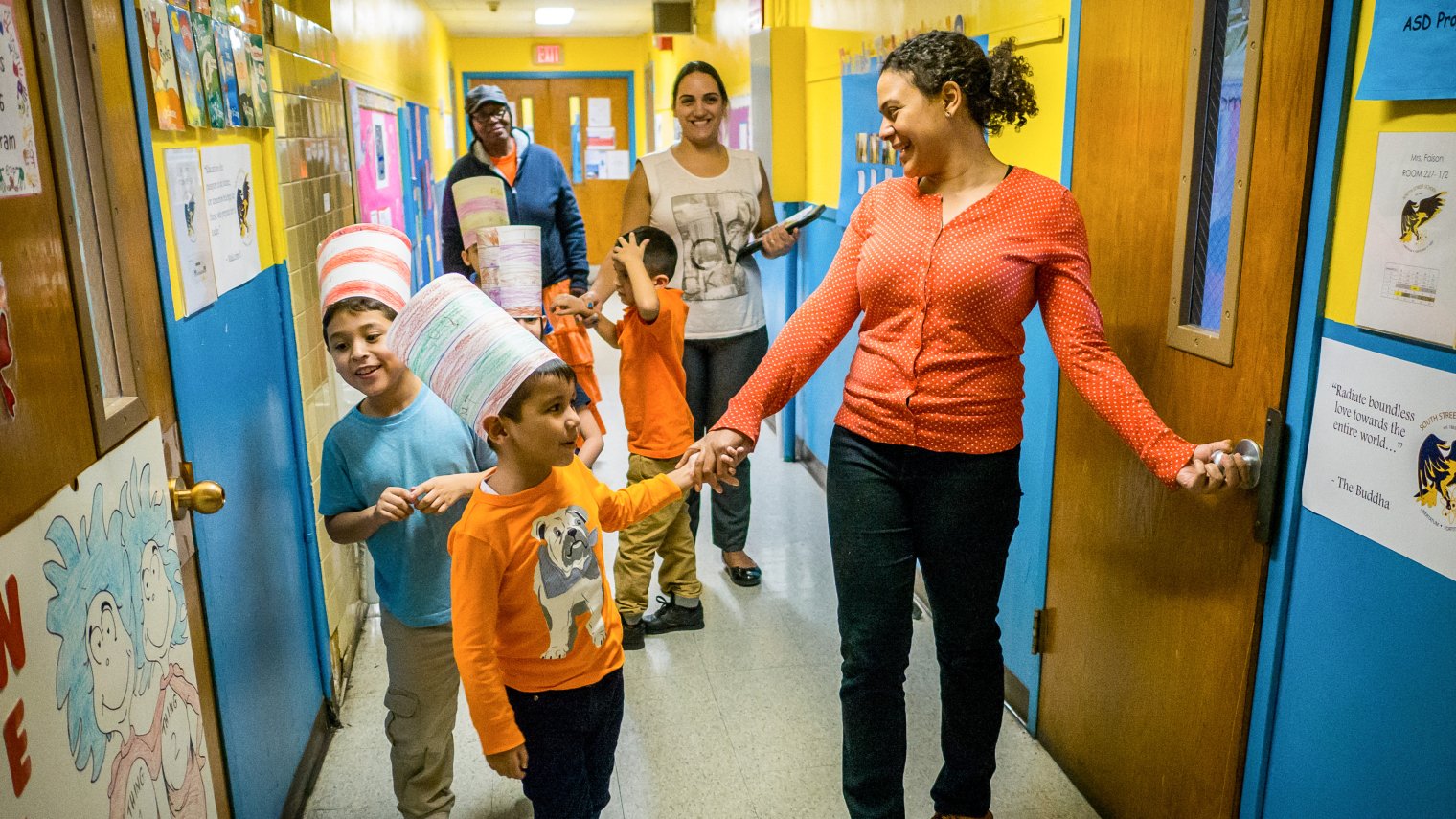
Our Staff
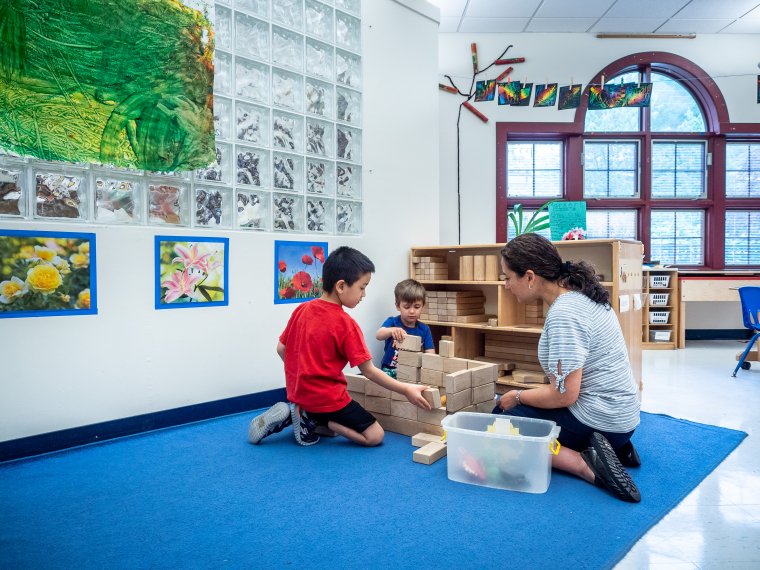
Milla Yakubov
Director
yakubovl@montclair.edu
Lisa Kontos
Associate Director
kontosl@montclair.edu
Theresa Andrade
Enrollment Coordinator
andradet@montclair.edu
Erin Clark
Inclusion Specialist
clarke@montclair.edu