Administrative Department

Environmental Health and Safety

Leading Health, Safety, & Compliance

Environmental Health & Safety goes beyond compliance to protect our campus community, while our Occupational Health team keeps that commitment personal — delivering accessible, high-quality care for every employee.

Environmental Health and Safety
ehs@montclair.edu
973-655-4367
Occupational Health
ohd@montclair.edu
973-632-0136
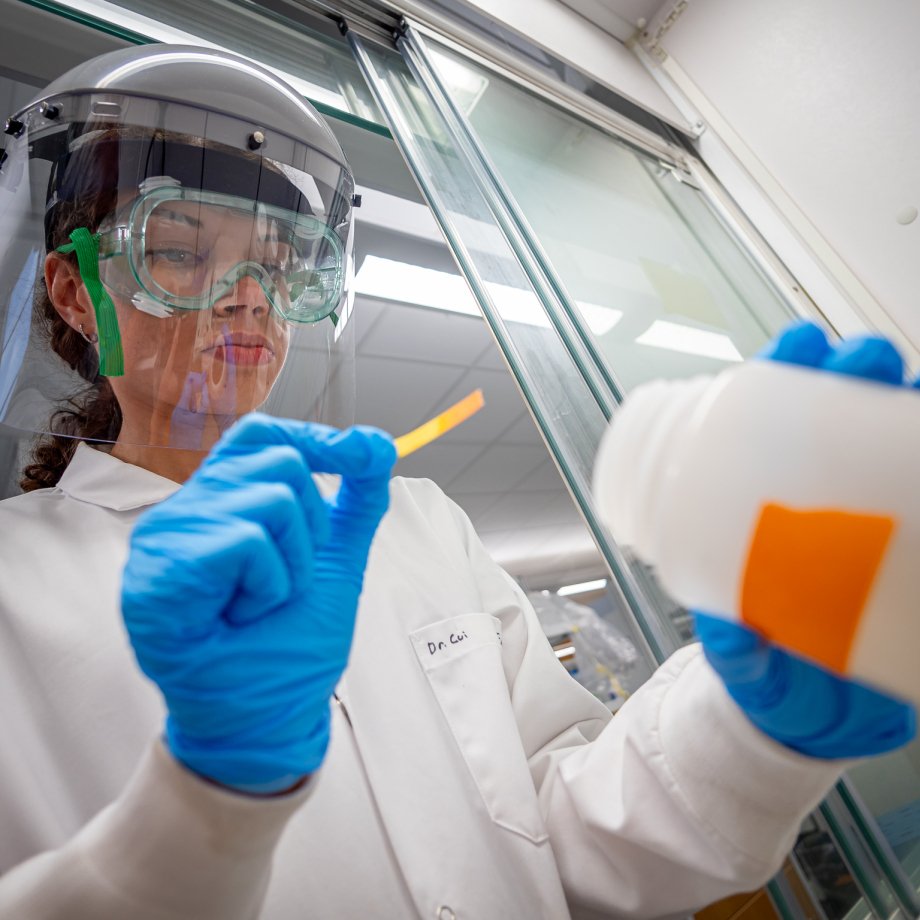
Emily Cepin Lab Photo

Our Focus

The Office of Environmental Health & Safety (EH&S) develops, establishes, and administers the University’s policies and procedures for environmental management, occupational safety, and health practices and ensures the University’s compliance with all federal, state, and local laws, regulatory guidelines, and industry standards. We provide environmental management services to the campus community through technical support, information, training programs, consulting services, and the periodic auditing of campus environmental, safety, and health practices.

EH&S expects 100% compliance with all applicable environment, health, and safety requirements; however, compliance is our minimum operating expectation at Montclair State University. We choose to be leaders by exceeding the minimum expectation.
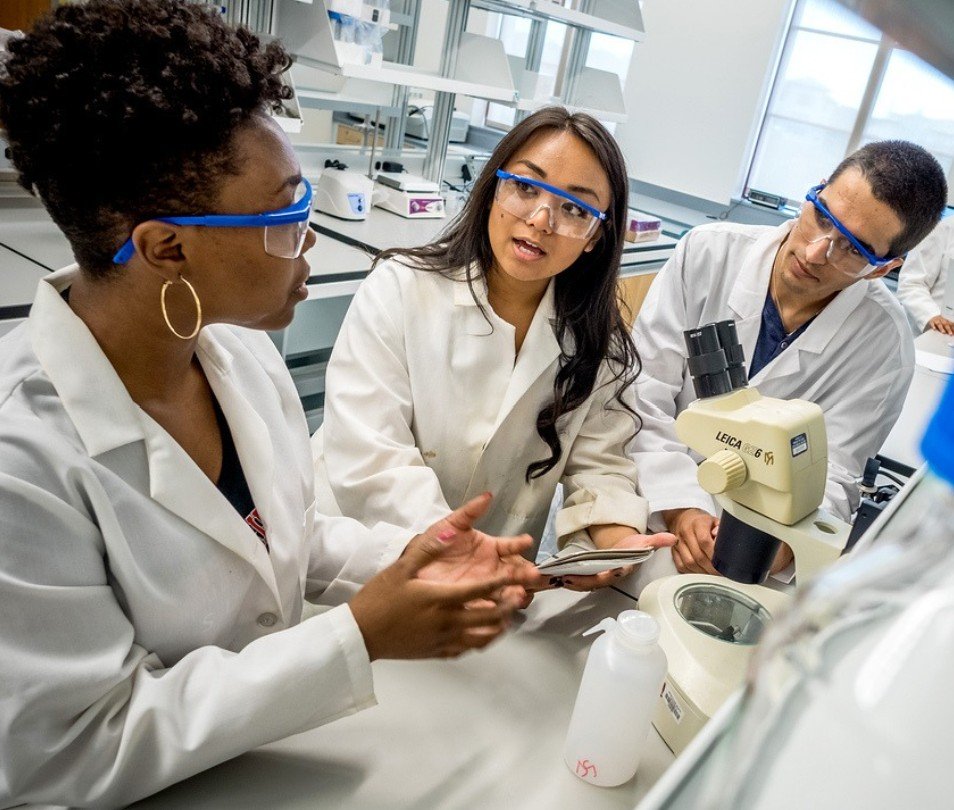
CELS_students-in-lab_120717

Environmental Safety

There are significant global environmental concerns, particularly in developing nations: global warming; degradation of air, water and land in industrialized areas; depletion of natural resources; loss of agricultural land due to deforestation and soil erosion; and threatened wildlife habitats.

One of the reasons Montclair State University exists is to transform people’s lives through education and research. The value judgment made by members of our university community are based on our role in society and what kind of impact we have on the environment. From the environmental perspective, sustainability is about increasing stakeholder and societal value while decreasing our environmental footprint. We define our footprint as injuries, illnesses, incidents, water consumption, waste, emissions and energy.

Important Safety Information

What is Mold?

Molds are naturally occurring fungi that can be found anywhere. Many different species of mold exist in New Jersey.  Molds help break down dead materials and convert it back into organic matter which can be used by living organisms.

source NJ Department of Health

How Does Mold Grow?

Molds grow by digesting and destroying the material they grow on.  Molds can grow on virtually any substance, as long as moisture, oxygen, and an organic source are present. Molds reproduce by creating tiny spores (viable seeds) that usually cannot be seen without magnification. These spores become airborne, both outside and inside of buildings.  If spores land on suitable material and conditions are favorable, the mold will begin to grow.

What Does Mold Look Like?

Molds grow in colonies and growth may take on different shapes and colors.  Some molds may appear circular in growth while others may grow and spread to cover an area.  Molds may appear brown, yellow, green, or black in color.  The appearance depends on the species of mold present.

Understanding Molds

Even though molds are everywhere, they may become a problem when they begin to grow inside homes and buildings.  Many building materials such as drywall, ceiling tiles and wood framing contain cellulose, which is a material on which molds can grow.

As molds grow on building materials they may become destructive.  Molds may grow unnoticed, above ceilings, behind walls, in attics and basements or in crawl spaces.  Molds can cause staining of walls and ceilings and can begin to break down the studs and joists of buildings causing extensive property damage.

Excessive moisture is a key ingredient which causes molds to grow.  Sources of excess moisture may be:

  • plumbing leaks
  • leaking roofs or windows
  • high humidity
  • flooding
  • condensation inside walls due to poor insulation

Health Concerns About Mold

Individuals at highest risk for health effects resulting from mold exposure include:

  • Those who have pre-existing health conditions (allergies and lung conditions such as asthma or emphysema)
  • Infants
  • The elderly

Molds emit spores and chemicals as part of their normal life cycle and some individuals may exhibit reactions when exposed to these materials.  Molds are microscopic and, once airborne, can easily be inhaled.  Spores may contain allergens that can cause irritation to the nose, throat and respiratory tract.

In addition to allergens, molds may emit microbiological volatile organic compounds (MVOC’s).  These chemicals usually have a strong and unpleasant odor and are associated with the musty smell that individuals equate to mold being present.  These chemicals, when released into the air, can be inhaled, ingested or absorbed through the skin.  When inhaled, they can cause allergic reactions.  MVOC’s have also been linked to headaches, nausea, dizziness and fatigue.

Some molds may cause more severe reactions than others.  If you are experiencing severe reactions, that improve when you leave the affected building, you should speak to your physician and a consultant regarding the advisability of staying in the building where the problem exists.


How to Report Suspected Mold on Campus

Residential Students

If at any time mold is suspected within any residential space, residents are strongly encouraged to report their findings immediately to their Community Director via email. That in turn will begin the coordination to inspect, clean and remediate any area as quickly as possible.

If you do not know your Community Director’s contact information, please refer to the Residence Life website under the Contact Us tab at the bottom of the page.

Faculty, Staff and Other Campus Constituents

Please contact the Office of Environmental Health and Safety at 973-655-5457.

Montclair State University Mold Policy

Currently, there are no EPA regulations or standards for airborne mold. There are no mandated actions specific to molds and indoor air quality required by any state or federal agencies. The U.S. EPA states “Standards” or Threshold Limit Values for airborne concentrations or mold, or mold spores, have not been set.

Although there are no EPA regulations or standards for airborne mold contaminants, there are microbiological benchmarks or assessment guidelines.  Therefore, in the event that we discover mold on campus, Montclair State University’s policy is to follow EPA’s recommended protocol for Mold Remediation in Schools and Commercial Buildings, the guidelines of the American Conference of Governmental Industrial Hygienists (ACGIH), and other guidelines from professional and government organizations. While not required by EPA, as a quality control measure, air testing may be done (before and after remediation) to confirm that once the remediation is complete the concentration of spores inside the area is lower than outdoor/background levels.

Indoor Air Regulations and Mold

“Standards or Threshold Limit Values (TLVs) for airborne concentrations of mold, or mold spores, have not been set. Currently, there are no EPA regulations or standards for airborne mold contaminants.”

Mold Remediation in Schools and Commercial Buildings

EPA’s Recommended Guidelines

Is sampling/testing for mold necessary? (From EPA FAQs)

In most cases, if visible mold growth is present, sampling is unnecessary. Since no EPA or other federal limits have been set for mold or mold spores, sampling cannot be used to check a building’s compliance with federal mold standards.  Surface sampling may be useful to determine if an area has been adequately cleaned or remediated. Sampling for mold should be conducted by professionals who have specific experience in designing mold sampling protocols, sampling methods, and interpreting results. Sample analysis should follow analytical methods recommended by the American Industrial Hygiene Association (AIHA), the American Conference of Governmental Industrial Hygienists (ACGIH), or other professional organizations.

Montclair State University Guidelines for Remediating Building Materials with Mold Growth Caused by Clean Water (PDF)

What are Air Emissions?

Air emissions can be direct (e.g., out of a pipe or stack) or indirect (also known as fugitive) through the HVAC system or open windows. Emissions can be in many forms, including nitrous oxides, sulfur oxides, particulate matter (all resulting from combustion) or volatile organic compounds, ozone depleting substances, and CO2. Examples of process related equipment that could result in air emissions are abatement devices (e.g., Catalytic Oxidizers), boilers, emergency generators, and storage tanks.

Why Is Air Emission Management Important?

Air emissions can have an impact on a local and global level as evidenced by some of the resulting consequences: smog, climate change, and holes in the ozone layer. There are multiple regulatory requirements for maintaining an accurate profile of our air emissions and reporting emissions regularly to multiple agencies, including the national, state and local regulatory agencies, and Montclair State University. Most emissions information is available to the public. Not complying with the regulations can result in a Notice of Violation, which can damage the university reputation with local officials, the community and with stakeholders.

What Should I Do?

  • Learn what air emission sources are present in your area and how they should function to minimize releases.
  • Seek current best technology for emission abatement.
  • Learn the criteria set forth by the air permits in your area.
  • Consult with EHS professionals to understand how your operations impact air emissions

What Is Community Outreach and Conservation?

Community outreach brings together, government, private industry, community groups, and private citizens to discuss and understand activities that have the potential to affect public health, quality of life, or the environment. Conservation is a broad term generally referring to efforts to preserve, protect, or enhance our critical land and water resources. Each Montclair State University site must have an annual written conservation and community outreach plan based on local issues and concerns.

Why Is Community Outreach and Conservation Important?

Community outreach is a proactive way to build productive relationships that yield tangible benefits (e.g., an expedited permit application) and intangible benefits (e.g., a good reputation in the community). The primary goals of your community outreach should be to improve community and regulatory relationships; open lines of communication with stakeholders to foster mutual trust; anticipate potential conflicts and discuss possible solutions before problems escalate; understand community values; ensure that the public understands how your operations affect the environment; and promote awareness of environmental issues.

Conservation is essential to protecting the health of the planet’s ecosystem, which in turn, protects human health. Water conservation, for example, is cost effective and maintains our drinking resources. Efficient use of water through behavioral, operational, and equipment changes can help to mitigate the effects of poor water quality and drought conditions.

What Should I Do?

  • Provide input to the community outreach plan; make sure it is aligned with business needs and issues.
  • Get involved and encourage others. Clean up a stream, educate about ecology, sponsor an Earth Day event, etc.
  • Think of your daily activities and how you can conserve natural resources more effectively. Encourage others to do the same, and share best practices.

Community outreach brings together, government, private industry, community groups, and private citizens to discuss and understand activities that have the potential to affect public health, quality of life, or the environment. Conservation is a broad term generally referring to efforts to preserve, protect, or enhance our critical land and water resources. Each Montclair State University site must have an annual written conservation and community outreach plan based on local issues and concerns.

Why Is Community Outreach and Conservation Important?

Community outreach is a proactive way to build productive relationships that yield tangible benefits (e.g., an expedited permit application) and intangible benefits (e.g., a good reputation in the community). The primary goals of your community outreach should be to improve community and regulatory relationships; open lines of communication with stakeholders to foster mutual trust; anticipate potential conflicts and discuss possible solutions before problems escalate; understand community values; ensure that the public understands how your operations affect the environment; and promote awareness of environmental issues.

Conservation is essential to protecting the health of the planet’s ecosystem, which in turn, protects human health. Water conservation, for example, is cost effective and maintains our drinking resources. Efficient use of water through behavioral, operational, and equipment changes can help to mitigate the effects of poor water quality and drought conditions.

What Should I Do?

  • Provide input to the community outreach plan; make sure it is aligned with business needs and issues.
  • Get involved and encourage others. Clean up a stream, educate about ecology, sponsor an Earth Day event, etc.
  • Think of your daily activities and how you can conserve natural resources more effectively. Encourage others to do the same, and share best practices.

What Is Energy Conservation?

It is the responsibility of each business unit to establish mechanisms for creating, maintaining, and tracking an energy efficient facility and reducing carbon dioxide (CO2) emissions. Energy conservation efforts are managed through the use of Energy Star Best Practices, and success is measured by tracking annual CO2 emissions.

Why Is Energy Conservation Important?

There have been many studies conducted that link increasing CO2 emissions to climate change, and energy production and use is a leading cause of CO2. In addition, energy costs have been increasing significantly. A fully implemented energy conservation process can lead to reduced CO2 emissions to help meet University Facilities’ goals and achieve financial savings.

What Should I Do?

  • Learn what equipment consumes electricity in your area.
  • Conserve energy use wherever possible.
  • When purchasing decisions are made, ask for the most energy efficient models possible.
  • Reinforce conservation by talking with your employees.

What Is an Environmental Management System (EMS)?

An EMS is a continual cycle of planning, implementing, reviewing and improving what an organization does to meet its business and environmental goals. An EMS guides goal setting, procedures, auditing and corrective actions. For many years, the University has had an internal management system, which was stricter than that required for compliance.

Why Is an EMS Important?

An EMS is the key to managing our environmental risks because it makes our work more systematic. Having an EMS increases our eco-efficiency, reduces costs and enhances our image with the public, regulators, lenders and investors.

What Should I Do?

The Montclair State University environmental professional typically coordinates and monitors the EMS, but to be strongest, people from other functions must be engaged.

  • Work with EHS to establish the environmental policy for your unit and conduct an annual Management Review to assess if the EMS is working as intended.
  • Participate candidly in the EMS self-assessments. Consider what works well and what needs to be improved.
  • Allocate sufficient human and financial resources to maintain a strong EMS.
  • Identify eco-efficient improvements in your area.
  • Hold others accountable for their role in the EMS.

What Is Hazardous Waste?

Hazardous waste is any material that is: toxic, ignitable, corrosive, reactive, or acutely hazardous; a listed material, or mixture of materials; deemed hazardous due to institutional and industry experience, impact studies and/or testing. In other words, hazardous waste is a material solid or liquid which if spilled on the ground or in water will affect the current and or future life (plant, animal or microbial) in a non-sustainable manner.

There are varying hazard levels to human health and the environment when it comes to handling waste. It is important to treat each situation separately, making a hazard determination each time a new waste stream is discovered. Each hazardous waste has a listed quantity above which releasing it to the ground, water or air is a violation of federal, state, and local regulation. Some wastes are hazardous in quantities of hundreds of pounds, while others in quantities of mere ounces. The difference is related to the impact the material has on our environment if released.

Why Is Hazardous Waste Management Important?

The State of New Jersey has very strict regulations when it comes to Hazardous Waste Management. These apply to all hazardous waste from the moment it is generated until it is disposed, reclaimed, or recycled. Waste is still the university’s responsibility even if it has left the site for disposal. As an example, failure to comply with Hazardous Waste Management Regulations in the U.S. can result in a $27,500 fine per day per offense. Beyond financial consequence, not complying with Hazardous Waste Regulations could result in polluting the communities where we live and work.

What Should I Do?

  • Ensure that your waste streams are in compliance.
  • Understand Hazardous Waste Regulations that apply to your work area.
  • Learn to manage your Satellite Accumulation Area (a location near the point of generation where hazardous waste is accumulated before disposal).

Montclair State University Stormwater Pollution Prevention Plan

Stormwater Prevention Plan Fueling Policy

Stormwater Prevention Plan Litter Control Policy

Stormwater Prevention Plan Pet Waste Policy

Stormwater Prevention Plan Waste Control Policy

What Is Storm Water Pollution Prevention (SWPP) in the U.S.?

The Clean Water Act of 1977 established the basic structure for regulating discharge of pollutants into U.S. waters. The Act made it unlawful for any person to discharge any pollutant into navigable waters, unless a permit was obtained under its provisions. The National Pollution Discharge Elimination System (NPDES) was formed to regulate industrial, commercial, and construction activity with point sources that lead to discharges that go directly to surface waters.

A site conducting commercial, industrial, or construction activities must verify with local authorities if a storm water permit and prevention process is necessary. The site’s Storm Water Pollution Prevention Team oversees SWPP to ensure compliance with the NPDES. The team is responsible for establishing a means of documenting and sharing Best Management Practices to eliminate unlawful discharges, and improving the quality of surface water conveyed to nearby storm drains.

Why Is SWPP Important?

As storm water flows over pavement, lawns, sidewalks, and off of buildings it picks up debris, chemicals, dirt, and other pollutants. Storm water flows into storm drains where it is discharged untreated into lakes, streams, rivers, wetlands, and coastal waters where we fish, swim, and obtain drinking water. By practicing Best Management Practices we can keep the University chemical liquids/solids and debris from polluting the ground and flowing to storm drains.

What Should I Do?

  • Ask EHS professionals how the work in your facility affects storm water quality.
  • Know which storm water Best Management Practices are used in your area.
  • Learn who is on the SWPP Team.
  • Learn the difference between a non-authorized and an authorized discharge.
  • Make sure that your employees know to never put anything down a storm drain.

What Is Water Management?

Water management means that there are processes in place to: a) conserve water consumption and provide personnel with safe drinking water, b) manage storm water, and c) manage wastewater. The first ensures the health and safety of our human resources, and the second and third prevent pollution.

Cross connection studies and laboratory analysis testing ensures that the highest quality of drinking water is provided and maintained at every source. It is important to provide employees with the security of knowing that the water they drink at work is safe and does not put their health at risk.

Wastewater management monitors all sanitary and processed wastes that leave the facility to make sure they are within State and Local environmental law and regulations. Storm water management monitors run-off. These requirements are established to eliminate any ill effects to the health and environment of our community.

Why is Water Management Important?

The most important reason to monitor our wastewater is to ensure that wastes leaving our facility are at safe enough levels to discharge to the environment. Waste streams should never come in contact with drinking water streams. This is why we closely regulate both streams coming into and out of the facility to ensure the safest and best quality for our employees and the surrounding community.

What Should I Do?

  • Review waste disposal systems and seek opportunities for disposing in a more environmentally friendly way.
  • Notify EHS or Maintenance of any malfunctioning water sources, or anyone tampering with water devices or sources.
  • Create habits that would eliminate any cross connection to drinking water sources.
  • Evaluate what goes down the drain in your facility, and if not eco-friendly, find alternative methods of disposal.

Methylene Chloride & Industrial Hygiene Use in Labs

Methylene Chloride


The U. S. Environmental Protection Agency (EPA) published a new rule for methylene chloride (also known as dichloromethane) for worker safety and public and environmental protection. Methylene chloride is a volatile solvent used in a variety of consumer and commercial products. 

Most uses of methylene chloride will be prohibited (including use in paint stripping, adhesive removal and degreasing).

Use as a laboratory chemical will still be permitted, but all laboratories are encouraged to find an alternative product. The EPA has evaluated a list of alternative products (Appendix A and B) which can be used to help find a replacement based on condition of use.

If you are using or plan to use methylene chloride in the laboratory, please click the link below and EH&S will follow up to perform an assessment. 

All laboratories that intend to use methylene chloride will be required to submit an standard operating procedure (SOP).  

All laboratories should ensure that methylene chloride is entered into Chemtracker in Bioraft.


Report Methylene Chloride Use in the Lab
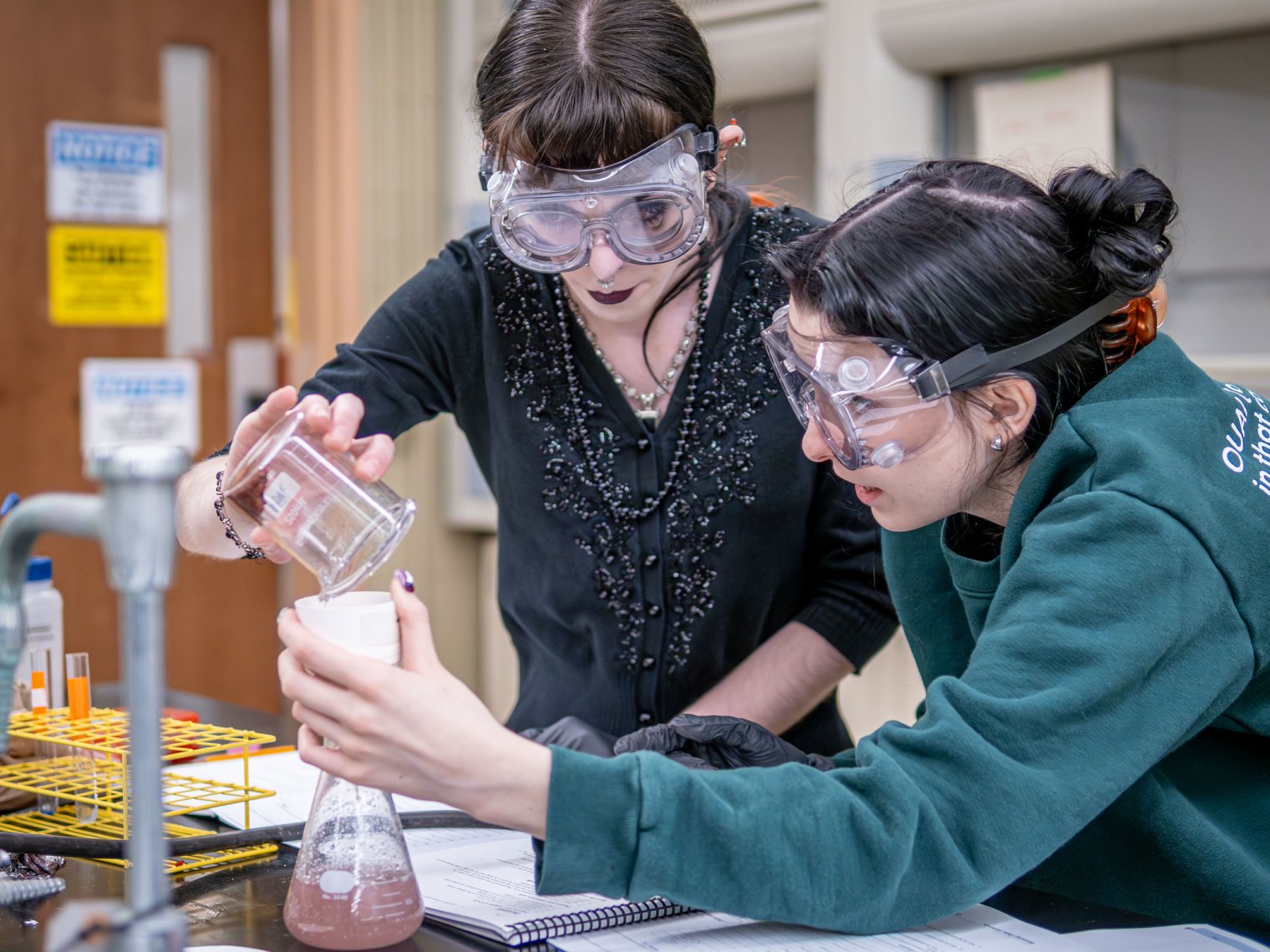


Students in Chem Lab 2025

Industrial Hygiene


What Is Industrial Hygiene (IH)?

Industrial hygiene is the science of identifying, evaluating and controlling workplace hazards such as chemicals, dusts, fumes, noise, vibration and extreme temperatures.

Why Is IH Important?

The educational and maintenance activities we conduct on campus can require the handling of chemical substances, use of dangerous power tools, and heavy lifting. IH requires that these workplace hazards are correctly assessed and exposure controls are used to reduce any potential harmful effects.

There are two critical components of IH:

  1. Hazard communication ensures employees are aware of the hazards employed with the hazardous substances and work they are exposed to.
  2. Workplace risk assessments help us understand the exposure levels faced by employees when performing their job. These risk assessments help us develop and implement proper work practices and procedures.

The introduction of new agents (chemical, physical and biological), or a change that involves agents that are already in use, must be evaluated by EHS. Proper controls can be integrated into the design stage to avoid bottlenecks and help ensure the smooth progress of projects.

What Should I Do?

  • Properly train employees to handle the chemical, physical and biological agents in their work areas, and ensure they follow the established safe work practices and procedures.
  • Provide employees with the appropriate personal protective equipment (PPE) and respirators required in training, and enforce PPE use.
  • Make sure that the necessary risk assessments for all chemical, biological and physical agents in the workplace are conducted, documented and communicated.
  • Take action when employees don’t use PPE or don’t comply with maintenance requirements.
  • Inform EHS of all changes in the handling of agents (new activity, new agent, or a change in process) as soon as the changes are being discussed.
  • Make sure hearing and respirator medical surveillance is conducted annually.

Policies & Procedures

Workplace and Construction Safety

Safety is a Full-Time Job.  Not a Part-Time Practice.

Workplace Safety

Employees are expected to report unsafe conditions and work practices immediately to their supervisor and follow departmental protocols.

The Division of University Facilities endeavors to provide and maintain a safe work environment that will ensure compliance with federal and state guidelines, policies, and standards.  

Each employee is expected to promote safe work practices, to participate in occupational health and safety training and/or educational programs, and to help maintain property and equipment in a safe operating condition.  

If an employee has questions about the safety of his or her work environment or whether precautions are necessary, he or she should contact his or her supervisor.  

Environmental Health and Safety (EHS) has developed a comprehensive workplace safety program involving hazard identification and assessment, education and training, and worker/employer participation.

  1. Hazard Identification and Assessment- EHS shall identify and evaluate hazards in order to prioritize them for control.
  2. Education and Training- All employees should understand University safety operations and how to execute the responsibilities assigned under safety programs.
  3. Worker/Employer Participation- Workers are encouraged to communicate openly with managers and supervisors and to report safety and health concerns or suggest improvements, without fear of retaliation.

What Is Machine Safety?

Montclair State University’s machine safety process is built around these seven standards:

  1. Compliance with the No Access policy – No employee will be able to come into contact with dangerous moving parts or condition during normal or abnormal situations.
  2. Lock Out/Tag Out – Prevention of exposure to inadvertent equipment or machine start-up and/or hazardous energy or materials.
  3. Elimination of operator bypassing of safety devices – Removal of fixed guarding or a safeguarding device is not allowed. Operators must be protected at all times.
  4. Fail to safe electrical wiring – High-risk (potential for death, amputation, severe fracture, etc.) machines shall have safety systems that have redundant and continuous monitoring characteristics.
  5. Locking interlock switches and braking devices for high inertia components – High inertia equipment continues to rotate for a period of time after power has been removed. Use of locking interlocks switches and/or braking devices are required to prevent contact until a full stop is verified.
  6. Safe behavior systems – Safe work methods reduce unacceptable work practices. The goal is to remove unsafe or unstructured methods from the workplace.
  7. Code of conduct enforcement – All employees must observe the standards that have been established in the Code of Conduct. The goal of the standard is not to blame, but to do what is necessary to eliminate unsafe acts.

Why Is Machine Safety Important?

Our ultimate goal is to provide a safe workplace for our employees. Regulatory requirements aside, employees have a responsibility to themselves and others to ensure equipment is safe to use before conducting any activity. Therefore, each employee is required to participate in injury prevention and awareness programs such as machine safety to heighten awareness of potential workplace hazards.

What Should I Do?

  • Ask EHS professionals how you can help maintain a machine safety culture.
  • Provide employees with documented, hands-on training of the safety features on the equipment they operate (guarding, lockout tagout, etc.).
  • Involve employees in the design phase of proposed machine guarding changes to equipment in their department.
  • Remind employees that bypassing or disabling a machine safety feature will result in disciplinary action or termination.
  • Remind employees that machine safety features must be inspected, and any feature that is not working properly must be reported immediately.

What Is Ergonomics?

Ergonomics is fitting the job to the person rather than fitting the person to the job. We have ergonomic risks throughout our locations including machine shop, vehicle service shop, labs, and offices. Ergonomics is one of the major risks in our risk profile. Our ergonomics cases vary from a minor body pain or discomfort to surgical procedures (back, wrist, etc.).

Early reporting is critical in reducing ergonomic incidents and in decreasing the health risks employed with prolonged exposure.

Why Is Ergonomics Important?

An ergonomically correct workplace is one in which people work in a safe, healthy, comfortable and productive manner. It supports our employees’ health and our bottom line.

What Should I Do?

  • Review the EJA with your EHS professionals.
  • Know the ergonomic risks in your area of responsibility.
  • Provide funding for ergonomic improvements and follow up their implementation.
  • Support employee pauses and breaks throughout the day.
  • Encourage early reporting.
  • Observe employees for signs of ergonomic related stress.

Montclair State Ergonomic Program

Montclair State University’s Ergonomic Program was created to provide the means for university employees to be educated on the effects of ergonomics in their work space and, if necessary, be evaluated to identify any risk factors that are leading or could lead to injuries.

Evaluations

To request an ergonomic evaluation, please submit an Ergonomic Evaluation Request Form (PDF) to ergo@montclair.edu.

NOTE: Before submitting an ergonomic evaluation request please read the ergonomic guidelines in their entirety. The work station and task recommendations should be implemented and followed for at least 2 weeks before submitting an Ergonomic Evaluation Request Form. If discomfort persists after the 2 week period, please submit your form to ergo@montclair.edu.

Resources

What Is Incident Investigation?

Incident investigation involves two steps:

  1. Identify, without placing blame, the potential root causes of an incident.
  2. Identify and develop corrective action plans to prevent recurrence.

Supervisors and Managers are generally the best people to conduct an investigation because they have the greatest knowledge of the work environment, equipment, personnel and work practices. Investigators may also call upon engineers, mechanics, safety committee members, EHS professionals, etc. for more specialized knowledge and assistance.

All incidents should be investigated regardless of the result or outcome of the incident. However, the depth of the investigation will depend on the seriousness of the case.

  • Serious Injury/Illness – death, amputation, fracture, inpatient hospitalization
  • Lost Work Day Case (LWDC) – any occupational injury or illness that results in an employee’s inability to return to work for the next scheduled shift
  • Montclair State University Recordable Case – cases involving medical treatment, loss of consciousness, restricted work or motion, or transfer to another job
  • First Aid Case – cases with minor consequences requiring one-time treatment
  • Property Damage – varies depending on individual company policy
  • Near miss – potential for serious injury/illness and/or property

Why Is Incident Investigation Important?

Regulators have very strict notification requirements for serious injuries, illnesses, and fatalities. Proper incident investigation and reporting not only keeps the organization in compliance, it also makes the organization safer by helping to lower risks and prevent future reoccurrence.

What Should I Do?

  • Train all supervisors and leaders on incident investigation.
  • Make sure all your cases are reviewed and approved by EHS professionals
  • Follow-up and hold people accountable for corrective actions.
  • Share lessons learned with other areas that could benefit from your experience.
  • Provide appropriate resources so the site can perform effective incident investigations and reporting.

Montclair State University requires that all work-related injuries must be reported to the Human Resources Office of Employee Benefits within 48 hours.

Work-Related Injury Information

Workplace Safety Rules, Policies, and Safety Procedures, Roles, and Responsibilities.

Safety Policies

Construction Safety

Construction is a high-hazard industry that comprises a wide range of activities involving construction, alteration, and /or repair.  Examples include residential construction, roadway paving, excavations, demolitions, and  large-scale painting jobs.  Construction workers engage in many activities that may expose them to serious hazards, such as falling from rooftops, unguarded machinery, being struck by heavy construction equipment, electrocutions, silica dust, and asbestos. (OSHA.gov)

Montclair State University contractors are required to comply with all state and federal workplace safety requirements, and to adhere to all requirements as specified in University contract Terms and Conditions.  Environmental Health and Safety will ensure that Contractors receive an overview of University health and safety programs and expectations.

What is Contractor Safety Management?

Contractor Safety Management identifies and controls the risk employed with work tasks or projects when using contractors. The types of contractors and work subject to Contractor Safety Management includes, for example:

  • Building, Grounds, Maintenance: installation and maintenance of heating/air conditioning, plumbing and electrical systems, landscaping and grounds work
  • Administrative and Technical Service: housekeeping/janitorial duties, food service, premises security, information management, process control design and service, engineering design, and equipment and software calibration
  • Construction Project Services: formally defined projects for the construction of new facilities or the renovation or remodeling of existing facilities
  • Temporary employees under the direct supervision of Montclair State University management

Why Is Contractor Safety Management Important?

Work performed by contractors often includes some degree of risk. Risk that threatens the environment, health or safety of Montclair State University employees, or that may damage property must be identified, assessed and controlled. Contractor Safety Management defines risk, control and responsibility.

What Should I Do?

  • Apply Contractor Safety Management while selecting contractors. Note: A contractor can only bid on the full scope of a project if all requirements are defined up front; Contractor Safety Management helps avoid surprises.
  • Define project requirements at the beginning (PPE, site procedures, etc.).
  • Work with EHS when contract work will expose the site to new, unusual or non-routine tasks and risks.
  • Create accountability for maintaining a compliant workplace with all contract employees.
  • Provide contractors a site orientation to work rules, expectations, etc. to all contractors.
  • In line with the above, assess and ensure contractor compliance with the Montclair State University Contractor Management Procedure

University Facilities is committed to providing our staff with access to development, technical, and safety training.

Training and Development

EHS Resources

Important EHS Information

Event Support Forms

University Design Standards

Environmental Health and Safety Forms

Fire Safety Documents

Facilities Forms for UF Employees

Facilities Learning and Development Forms

Facilities Technology Links (Access Requires a Valid Montclair State NetID)

Occupational Health


Montclair State University employees can take advantage of the following services we currently offer:

  • Medical Surveillance: Part of the Occupational Health Program (OHP) pertains to job hazard management to prevent occupational injuries or diseases.
  • Animal Research Clearance: Employees and students working with animals (whether in our animal facilities on campus or in the field) must complete a health screening to obtain clearance to work in these environments and reassessed annually.
  • Respirator Clearance Exams: Employees who are required to wear respirators during certain work tasks must secure a respirator clearance which consists of a respirator clearance questionnaire, fit test and, in certain cases, a spirometry test.
  • Work-Related Travel Health: We provide advice and counsel to employees traveling for work, including recommended immunizations.

Patient Forms