Teaching Resources for Pedagogical Strategies that Support Learning
The learning environment is essential to creating an inclusive course that values the individuality of each student and allows for transformative learning; it is the “intellectual, social, emotional, and physical environments in which our students learn” (Ambrose). Student participation strongly depends on feeling included and respected and understood as having varied lived experiences.
Supporting learning involves intentional choices about how we engage students and respond to their learning needs and experiences they bring to the classroom. The pedagogical approaches highlighted here can help faculty foster engagement, encourage critical thinking, strengthen connections among learners, and support students as they navigate academic challenges. The resources below offer evidence-informed strategies that faculty can adapt to their disciplines, teaching contexts, and instructional goals.

Teaching Resources for Faculty
Strong Student Campaign: Information for Faculty
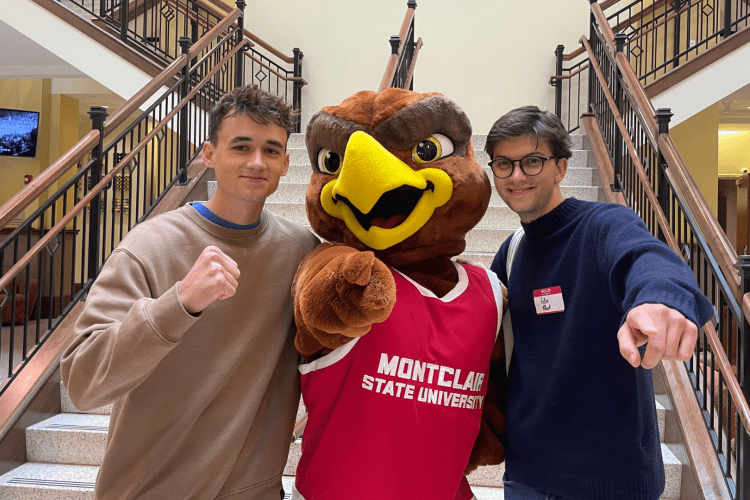
All Red Hawks can be strong students. Faculty and staff from across the university have developed a campaign to raise awareness of the behaviors and actions that strong students develop and implement regularly. This campaign makes explicit what it takes to become strong – it’s small, simple acts that, in total, lead to success.

Connect With Your Students
Students thrive in college environments that emphasize close relationships and frequent interaction between faculty and students as well as faculty concern about student growth and development.
Strategies for Building Community
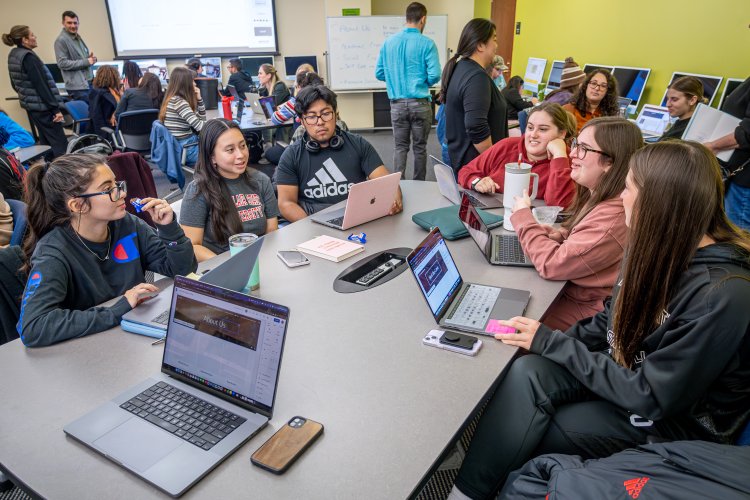
A variety of strategies and activities can be used throughout the semester to allow students to get to know one another. Icebreakers allow students to see connections with other students. Student communication groups promote relationships among students. Student annotations of the course syllabus and development of community agreements allow students to know that they are an important part of your classroom community. Content-based activities allow students to share ideas about course concepts or materials in a formal or informal way.
Active and Engaged Learning
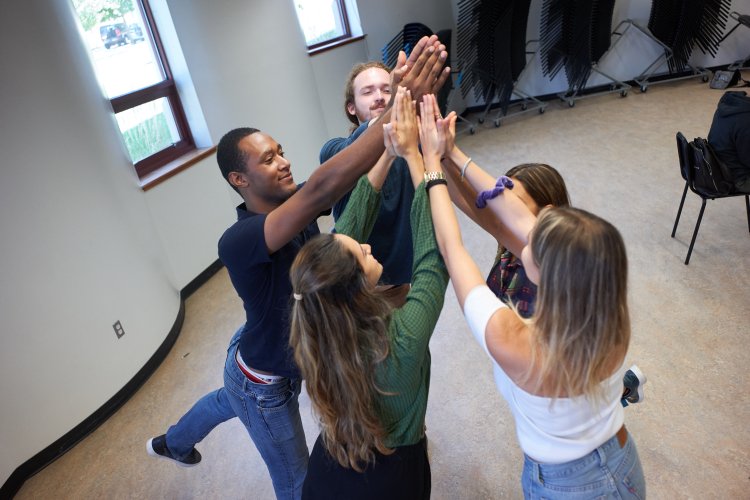
Active learning is not always outwardly visible. Some highly experienced learners can remain deeply engaged during a lecture and demonstrate that engagement later through sophisticated analysis and strong academic work. Many students, however, benefit from instructional approaches that make engagement more explicit by inviting them to discuss, apply, reflect on, and interact with course material during class.
Collaborative Learning: Groups and Teams
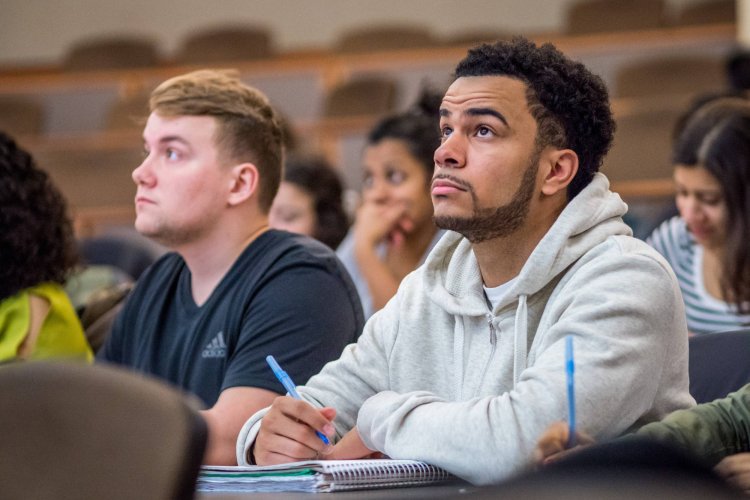
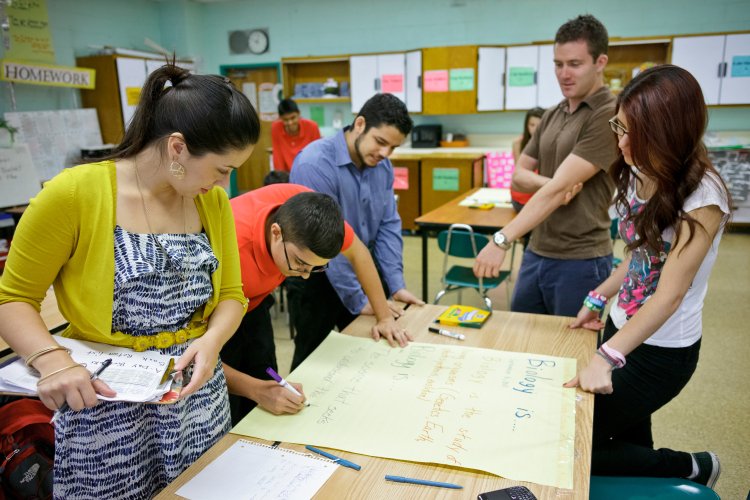
Collaborative learning, whether peer-to-peer or in larger groups, allows students to engage actively together in the course’s work while also developing teamwork skills that have real-world applications.
Adaptive Learning
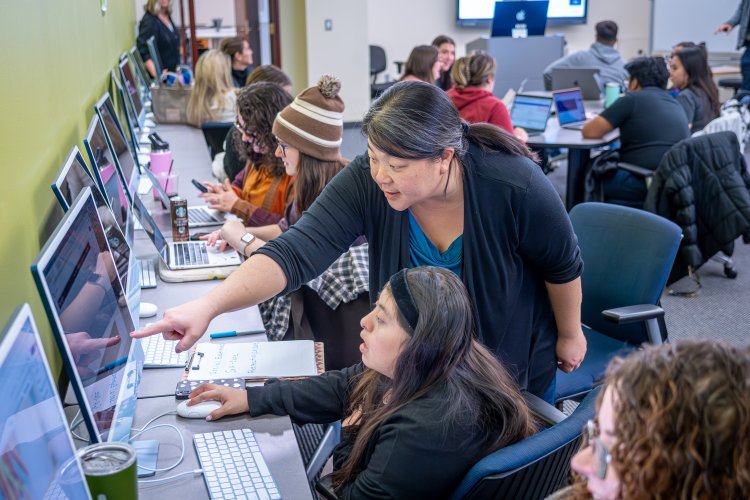
Adaptive learning is part of interactive learning which addresses the needs of individuals through learning pathways, effective feedback, and supplemental resources; as opposed to an one-size-fits-all curriculum. Technology advancement makes adaptive learning easier to implement.
Critical Thinking
Critical thinking is the ability to thoughtfully examine ideas, experiences, and problems using reasoned inquiry and evidence-based judgment. By applying the habits and skills of logical analysis to evaluate information, consider multiple perspectives, and arrive at well-supported conclusions, students develop capacities that are essential not only for academic success but also for professional practice and informed engagement with the world around them.

Effective Lectures
Lecture has become an unpopular word as it connotes the idea of “the sage on the stage” who does not interact with students or explicitly guide students to deep learning. However, there is a place for lectures in many university courses, and a good lecture is a fantastic avenue for deep learning. The problem is that many of us have yet to figure out how to make lectures powerful learning experiences.
Contemplative Pedagogy
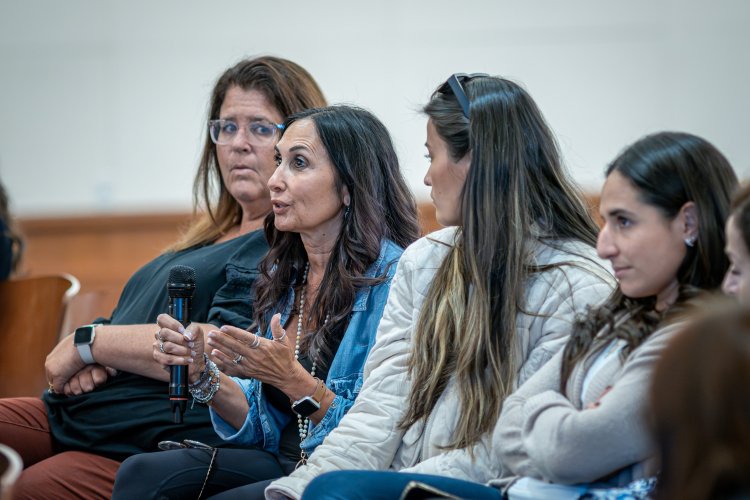
Contemplative pedagogy incorporates practices that cultivate attention, reflection, and deeper awareness as complements to traditional analytical approaches to learning. Through techniques such as journaling, guided reflection, dialogue, and moments of intentional pause, faculty can help students develop focus, insight, and presence in an increasingly distracted world.

Trauma-Informed Pedagogy
Trauma-informed pedagogy recognizes that we and our students have past and present experiences that may negatively affect both teaching and learning.
Foster Belonging
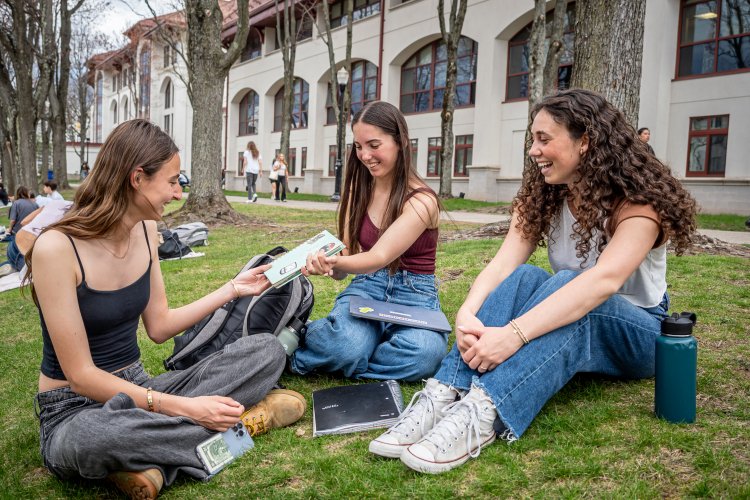
Students who experience a sense of belonging are more likely to be engaged, persist through challenges, and achieve academic success. Faculty can strengthen students' connection to the university through intentional practices that cultivate supportive relationships, communicate care, and affirm students' place within the learning community.

"Warming Up" Your Syllabus
Warm early communications begin the process of fostering belonging and supporting student success.

Supporting Mental Health
Faculty can play an important role in students’ mental health. Montclair State University faculty are in a unique position to identify students who may need counseling. Because of your frequent contact with students, you are able to observe changes in their behavior that may indicate emotional distress.
Teaching Freshman Classes
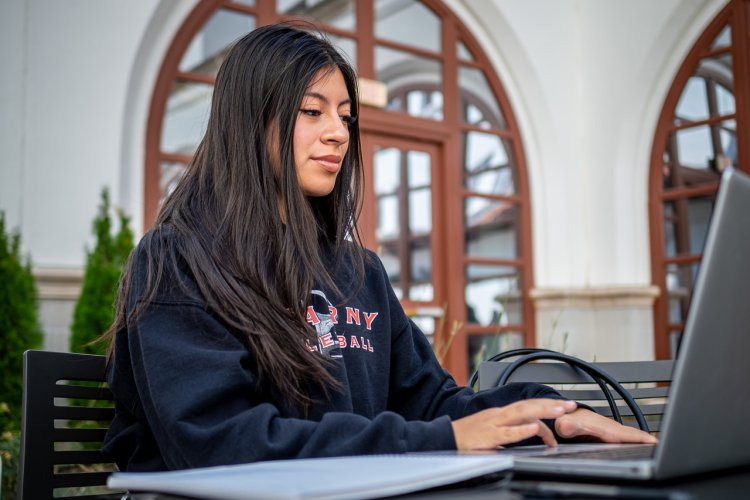
Addressing the unique needs of first-year students aids in facilitating their smooth and effective transition to satisfying the expectations and rigor of a higher education curriculum.