Teaching Resources for Inclusivity and Diversity
Develop and teach courses through inclusion of content from multiple perspectives, considering diversity in all its forms, as understanding diverse experiences is critical for all students’ deep learning.
As you develop and revise your courses, consider how course materials, examples, case studies, and classroom discussions shape students' engagement with the discipline. The resources below offer practical strategies for broadening the perspectives represented in your courses, facilitating meaningful dialogue, and reflecting on pedagogical choices that support student learning.
Teaching Resources for Faculty
Cognitive Bias
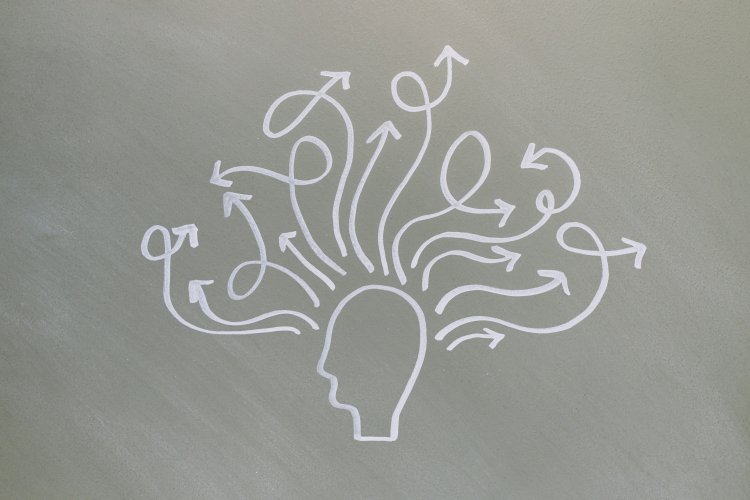
Even experienced instructors may sometimes be influenced by cognitive biases that can shape classroom expectations, interactions, and decisions in subtle ways. The resources below explore the research on implicit bias and offer evidence-informed approaches to increasing self-awareness and adopting teaching practices that help mitigate its effects.
Cultivating Student Success
Creating learning environments where students can thrive requires thoughtful attention to the diversity of students' experiences, the equity of learning opportunities, the inclusivity of classroom practices, and students' sense of belonging. This page provides practical approaches for incorporating them into teaching.

Incorporating Varied Perspectives in Course Materials
The materials, examples, and perspectives included in a course shape how students understand a discipline and their place within it. This page offers strategies for evaluating and strengthening course content to reflect the breadth of scholarship, experiences, and viewpoints that contribute to meaningful learning.

Using Protocols To Deepen Conversation And Raise Intellectual Engagement
Conversations about equity and other complex or controversial topics can enrich learning while also presenting unique pedagogical challenges. This page offers practical strategies and discussion protocols to help faculty prepare for, facilitate, and reflect on these conversations in ways that support thoughtful dialogue and student learning.