
Global Studies Careers
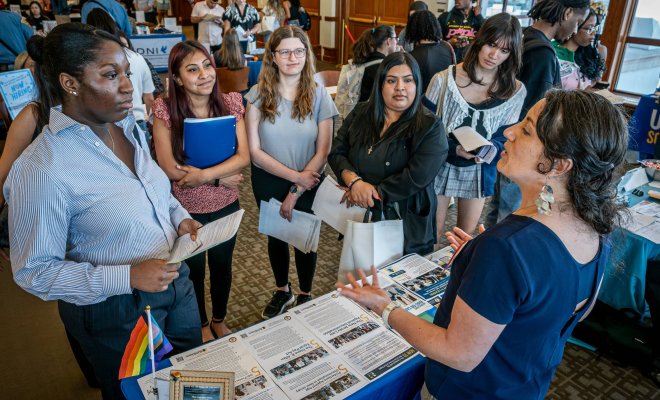
What can I do with a BA in one of the World Languages and Cultures programs?
The National Association of Colleges and Employers (NACE) lists competencies such as communication, teamwork, cultural understanding, and leadership as important elements in preparing for a career. Learning languages and gaining familiarity with the communities that speak them will help you advance along this path.
Alumni have also recommended mastering specific tools, most of which are free to the University community:
Excel and other spreadsheet or database programs
PowerPoint or Google Slides
Document creation programs such as Canva or Adobe Express and Photoshop
Survey software such as Google Forms or Qualtrics
Presentation and recording software and their use of subtitling and captions (Zoom, Panopto, YouTube, Microsoft Teams, etc.). Practice your speaking skills in your language whenever you can.
Project Management experience and/or experience with PM software like Smartsheet, Asana or Monday.
Increase and measure your language proficiency! Ask your advisor about commonly recognized certificates in your language and whether they are free to you (OPI, Seal of Biliteracy, and others).
Depending on your field of interest, there are other more specialized training courses and certificates available through companies like Coursera (look for the “free” options)
Above all, alumni suggest reaching out to Career Services from the beginning of your time at college and attending a free online resume workshop in your first year. That way you can start thinking early about how to construct your resume and about the kinds of experiences you want to acquire in college in order to perform the kinds of jobs that interest you.
Not sure what kinds of jobs using language interest you? Check out our Career Calculator or our alumni “Languages on the Job” videos for some ideas of what our students have done just after graduation. One of the easiest ways to imagine your own career path is to see what other people are doing and ask them how they got there!
What do multilingual Montclair alumni say about career pathways?
When surveyed in 2024, Montclair alumni agreed with NACE while adding specific tips for language learners:

Make friends!
Practice your language or languages with everyone you can, including AI chatbots. This helps you elevate your language skills to a professional level and builds networks for later in life. The Montclair community speaks more than 50 languages!

Gain professional experience.
Handshake posts opportunities for federal “work study,” internships, volunteer and community activities. Need more flexibility? Try the United Nations online volunteer program.

Study abroad
Make the use of social media, movies, online chat groups, and other online resources to learn vocabulary in your professional field of interest. Ask your instructors how to bring your language to a professional level.
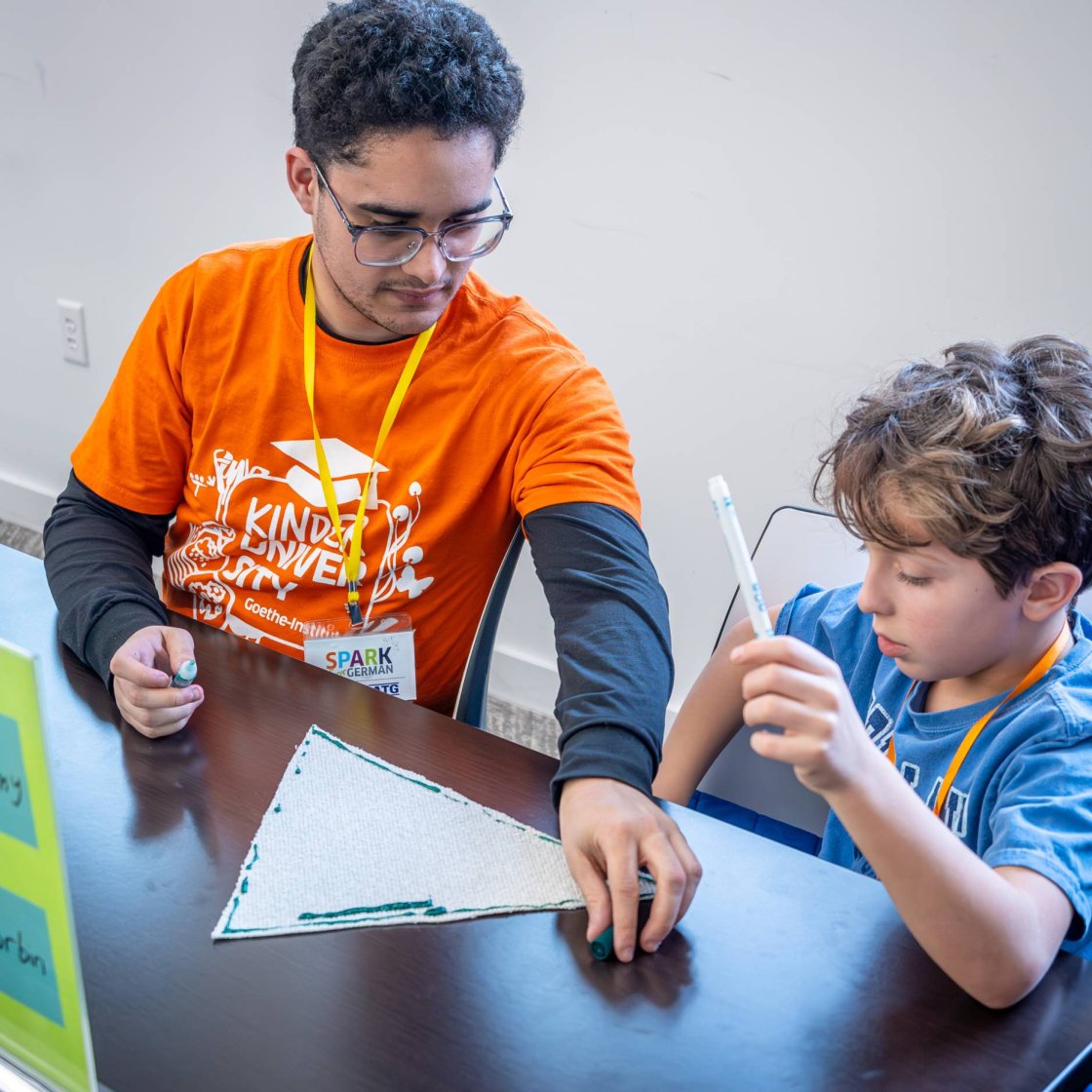
Apply your language skills.
Many professors are flexible and will help you apply your language skills to projects in other classes (translation, bilingual presentations, community outreach, and more). Be creative and highlight this work in your next cover letter!

Use Engage!
Find clubs and sign up for activities outside your comfort zone to develop a wide range of experiences and tools. Clubs offer opportunities for leadership positions, faculty collaboration, and community engagement.
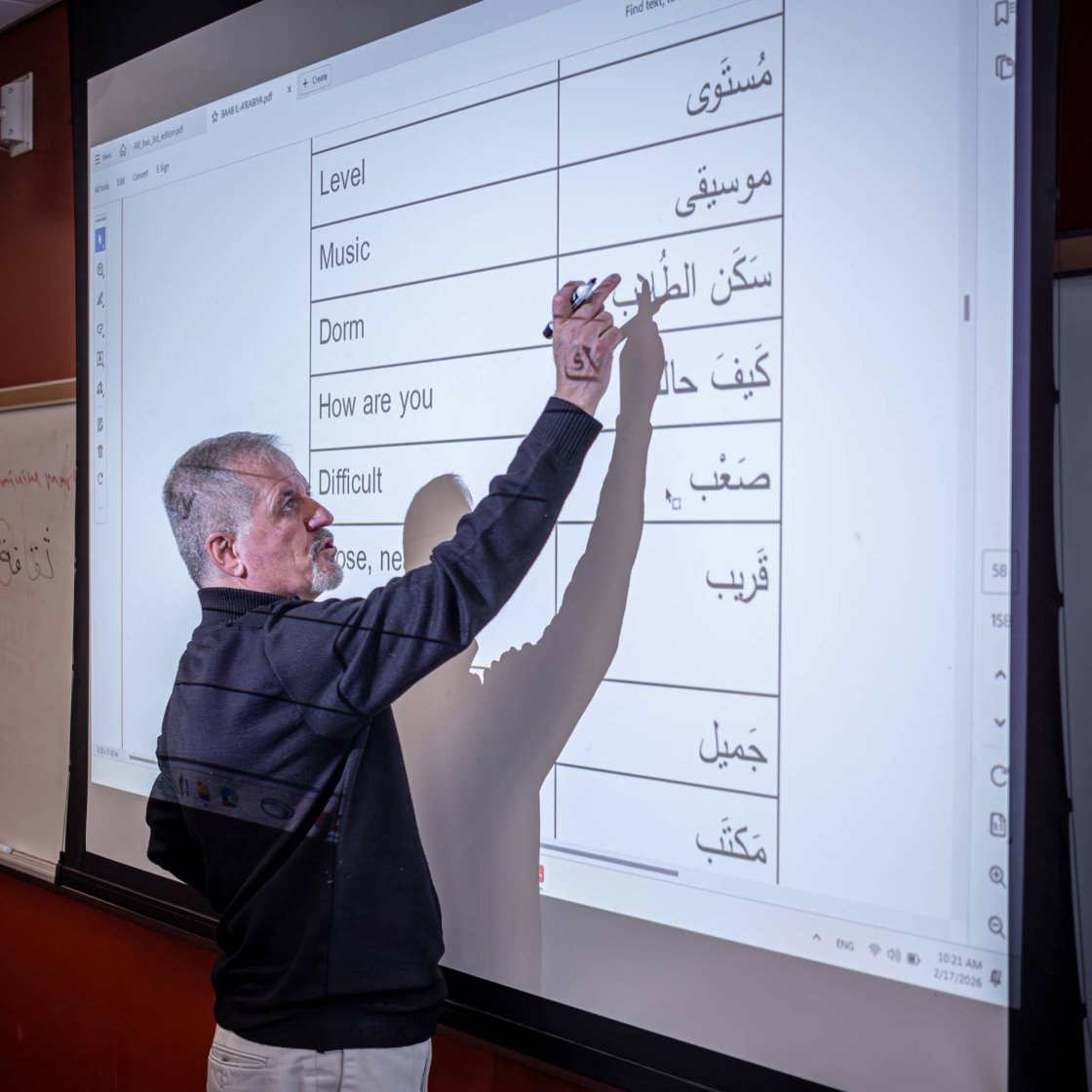
Take 200- and 300-level language courses
Bring your language to the level you could use in a job (answering phones, making a presentation or video, drafting reports, writing messages)! Enroll in free workshops or groups where your language is spoken.

Attend events
Hear speakers in the fields that interest you. They are often willing to share their experiences, introduce you to others, and provide helpful tips.
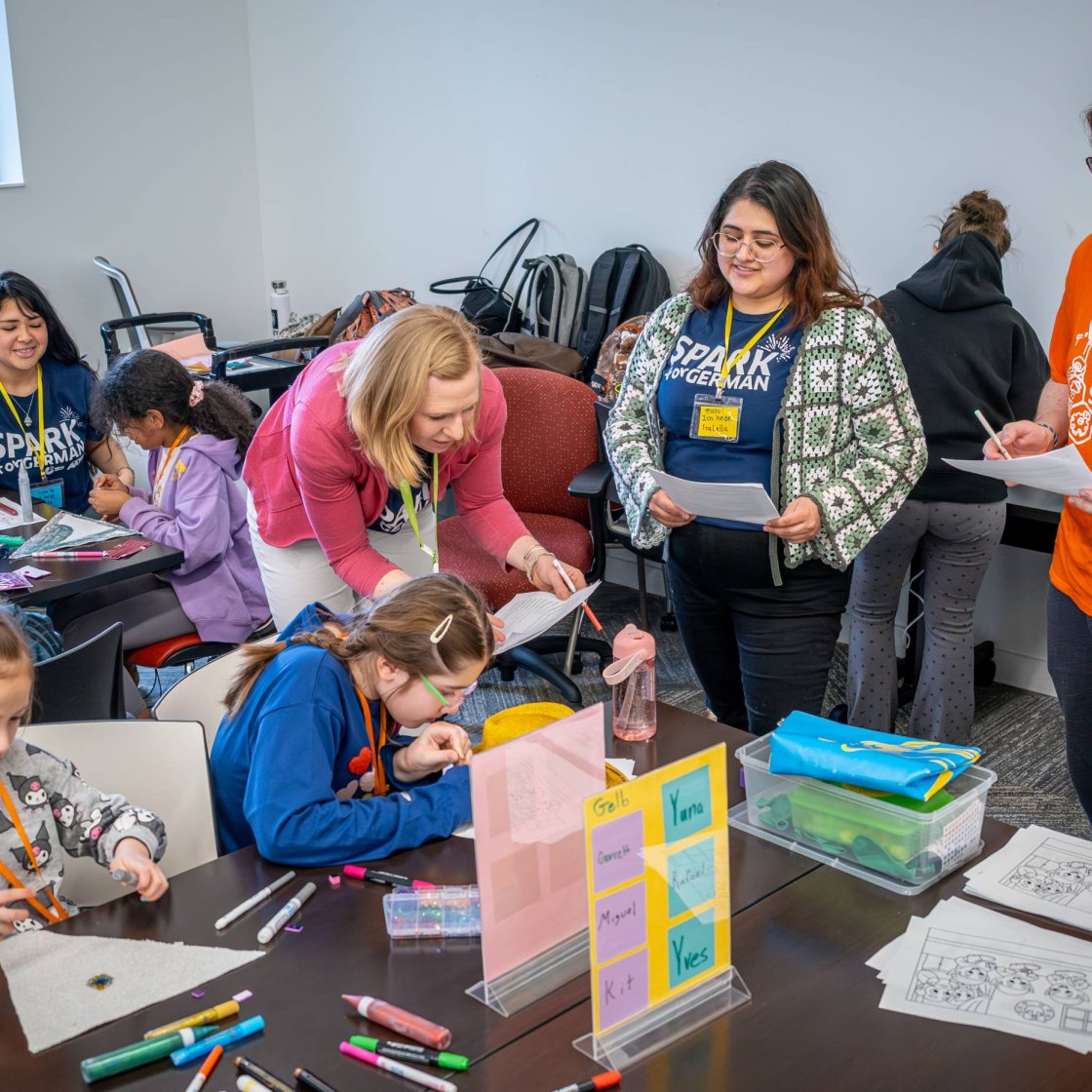
Gain experience!
Work on projects with people with different skill sets, beliefs, and customs than your own.

Chat with professors and advisors!
Don’t be shy about asking for help: everyone wants students to succeed.