The Global Cultural Studies Department offers a Korean language minor and an Asian Languages and Cultures major with a concentration in Korean. The Korean Program offers language courses at all levels, as well as courses on K-pop and popular culture and daily life in Korea. These courses enable students to achieve proficiency in reading, writing and speaking Korean and to acquire a fundamental knowledge of Korean culture. Students will be equipped with the necessary language skills and cultural understanding to further their studies or achieve their Asia-related career goals.

Our Korean courses also count towards the Asian Studies Minor and the Asian Languages Minor.
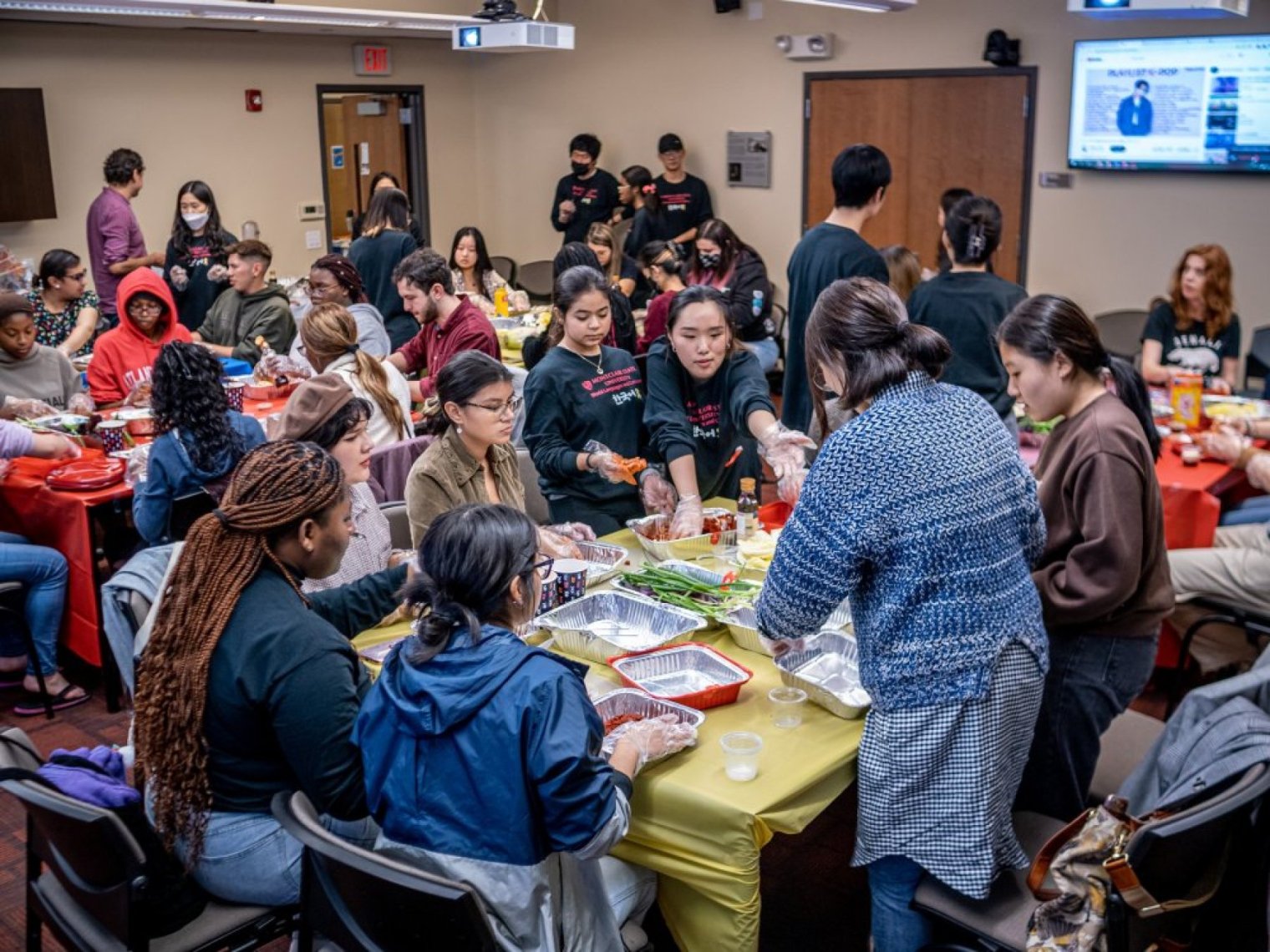
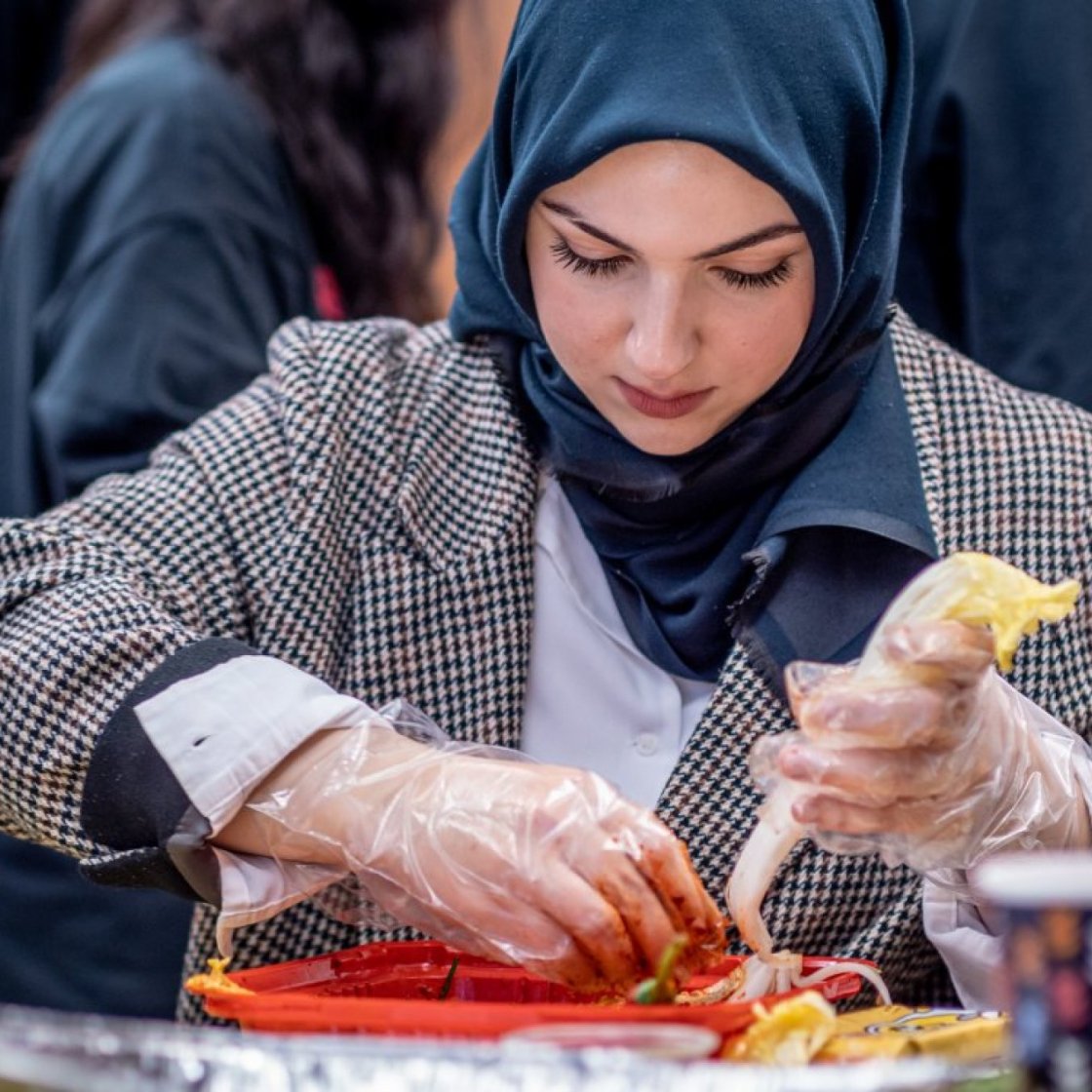
A woman fills serving trays with kimchi as a gorup of college students sit around the table and watch
A woman rubs a cabbage leaf into a bowl of red spice mixture

Student Life

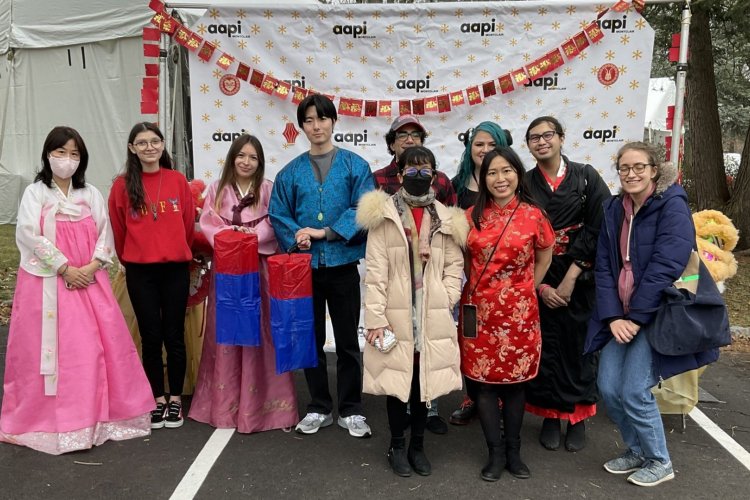
The Korean program organizes a variety of fun and exciting cultural activities, such as kimchi workshops, Korean Day, the Chuseok celebration, and the Seollal Lunar New Year celebration, field trips to Korean restaurants and Koreatown in NYC, etc. The Korean Culture and Language Association provides a variety of opportunities for students to participate in cultural events.
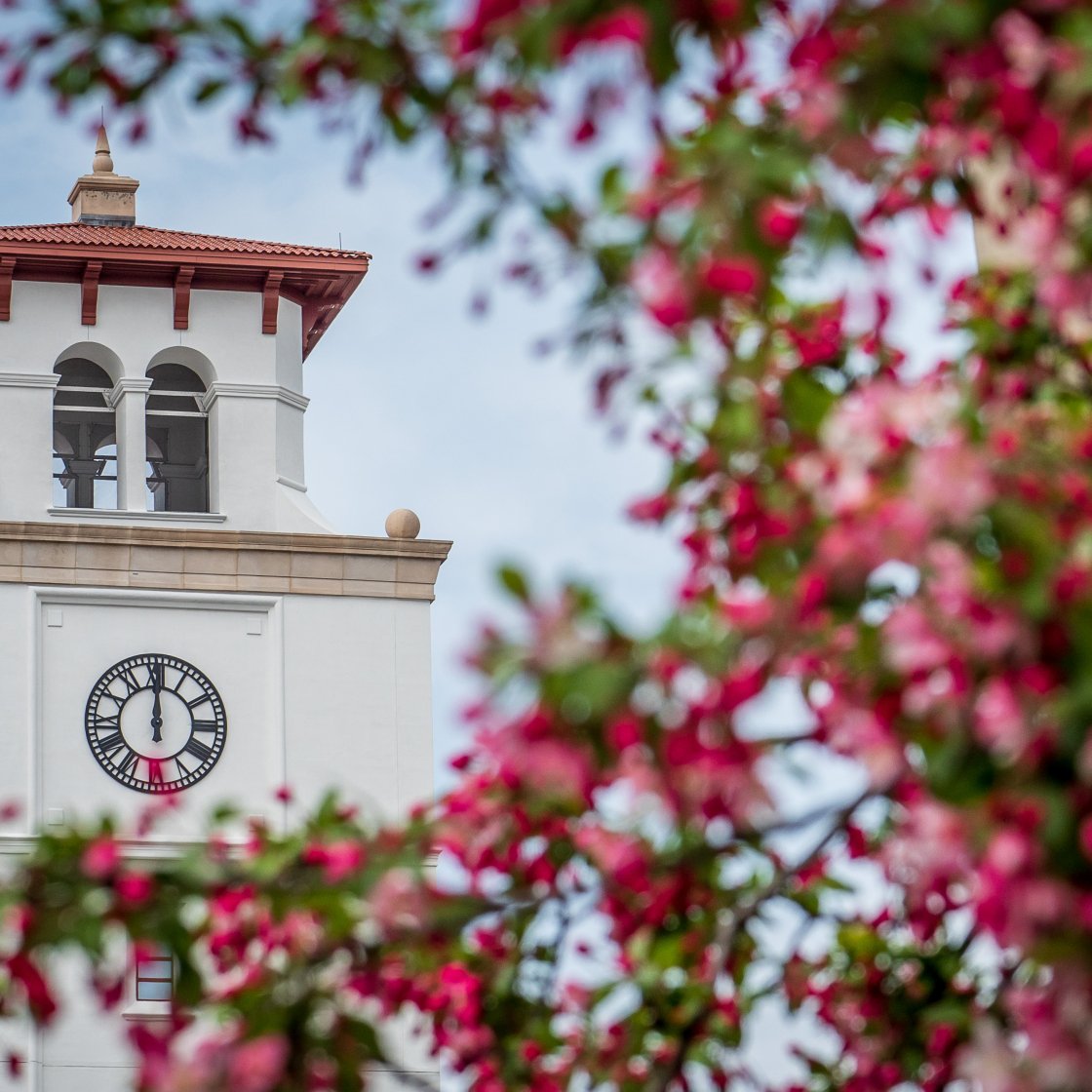
University Hall clock tower with spring blossoms in front

Community Service and Experiential Learning

The Korean Program is committed to promoting diversity to the community and providing experiential learning. We engage community members by providing cultural activities at various occasions during which students learn through serving and doing. For example, we celebrated the Lunar New Year with the local community and read stories in Korean and English to children at Montclair Public Library.  

What Jobs Can I Get with Korean Language Skills?

Korean language proficiency opens the door to many opportunities. Below are some examples of employers that value foreign language degree holders.

International corporations and companies that maintain connections with South Korea need employees with Korean language skills.

The government is always seeking new talent in foreign language and diplomacy. The Korean language is “essential to America’s engagement with the world” (Critical Language Scholarship Program). Language students can also pursue careers in Security, Intelligence, Immigration, Law Enforcement, Customs and Borders, and Journalism.

Korean language proficiency is needed for those wishing to become a Korean language educator and help prepare students to compete in a global economy. It is also possible to pursue a teaching career in South Korea.

Successful travel and tourism businesses in the USA and in South Korea need people who can connect and relate with tourists on a more personal level. Korean language skills open many doors in the hospitality industry.

Translators and interpreters can get jobs translating legal, medical, or literary documents, and even making movie subtitles. Social work is another area that needs foreign language skills.

Professionals with a foreign language and culture background can contribute to research in the Social Sciences, which often requires the ability to interpret cultural-based data. Those pursuing graduate degrees in various areas also find it helpful to be able to read and communicate in multiple languages when conducting research.

In the News

Our Faculty

Don Bai

  • Adjunct Professor
  • Adjunct Professor
1/