
Japanese Resources
ようこそ! Welcome! Established in 1998, the Japanese Program offers language courses at all levels, including reading and conversation courses that help students develop proficiency in reading, writing and speaking Japanese while gaining a deeper understanding of Japanese culture. The program is supported by an active community of faculty and students and complemented by opportunities for cultural engagement through the Japanese Language Circle, Japan Club and study abroad programs. Together, these experiences foster linguistic proficiency, intercultural understanding and meaningful engagement with Japan and its global communities.
The Japanese Program offers language courses at all levels, as well as reading and conversation courses. These courses enable students to achieve proficiency in reading, writing and speaking Japanese and to acquire a fundamental knowledge of Japanese culture. Upon completing major requirements, students will be equipped with the necessary language skills and cultural understanding to further their studies or achieve their Asia-related career goals.
Our Programs
We offer our students an Asian Languages and Cultures major with a concentration in Japanese and a Japanese language minor. Japanese courses also count towards the Asian Studies Minor and the Asian Languages Minor.
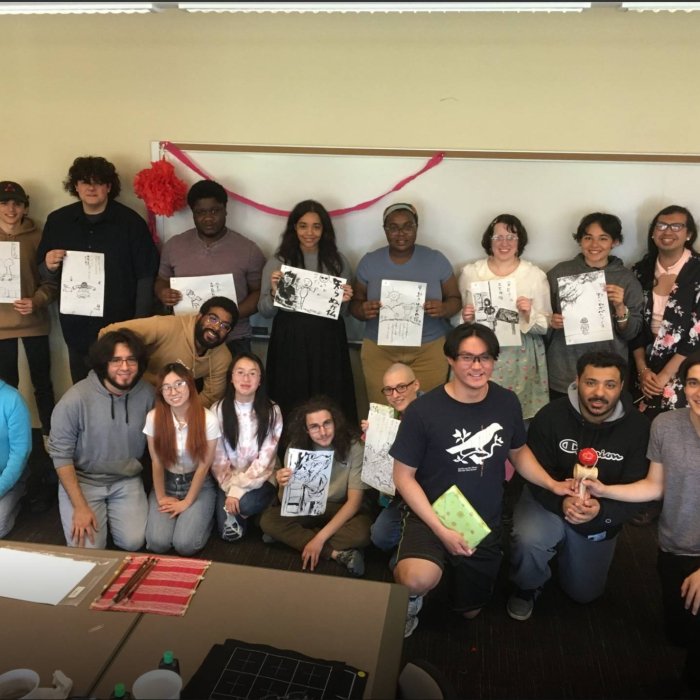
Japanese Language Circle
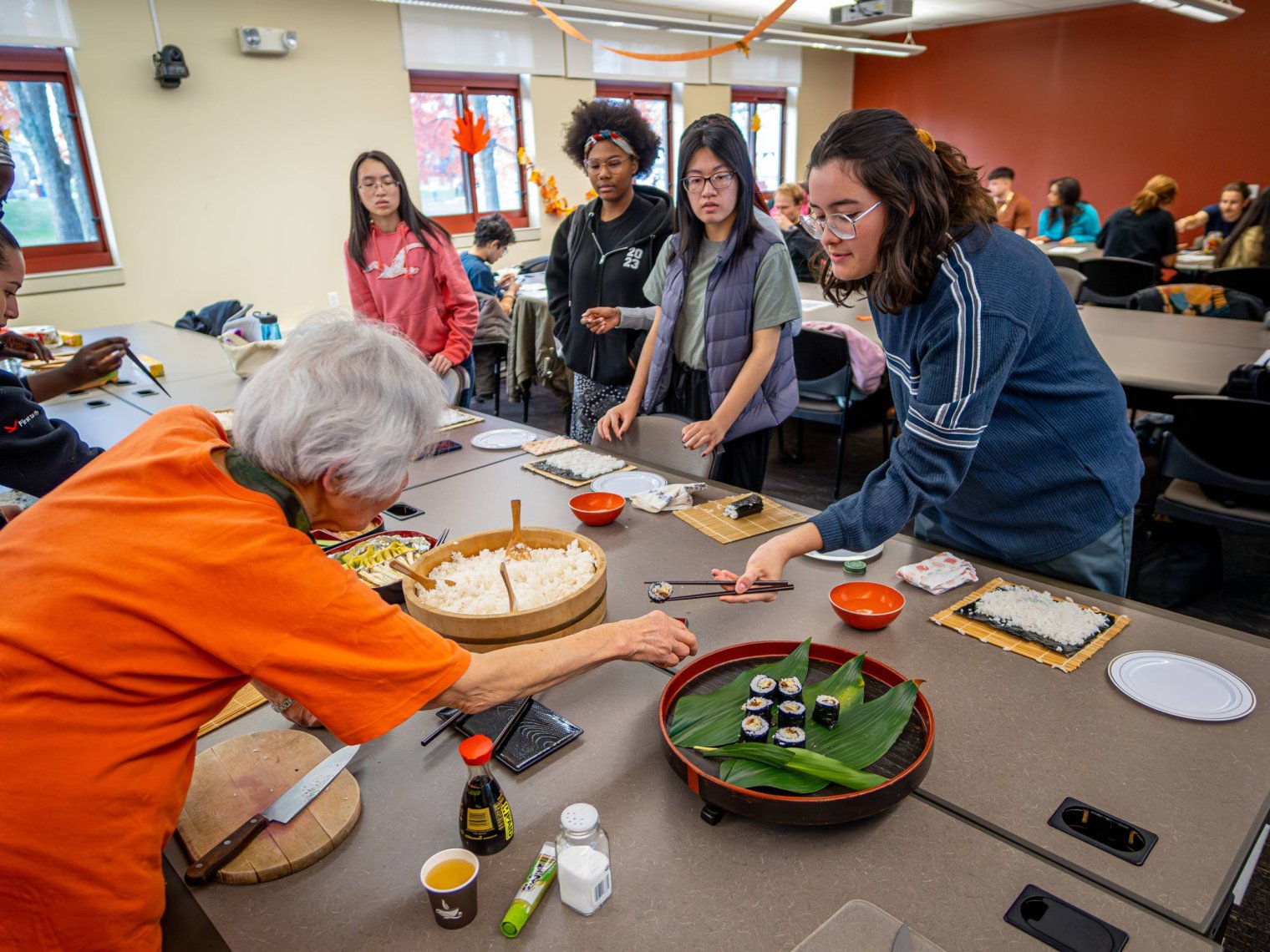
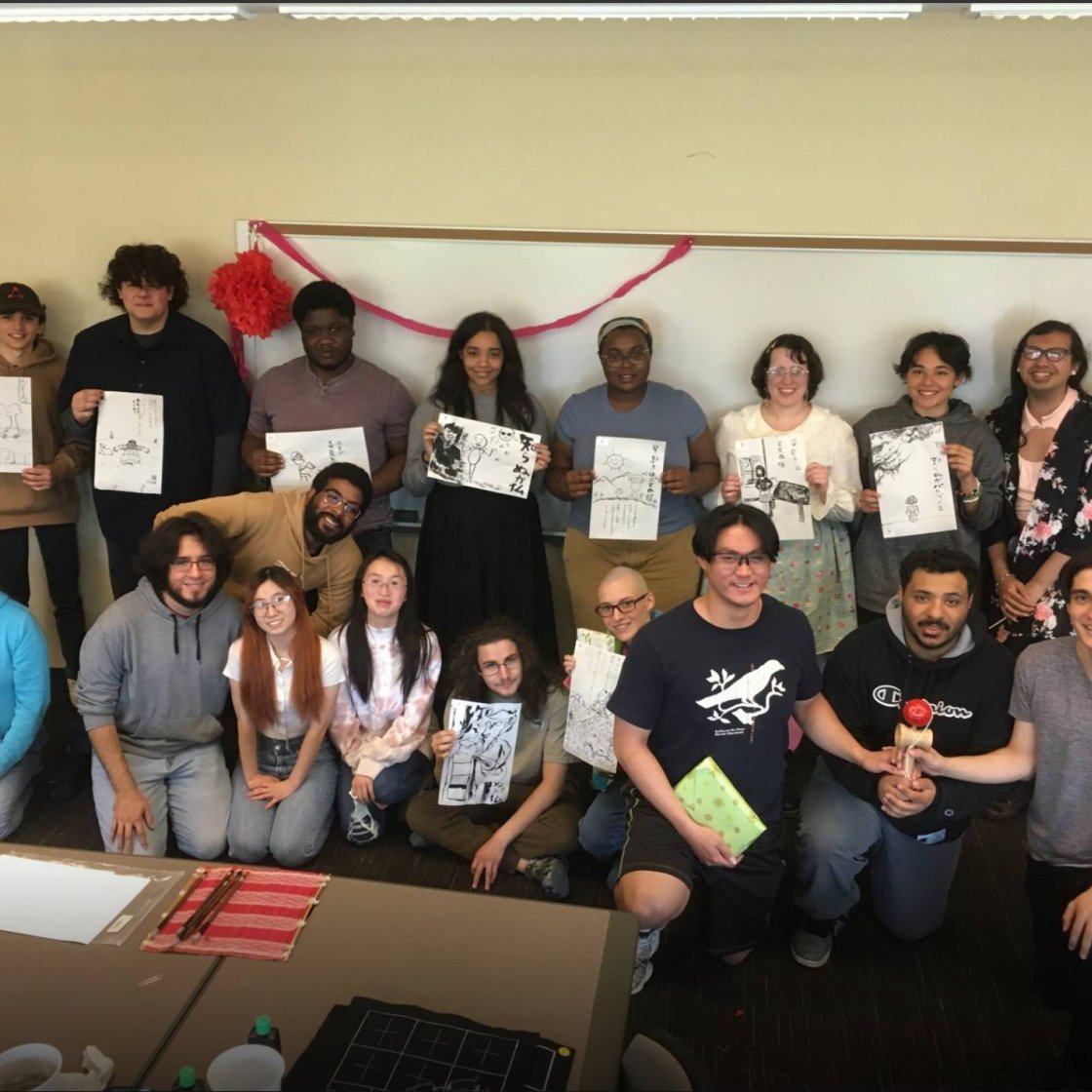
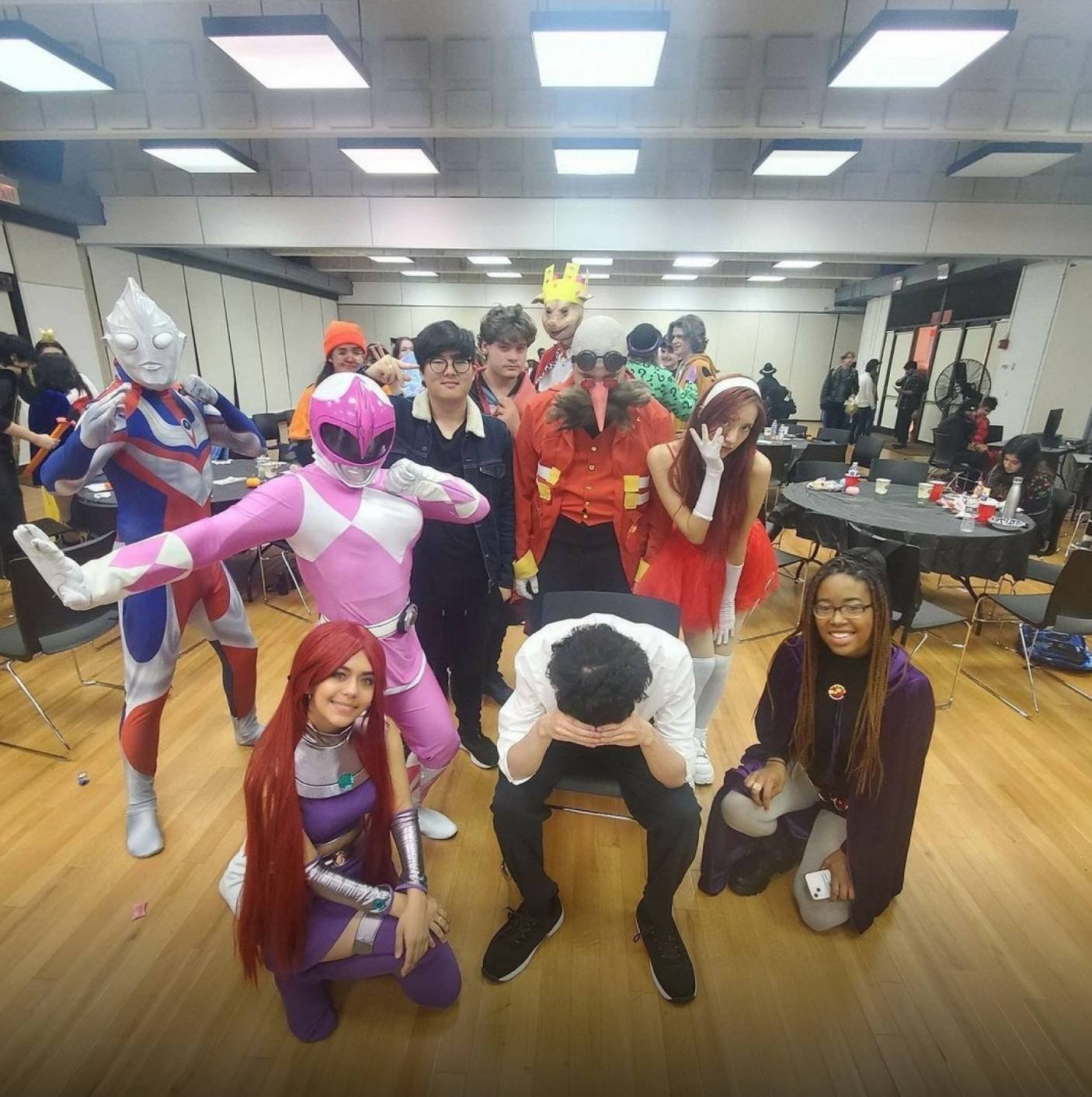
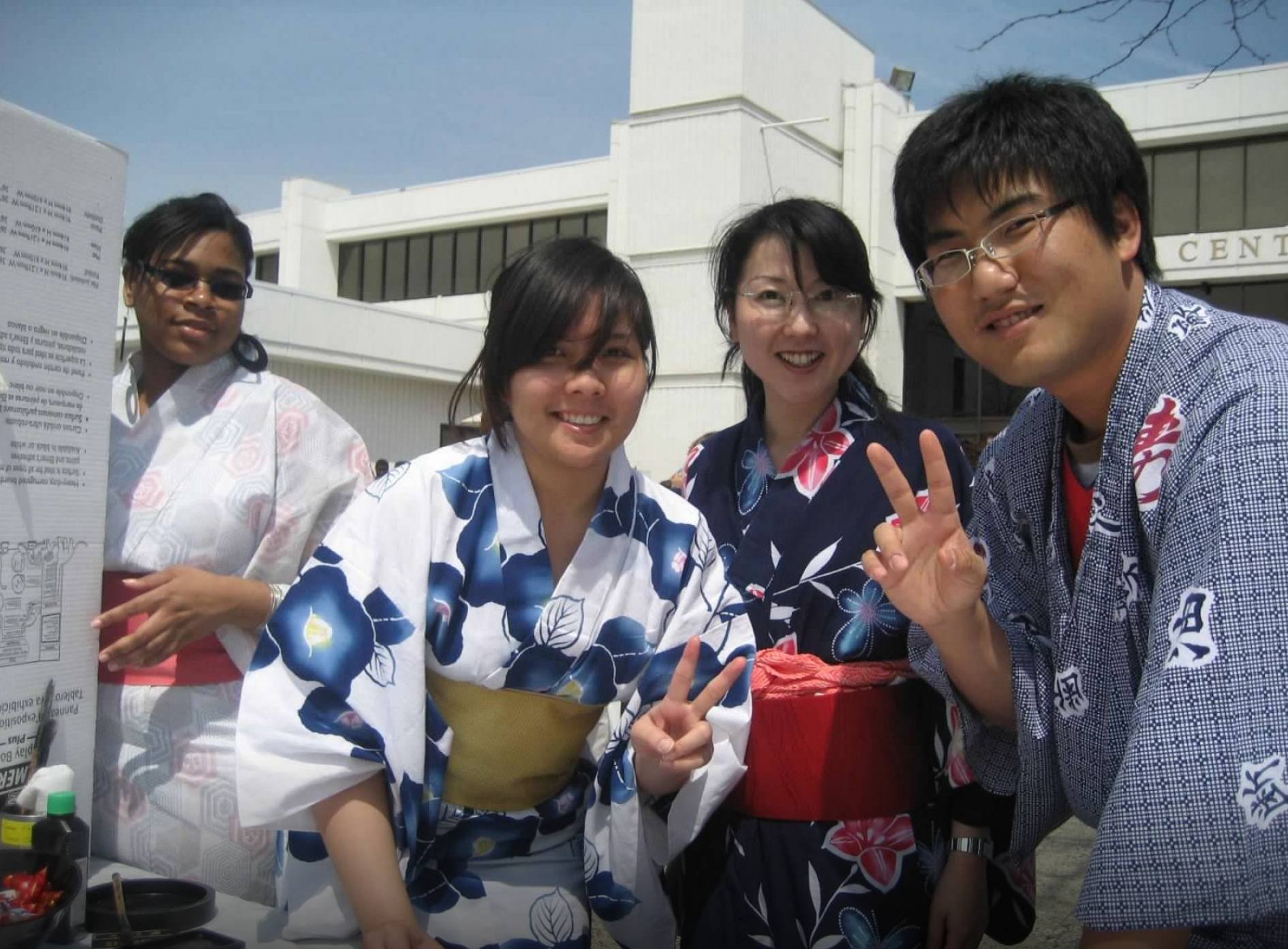
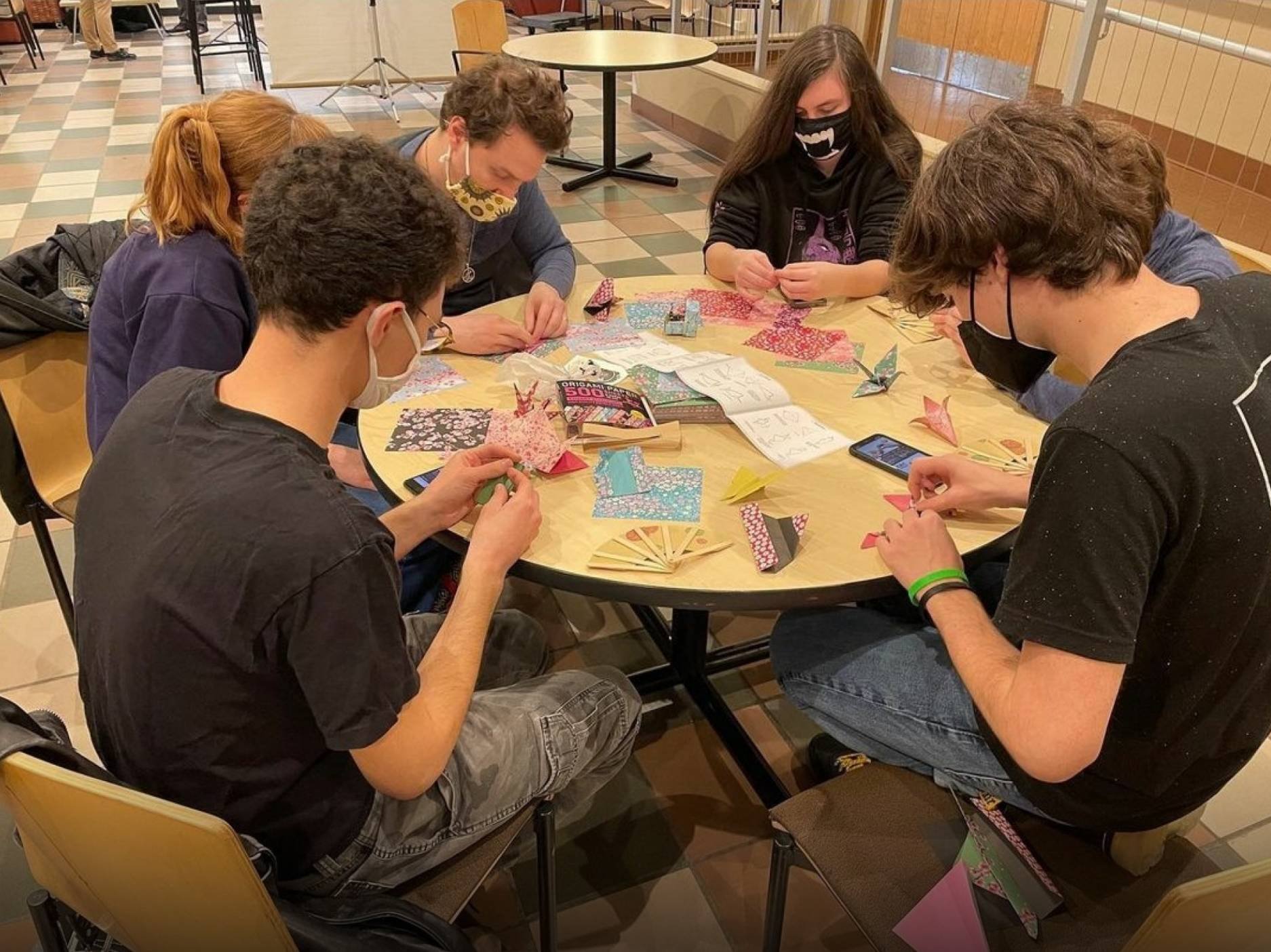
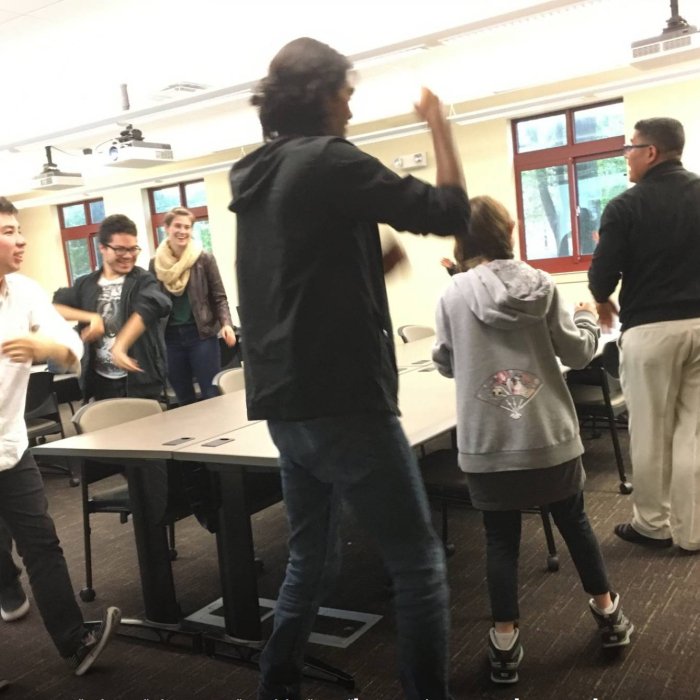
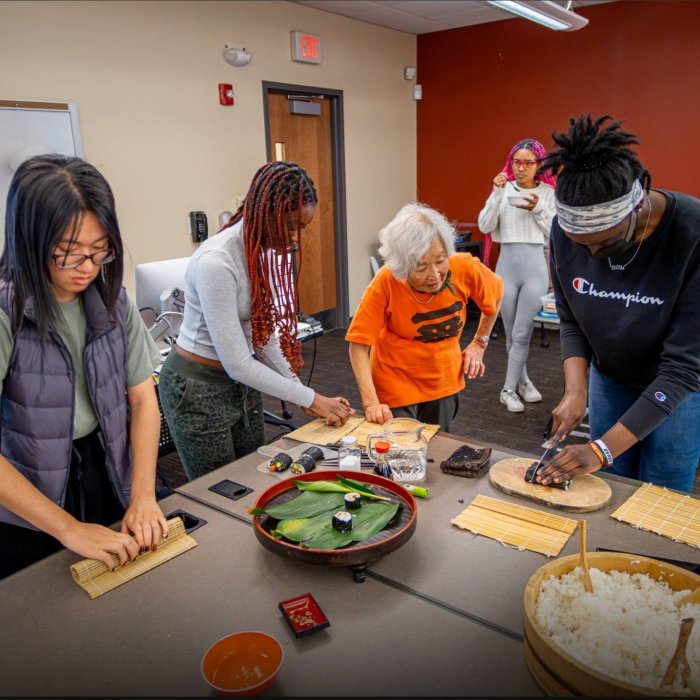
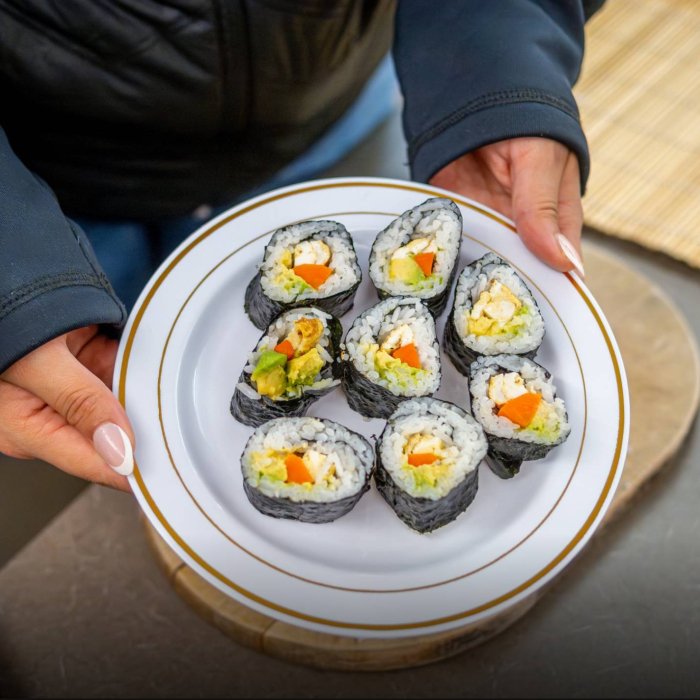
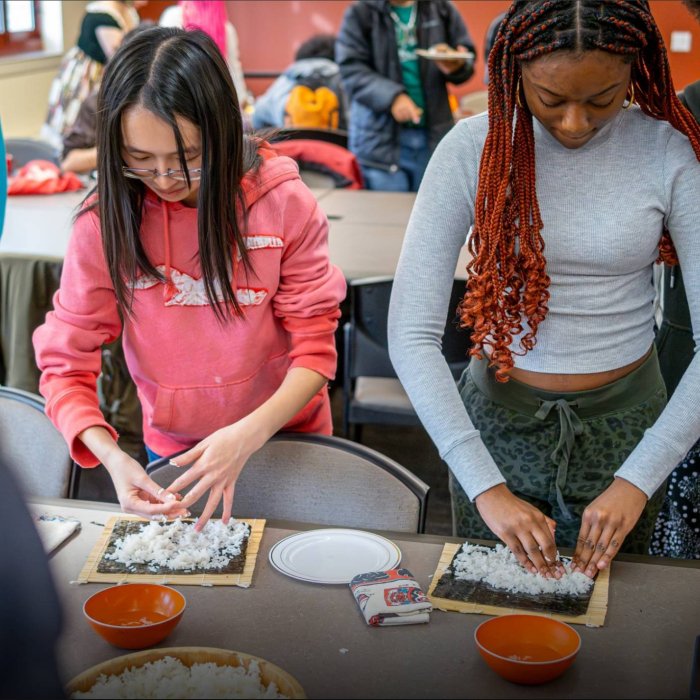
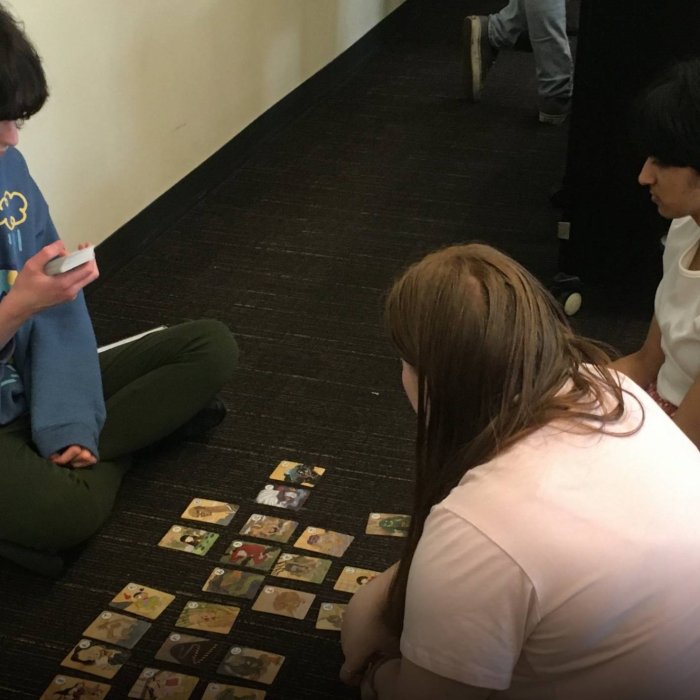
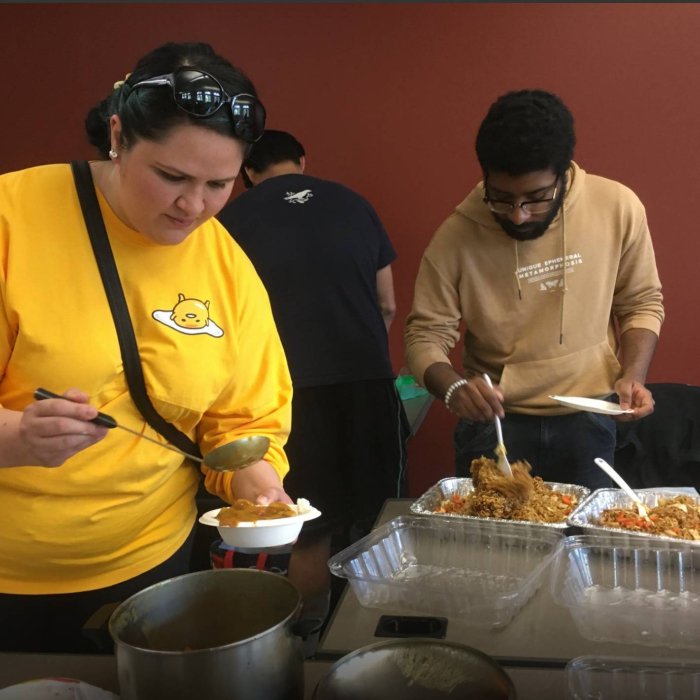
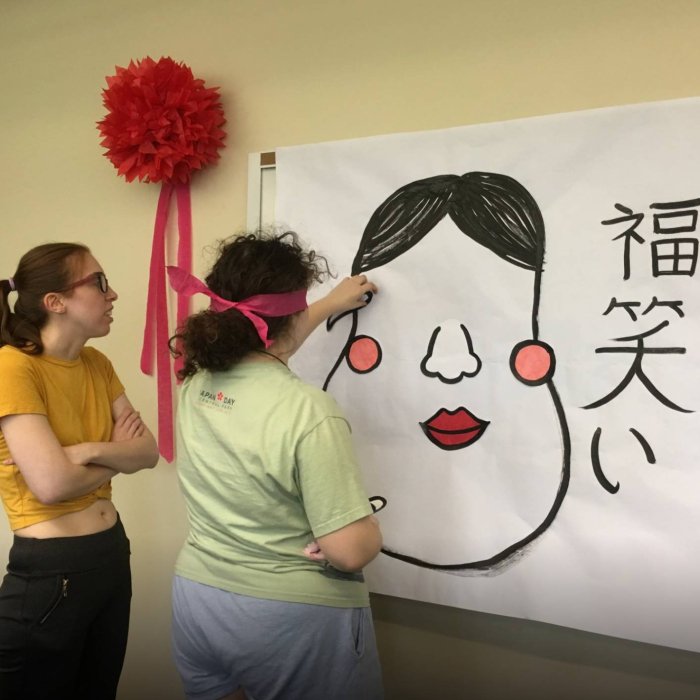
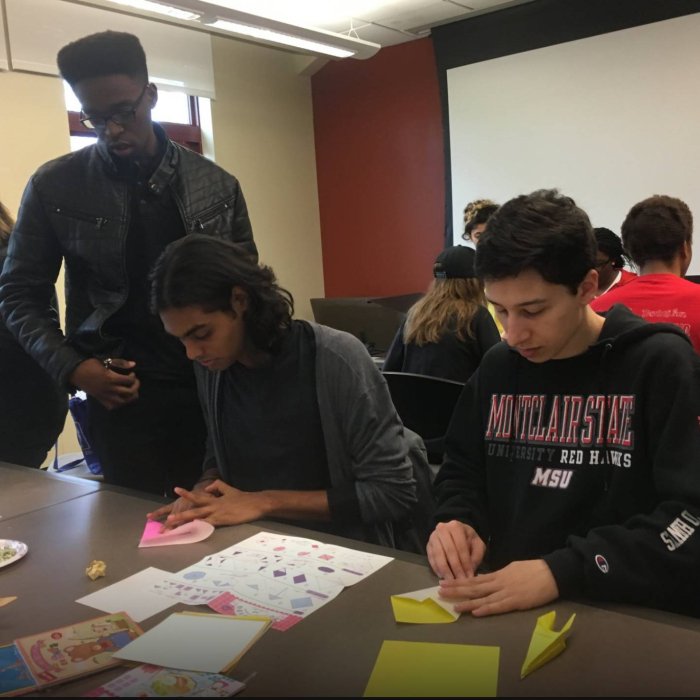
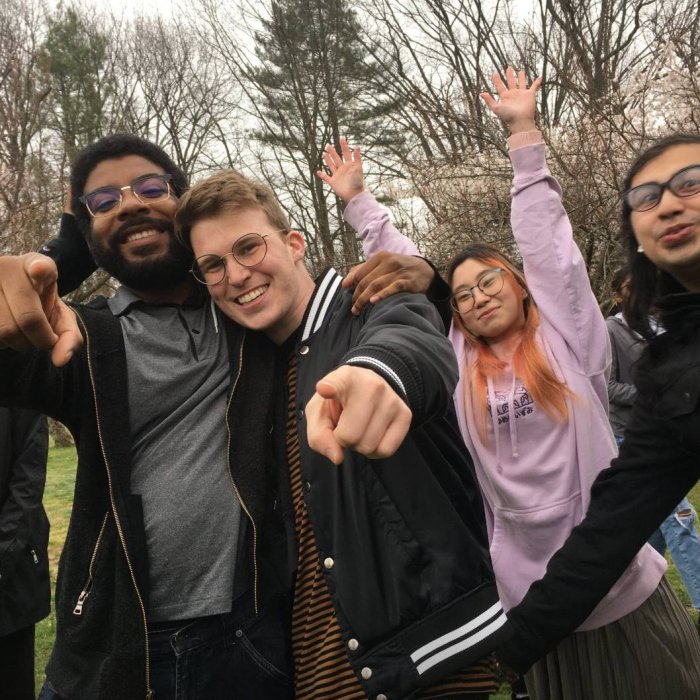
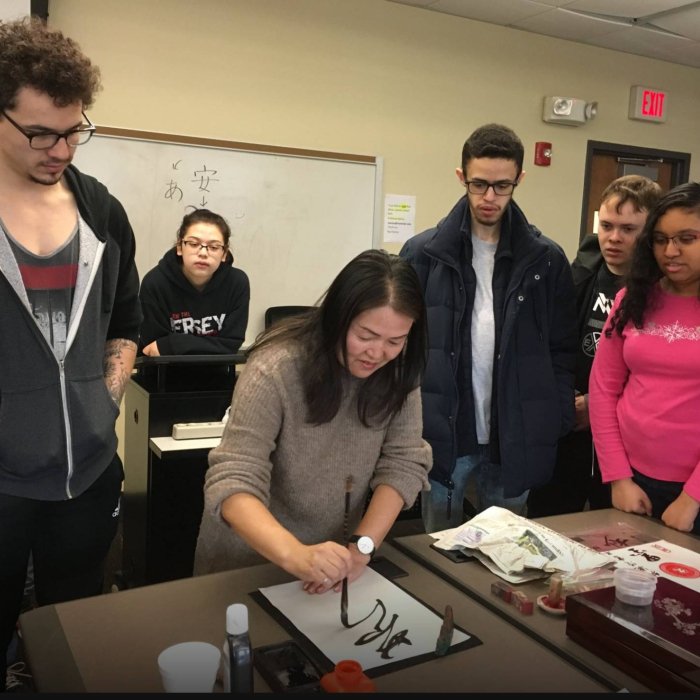
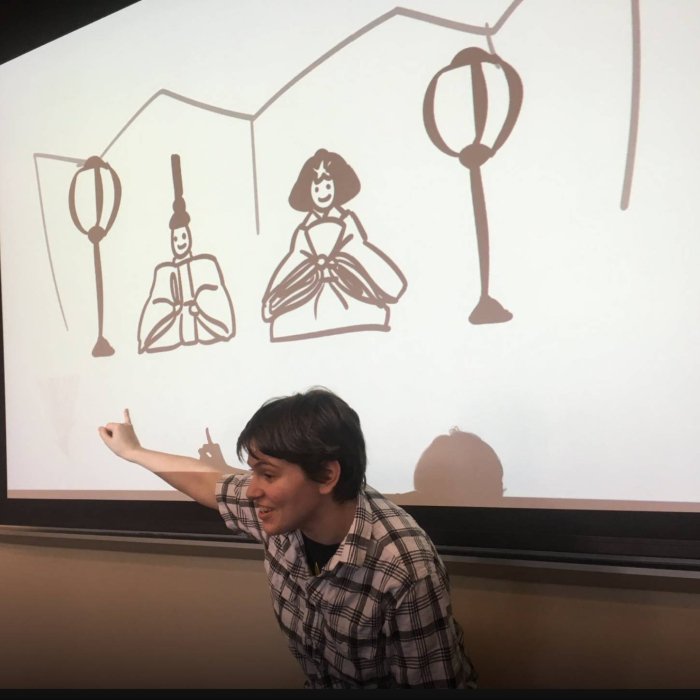
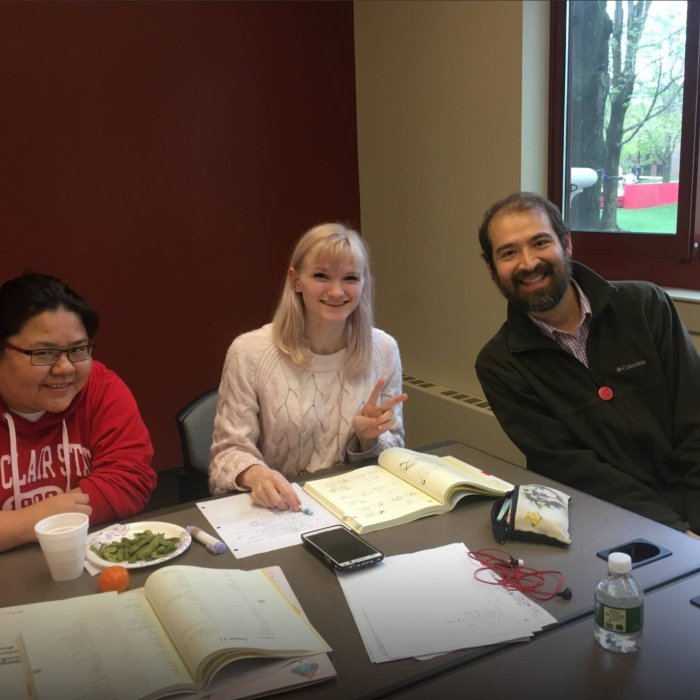
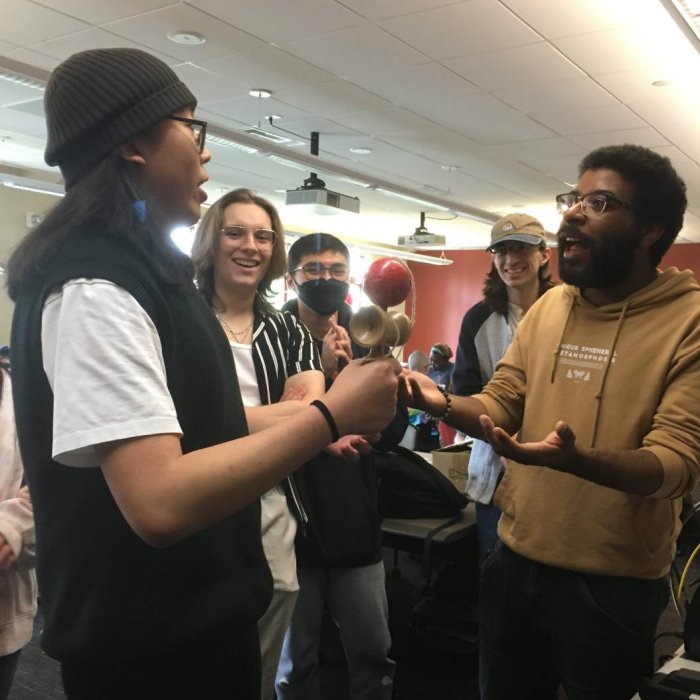
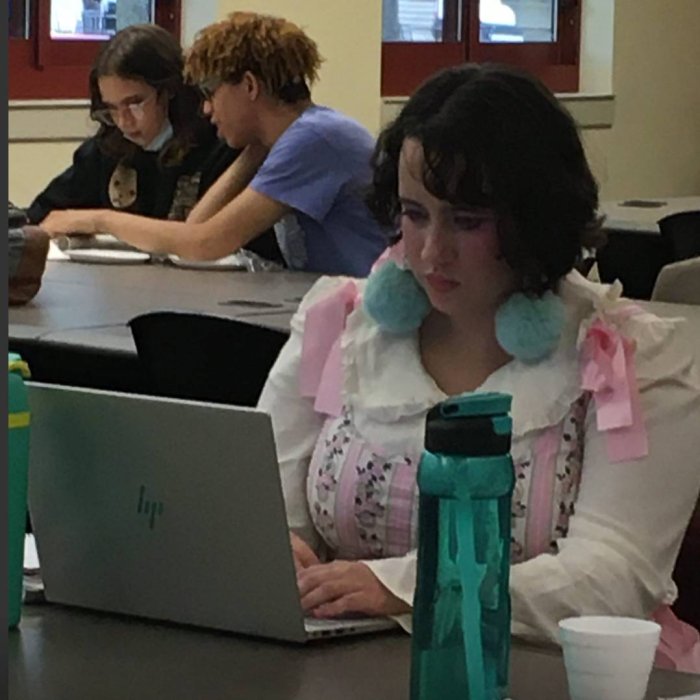
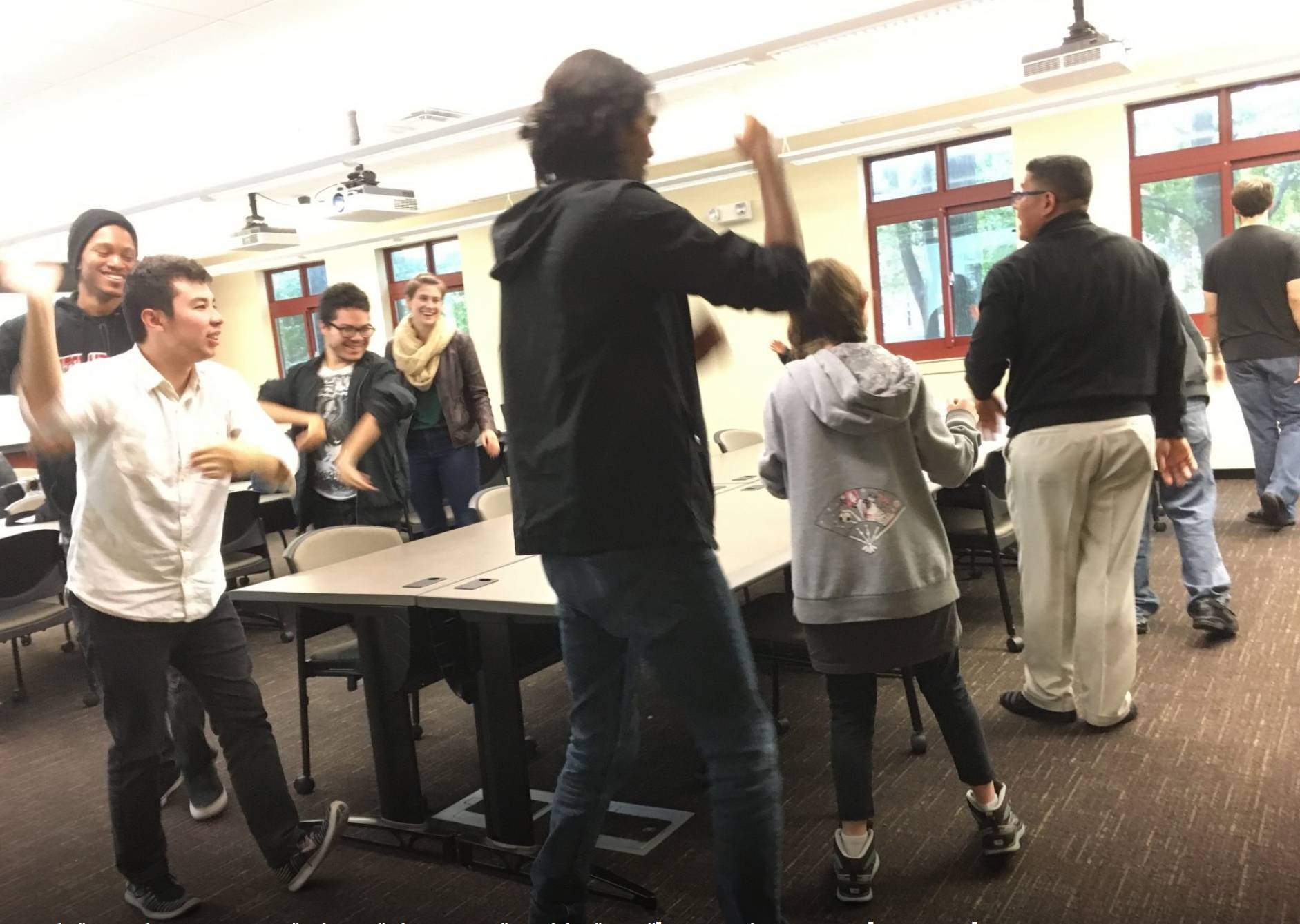
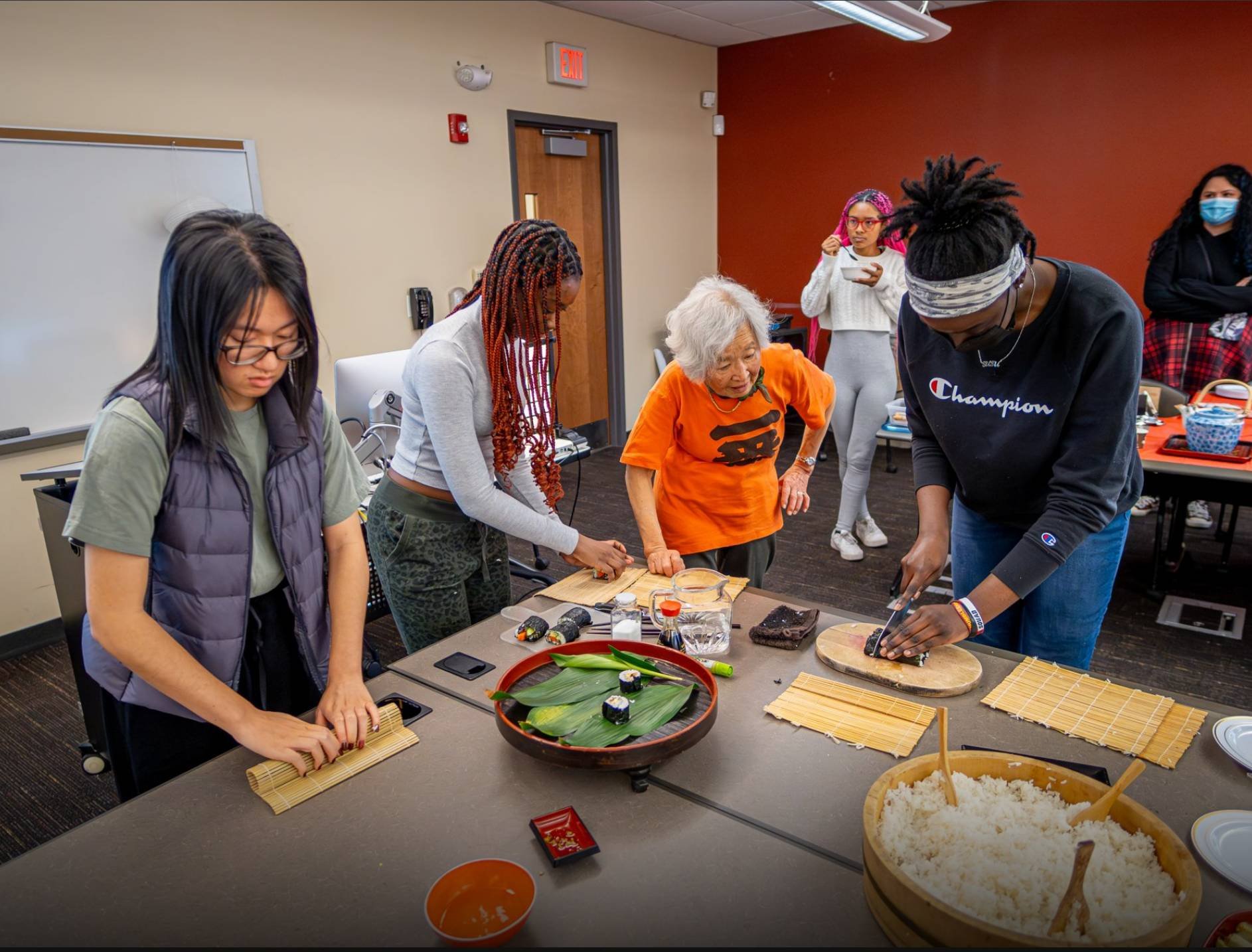
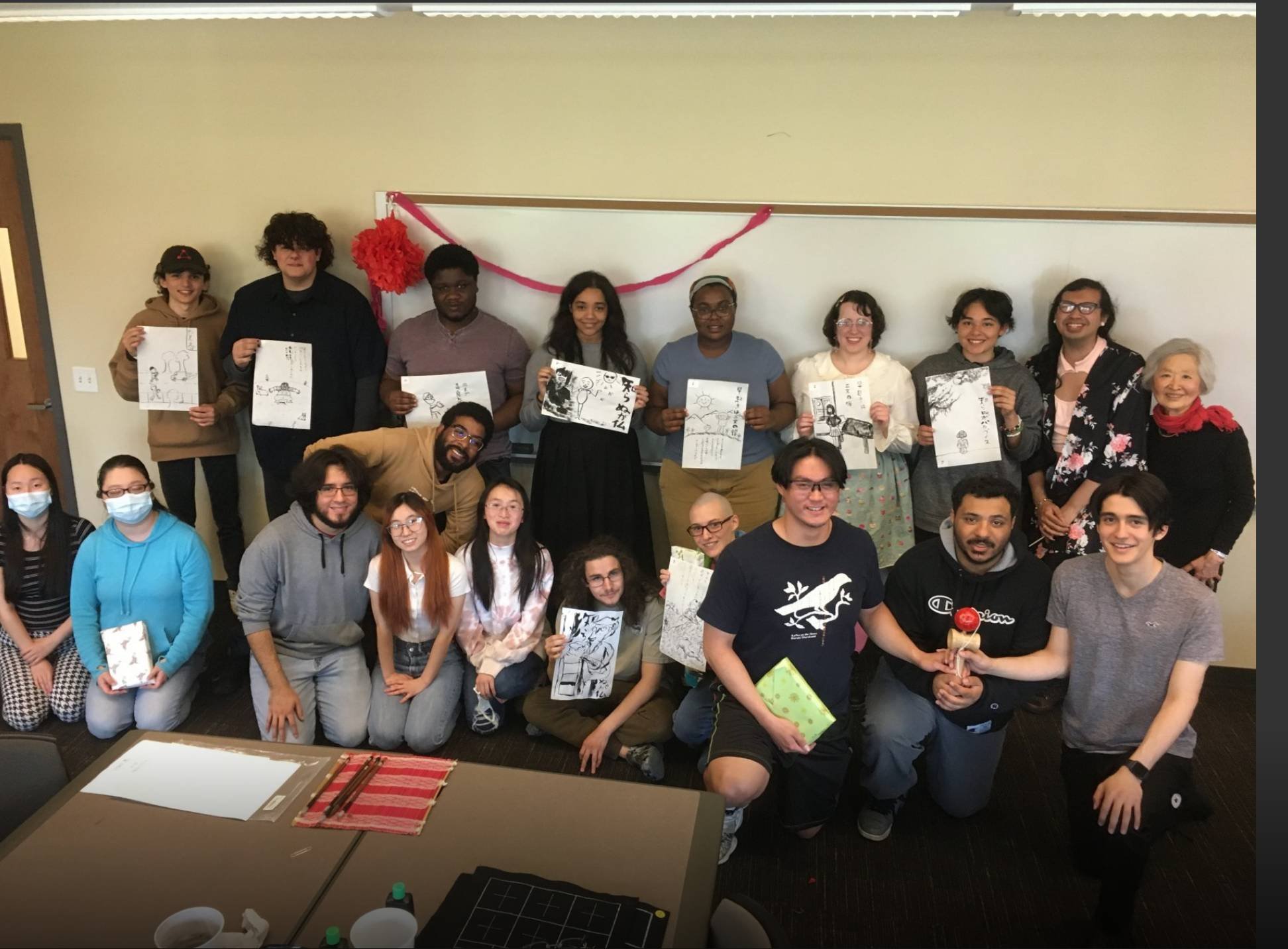
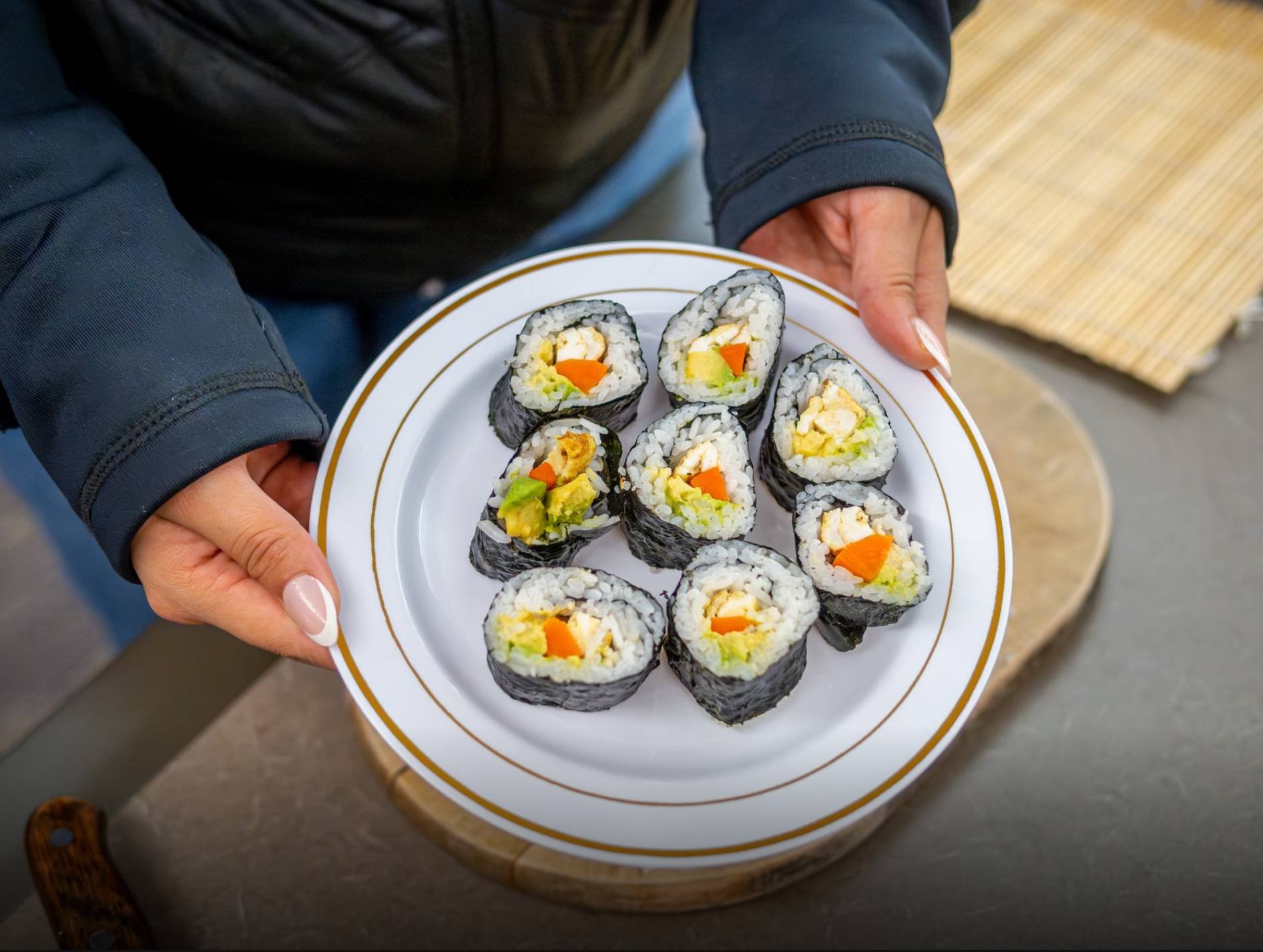
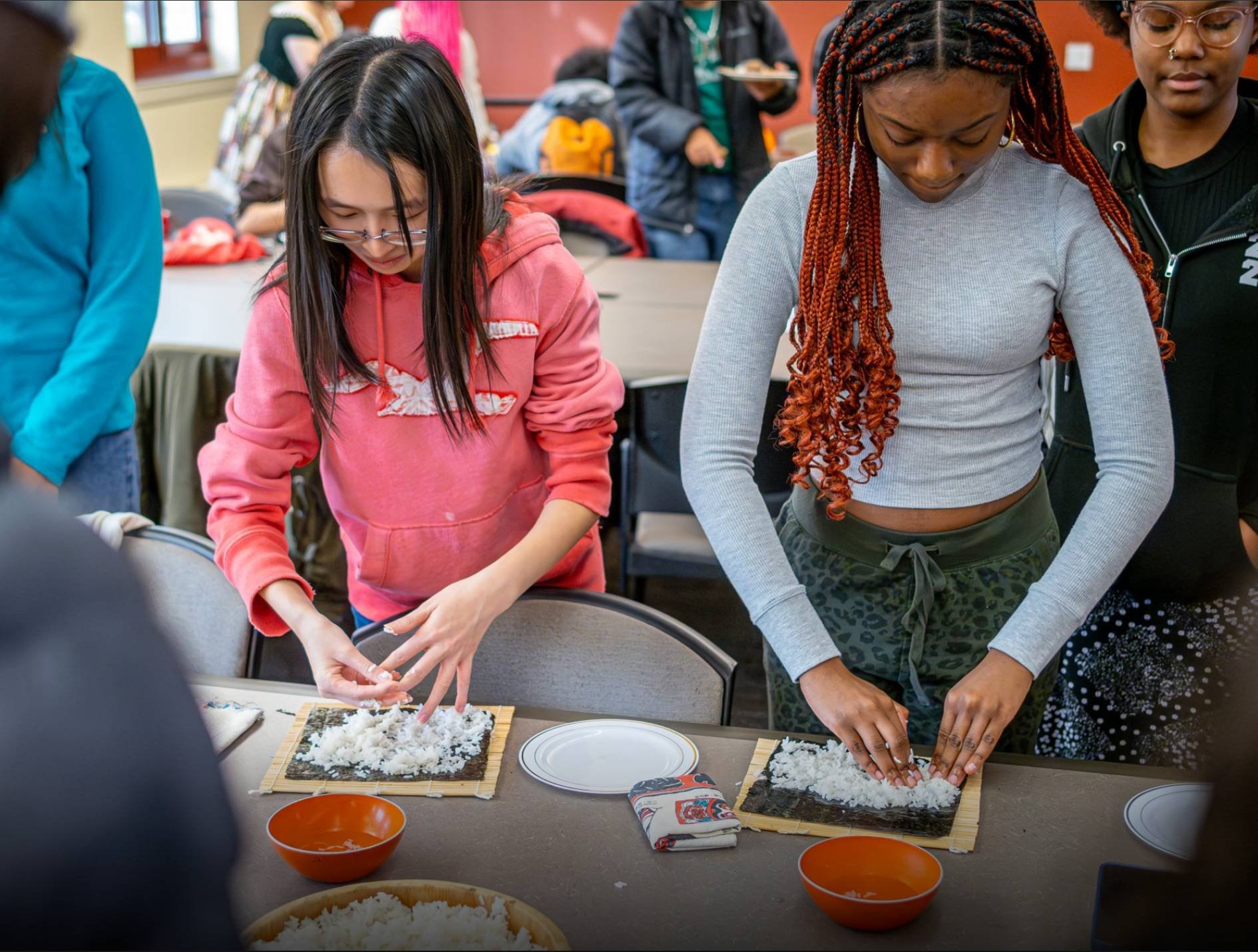
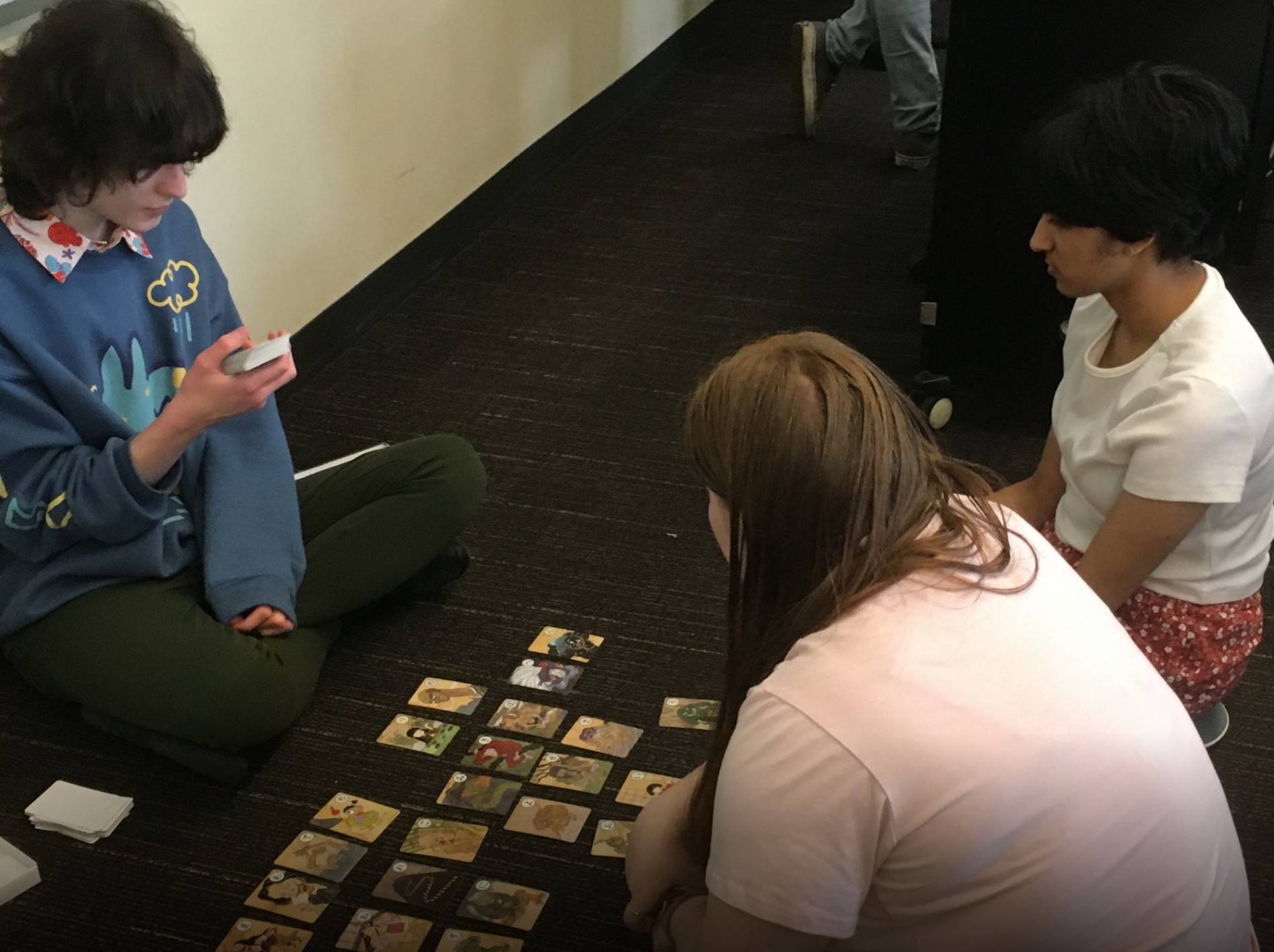
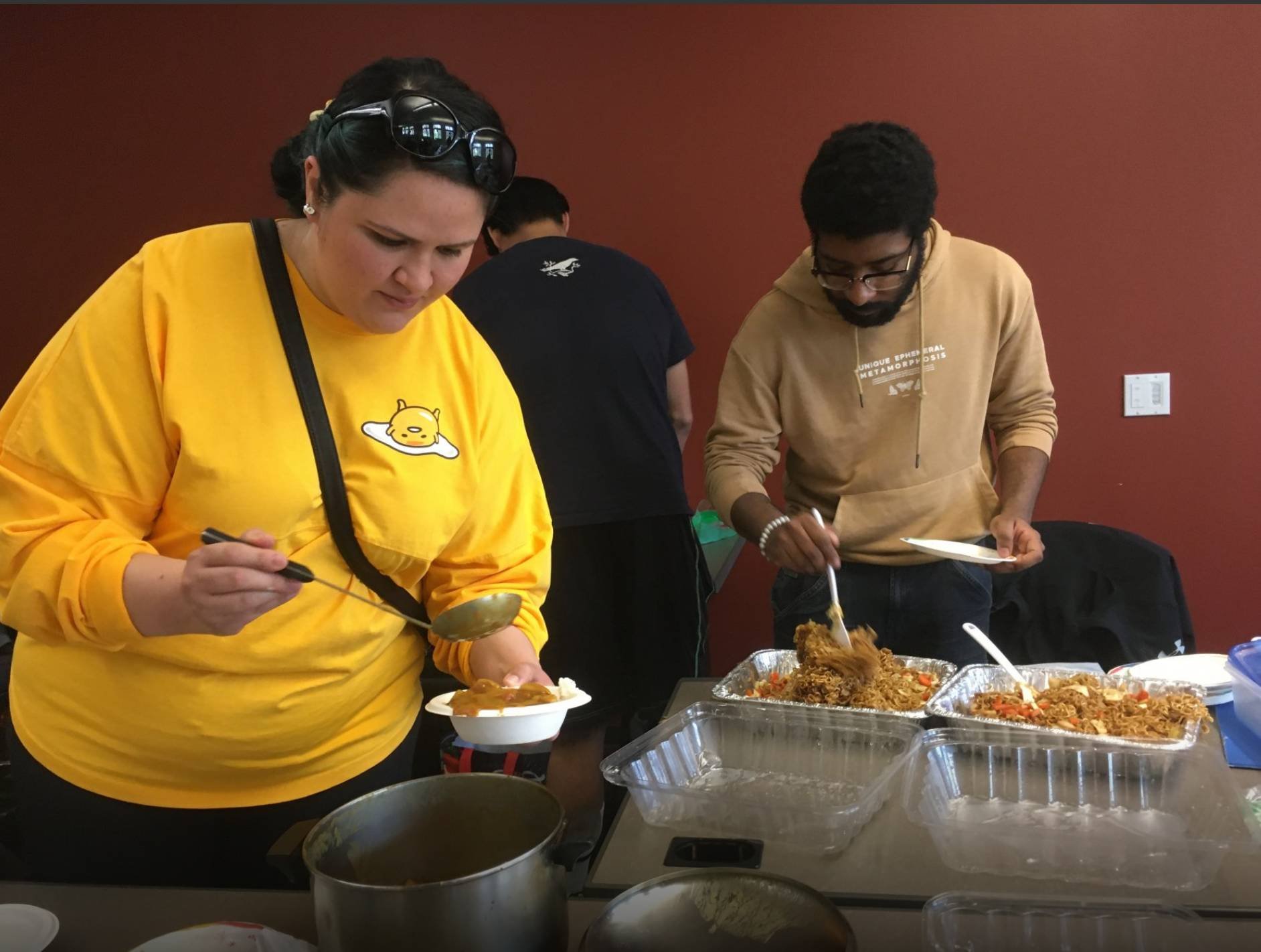
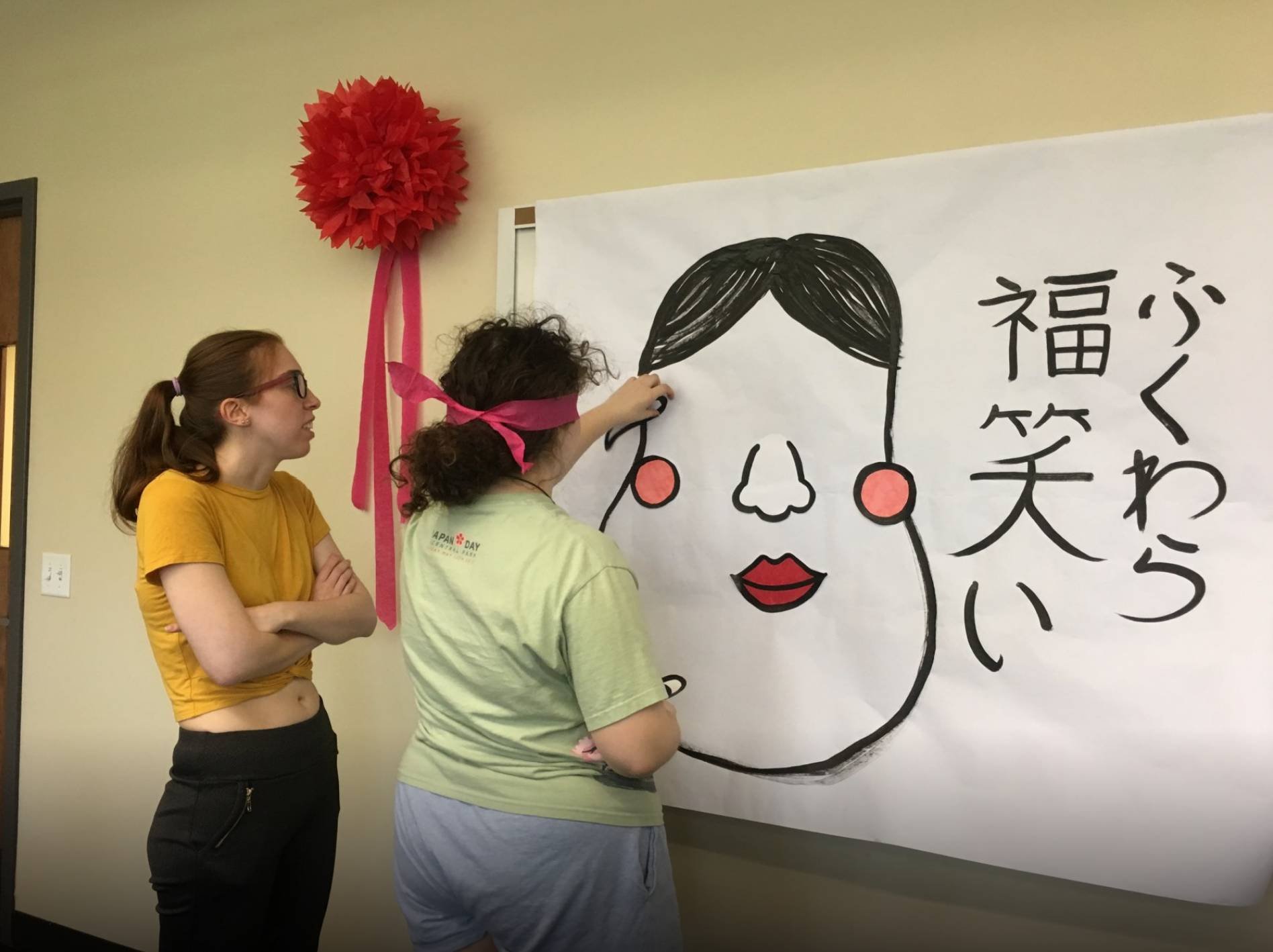
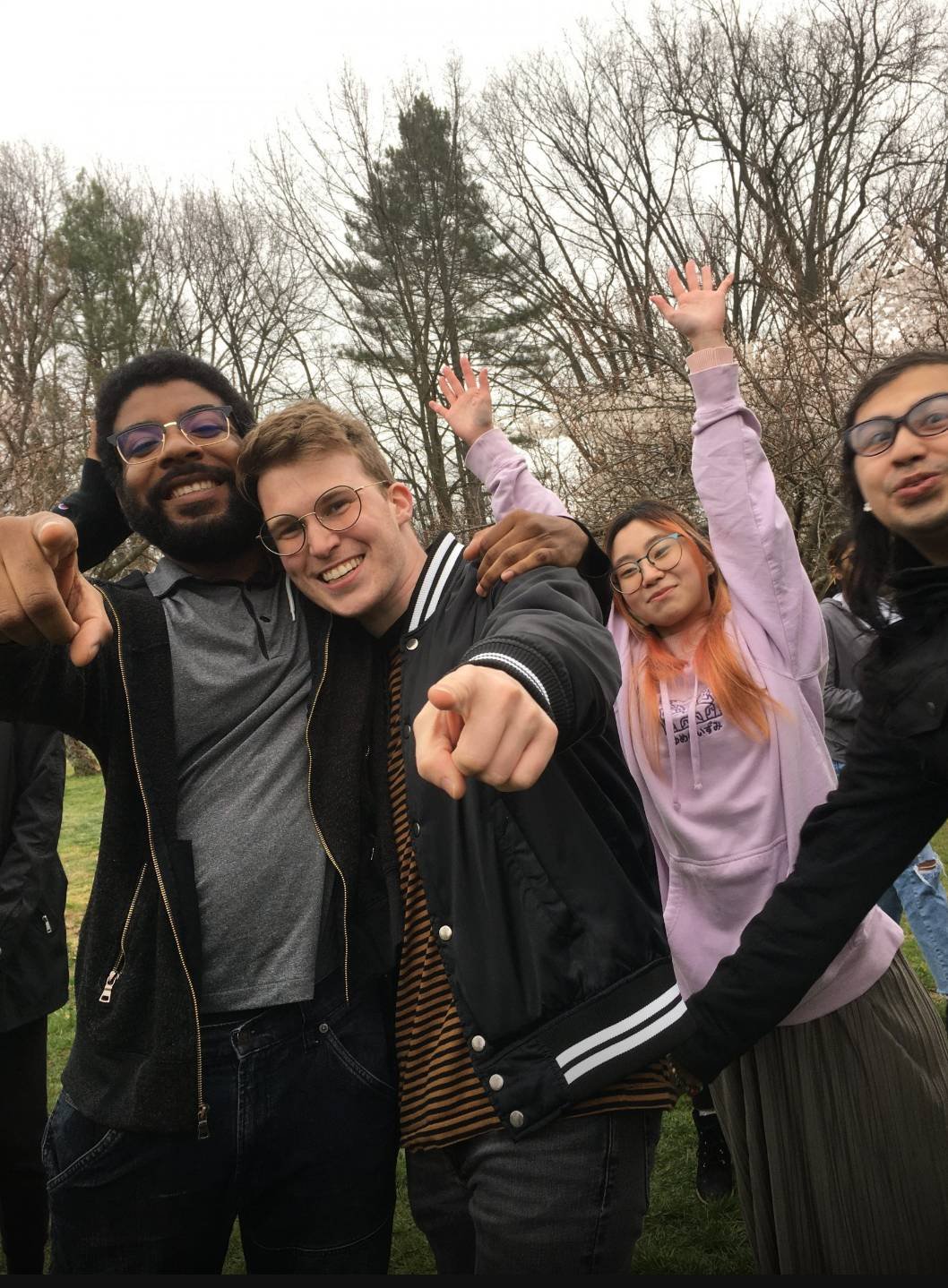
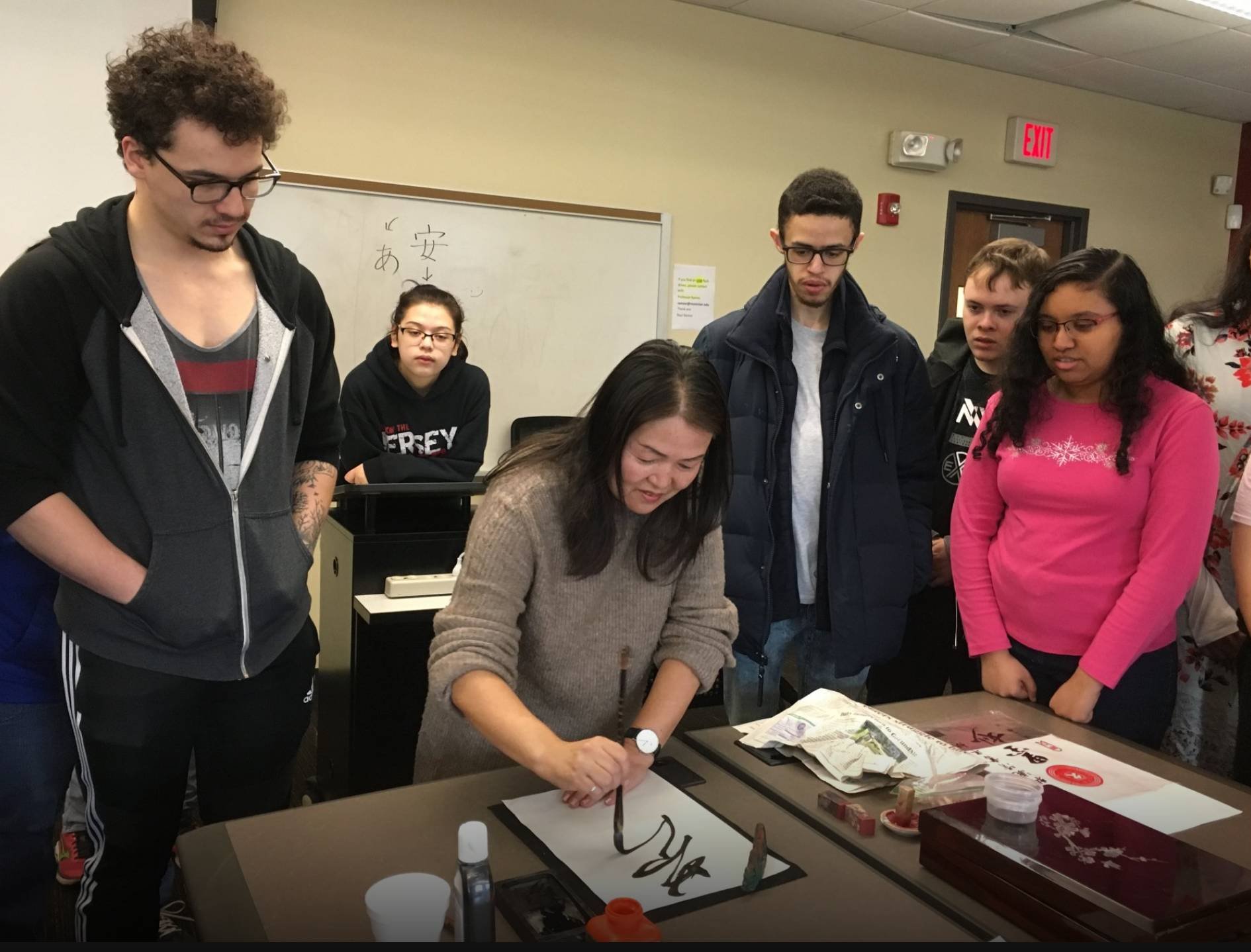
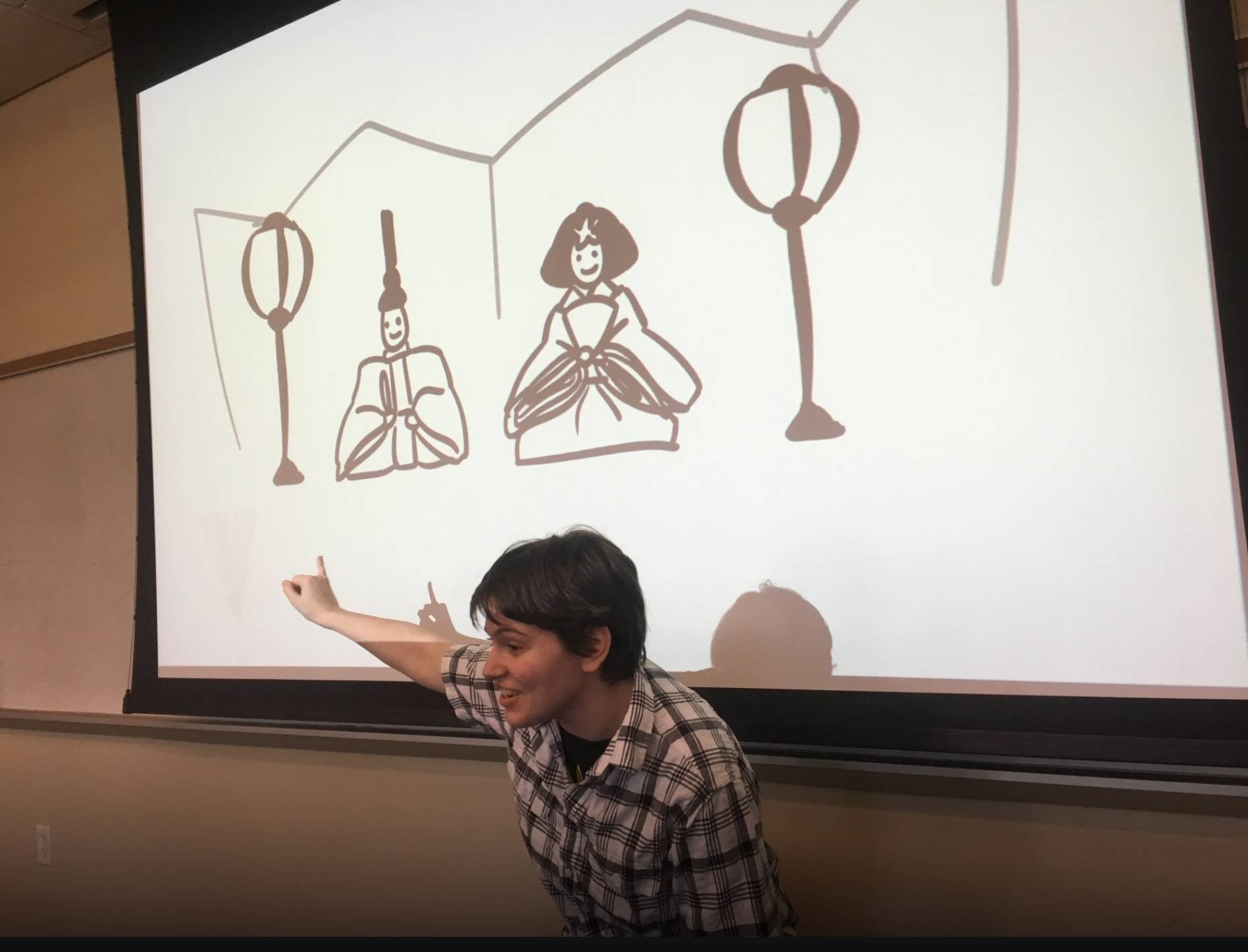
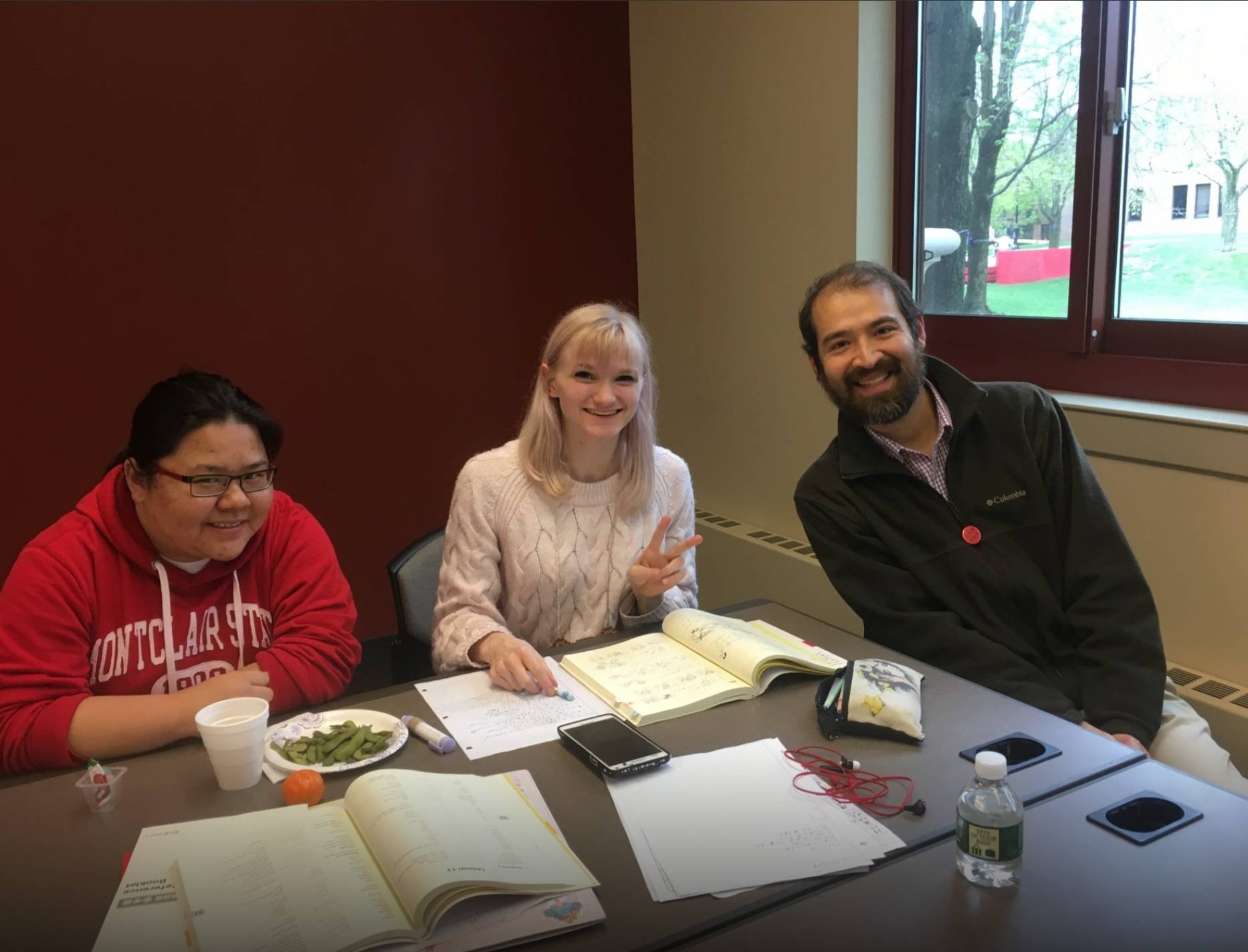
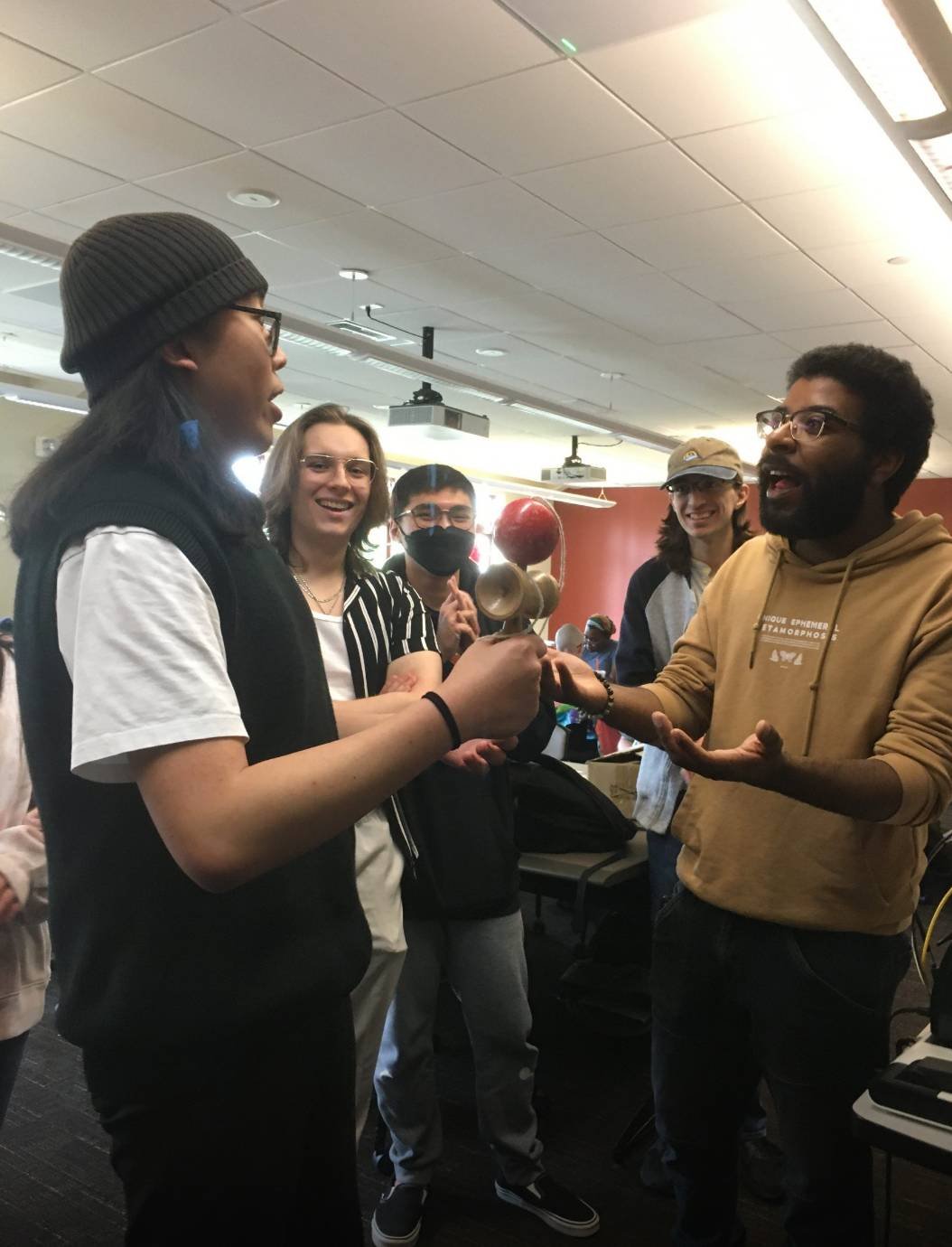
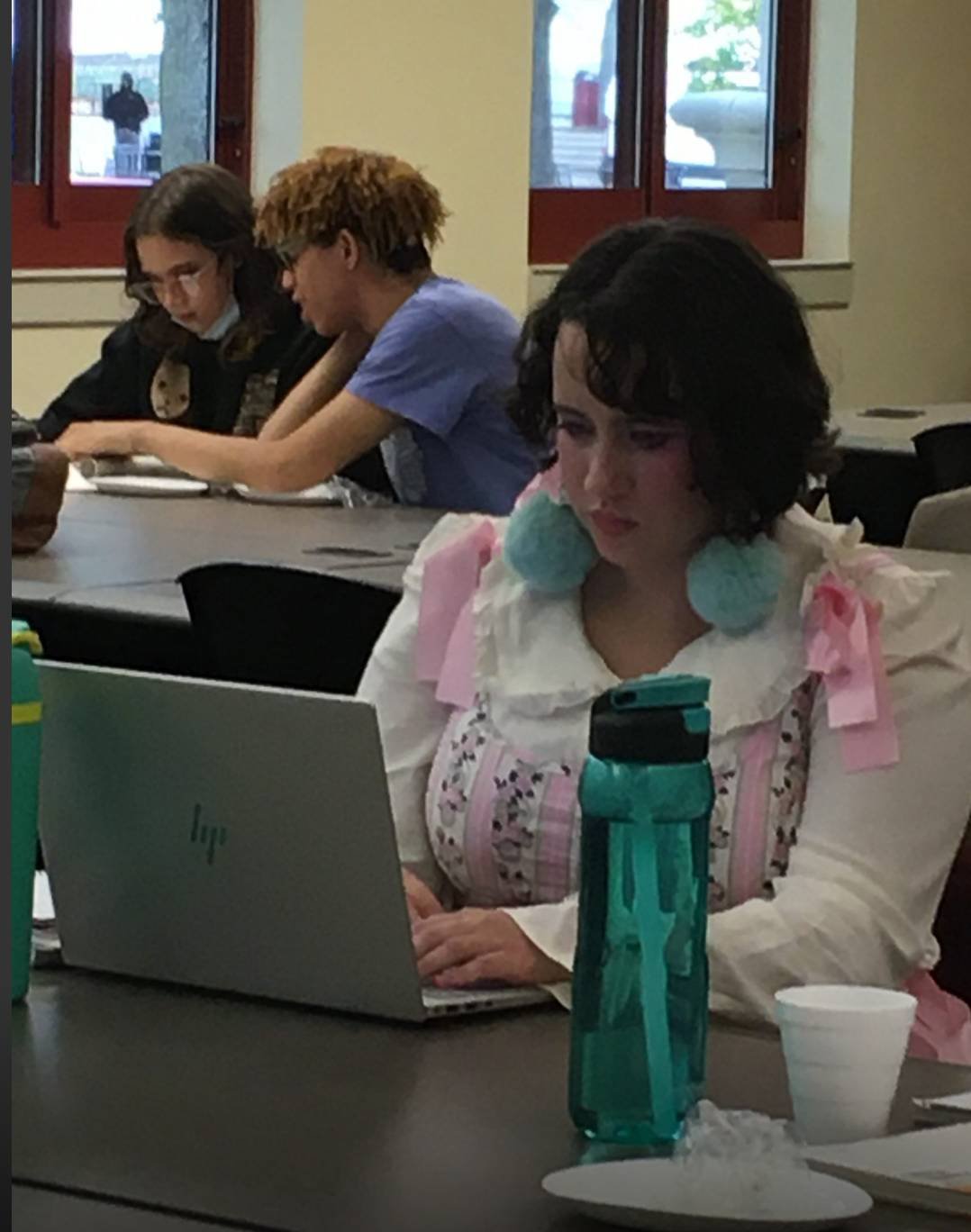
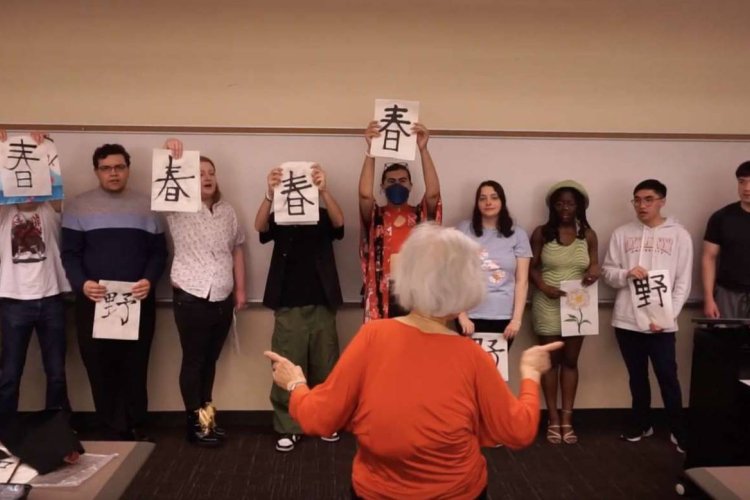
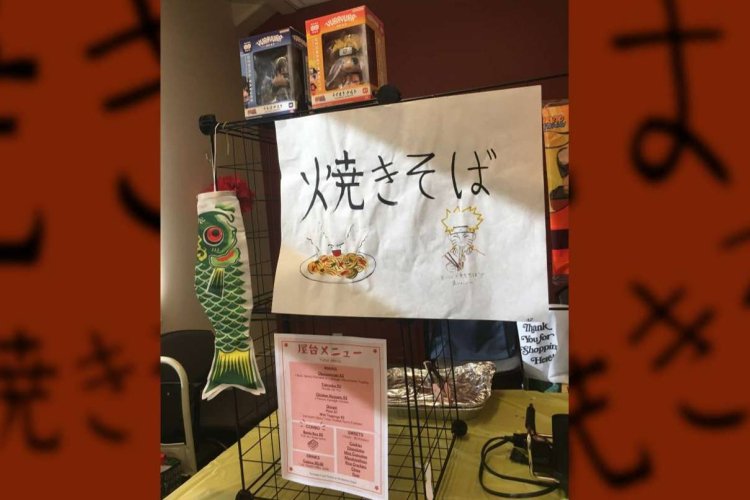
Founded in 2002, the Japanese Language Circle (J-Circle) provides a welcoming community for students studying Japanese language and culture. Meeting weekly, J-Circle offers opportunities for peer learning, language practice and cultural engagement through activities such as conversation groups, calligraphy, origami, Japanese games, and food-related events like ochazuke and onigiri making. The Japanese Program and J-Circle also organize special celebrations throughout the year, including a mini-Japanese Autumn Festival, Golden Week events and cherry blossom viewing. The organization further sponsors career-focused events, including annual JET Program information sessions, helping students build connections while supporting their academic, cultural and professional interests beyond the classroom.
WHEN: Meets weekly on Wednesday 2:30 – 4:30 pm
WHERE: CS room 125
CONTACT: Yahui Olenik or Andrew Olenik
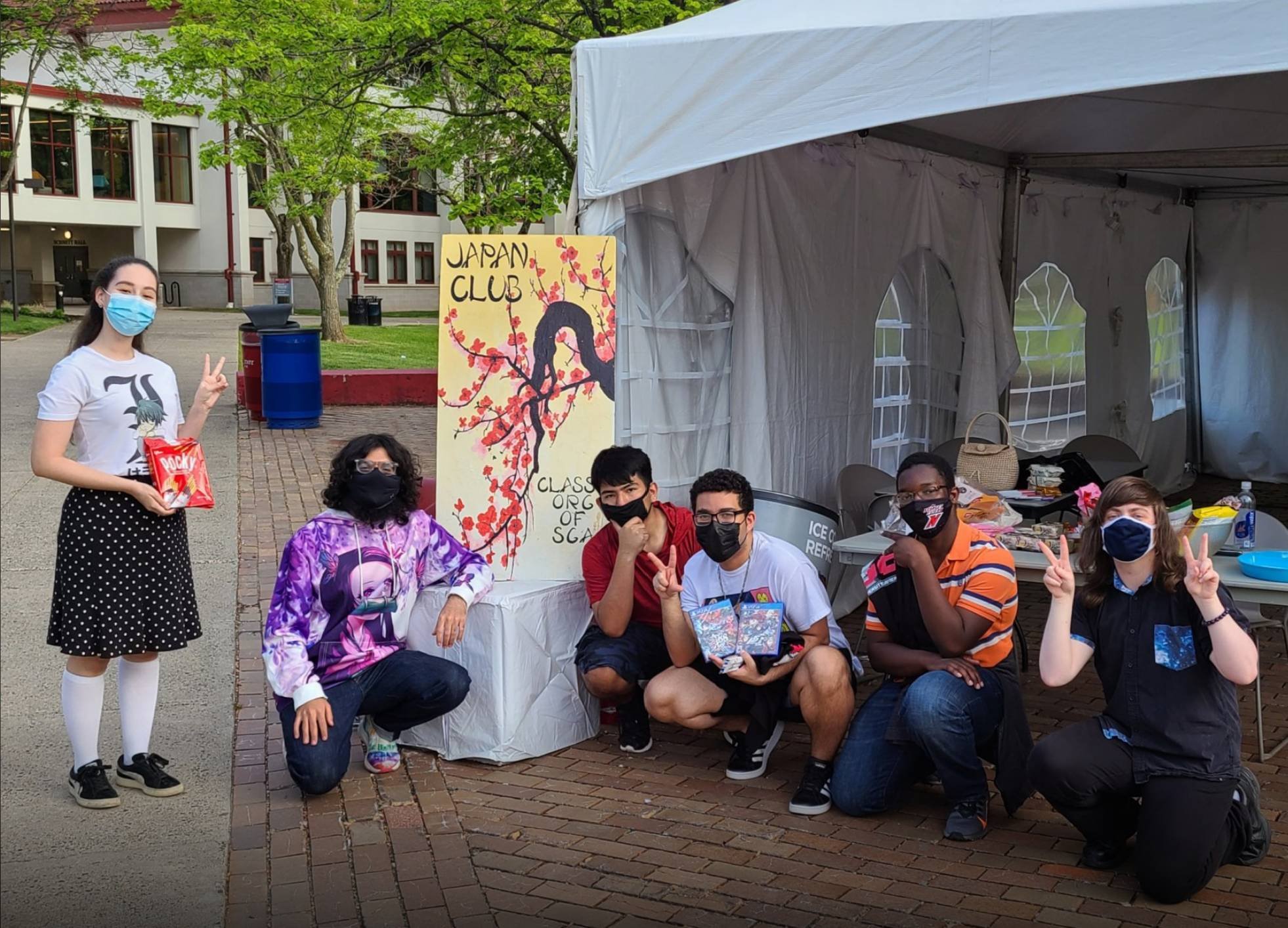
Japan Club
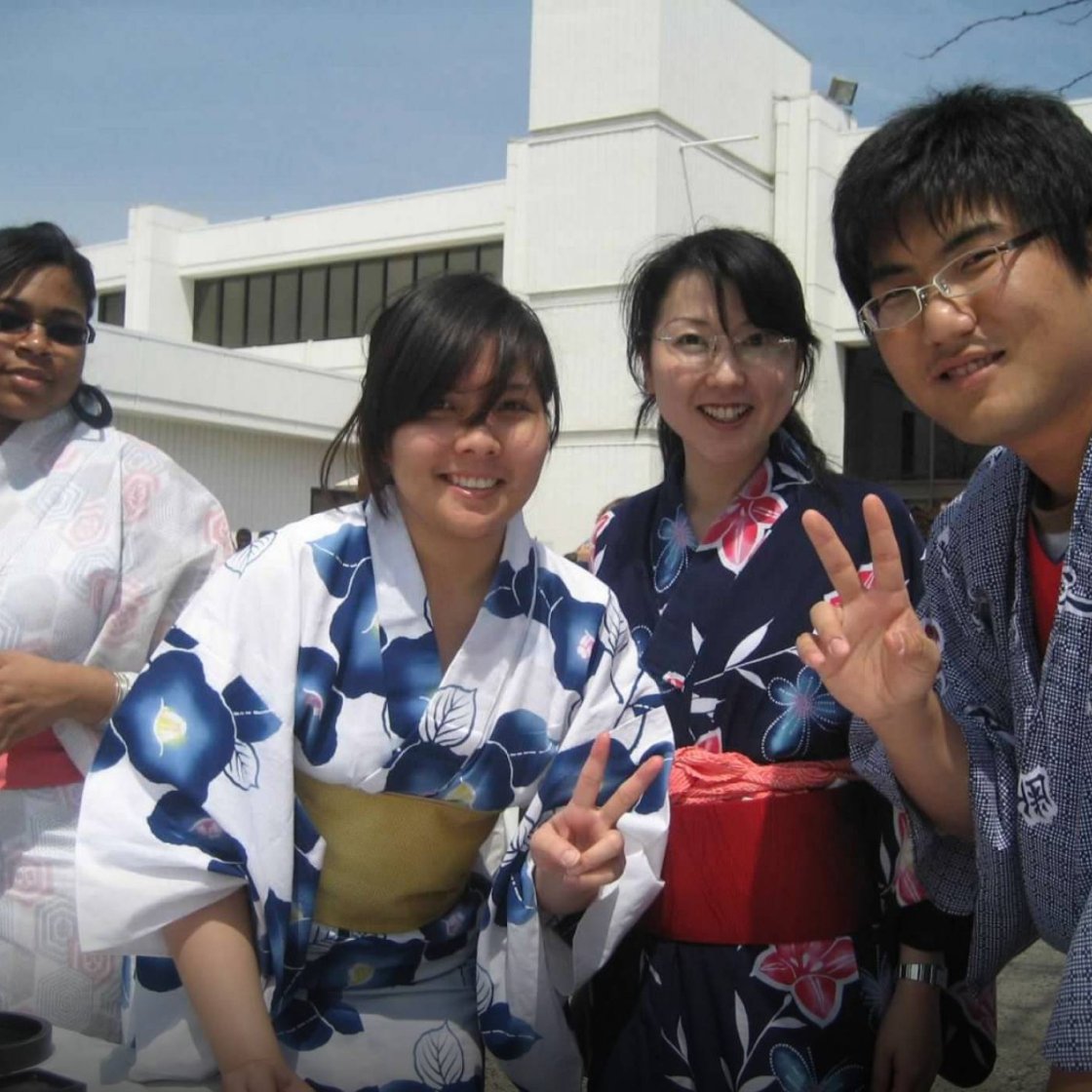
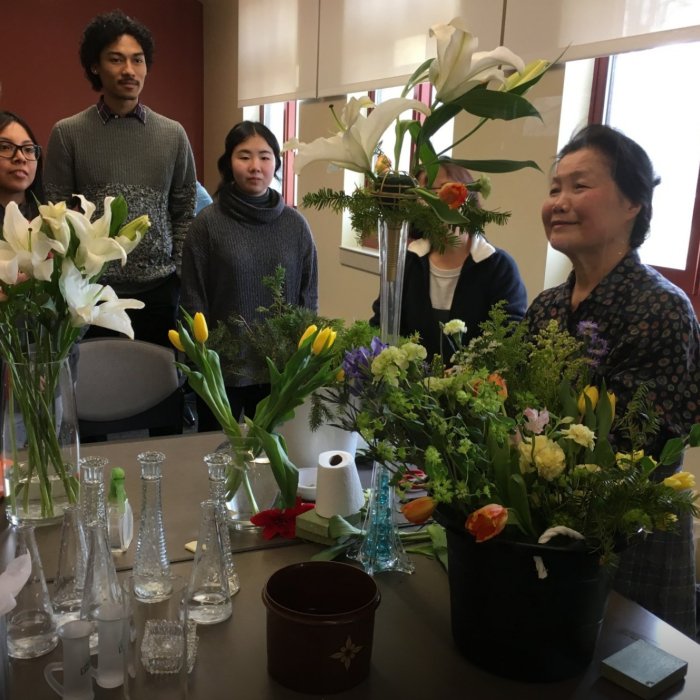
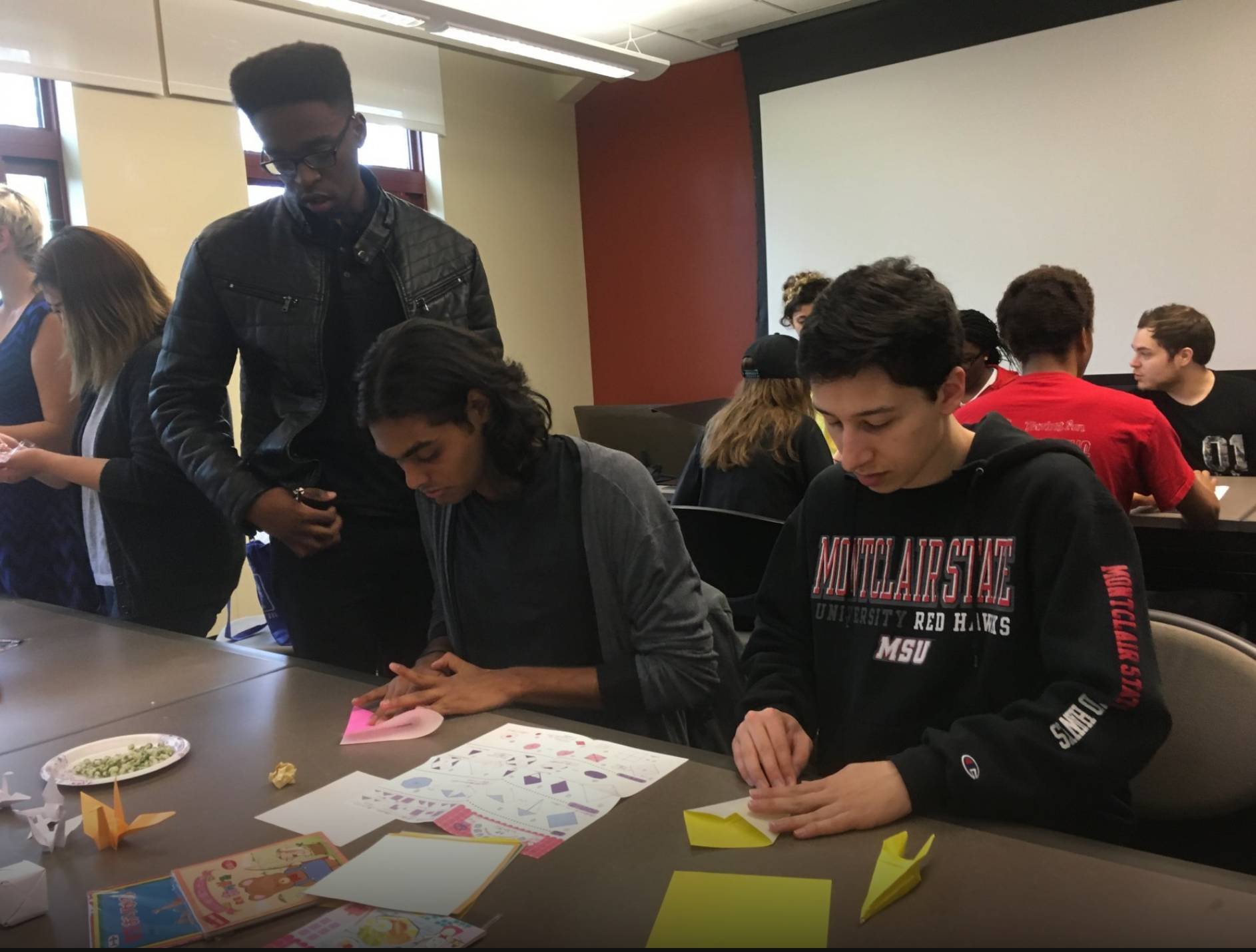
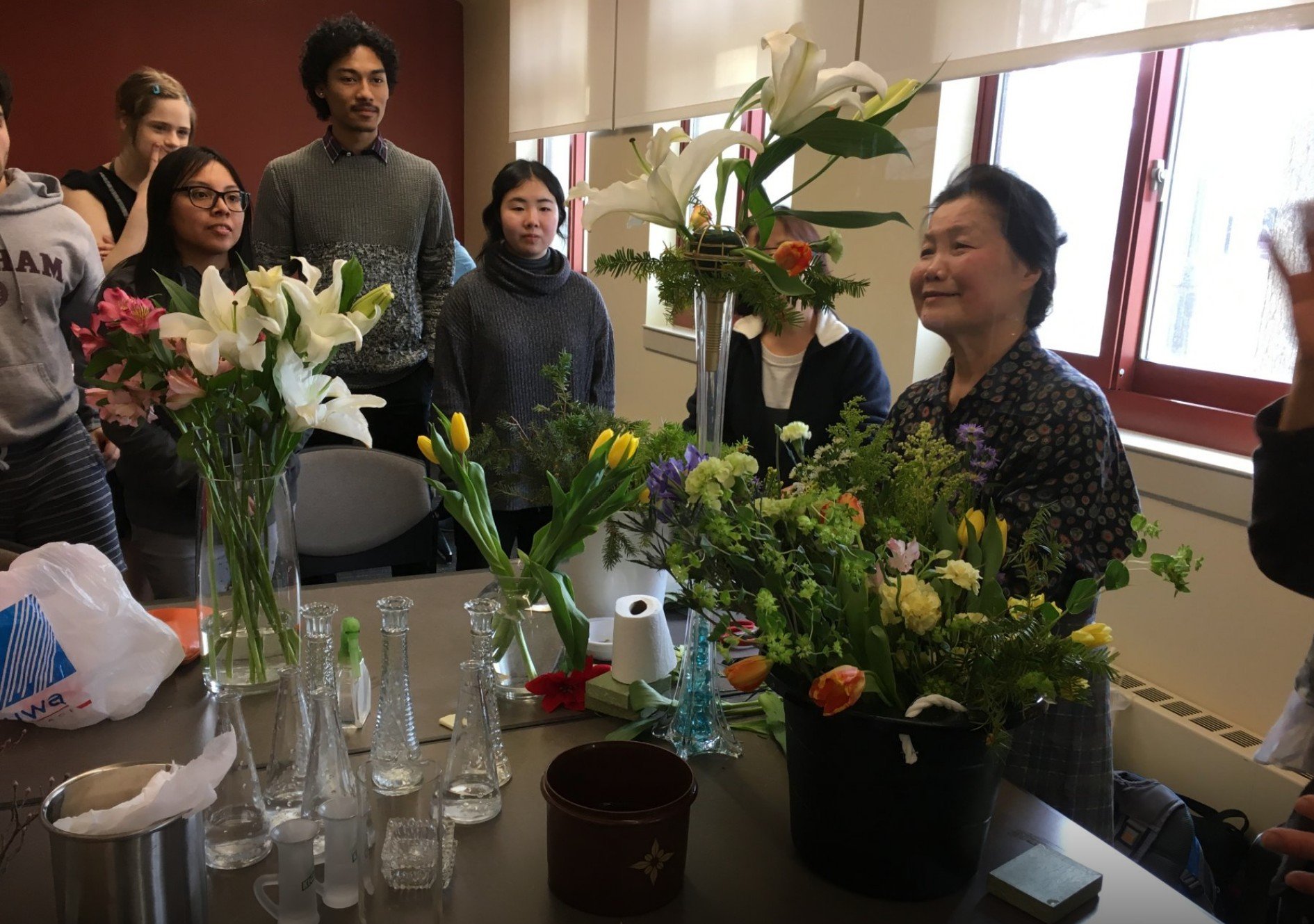
The Japan Club is an RSO of the SGA that promotes awareness and appreciation of Japanese culture through educational, cultural and social programming. Club activities include origami workshops, film screenings, karaoke nights, Japanese cuisine events, ikebana flower arranging workshops and traditional games, offering students opportunities to engage with both traditional and contemporary Japanese culture. Through its events, the club fosters cultural exchange, community and learning beyond the classroom.
Follow the club on Instagram or Engage for events and updates!
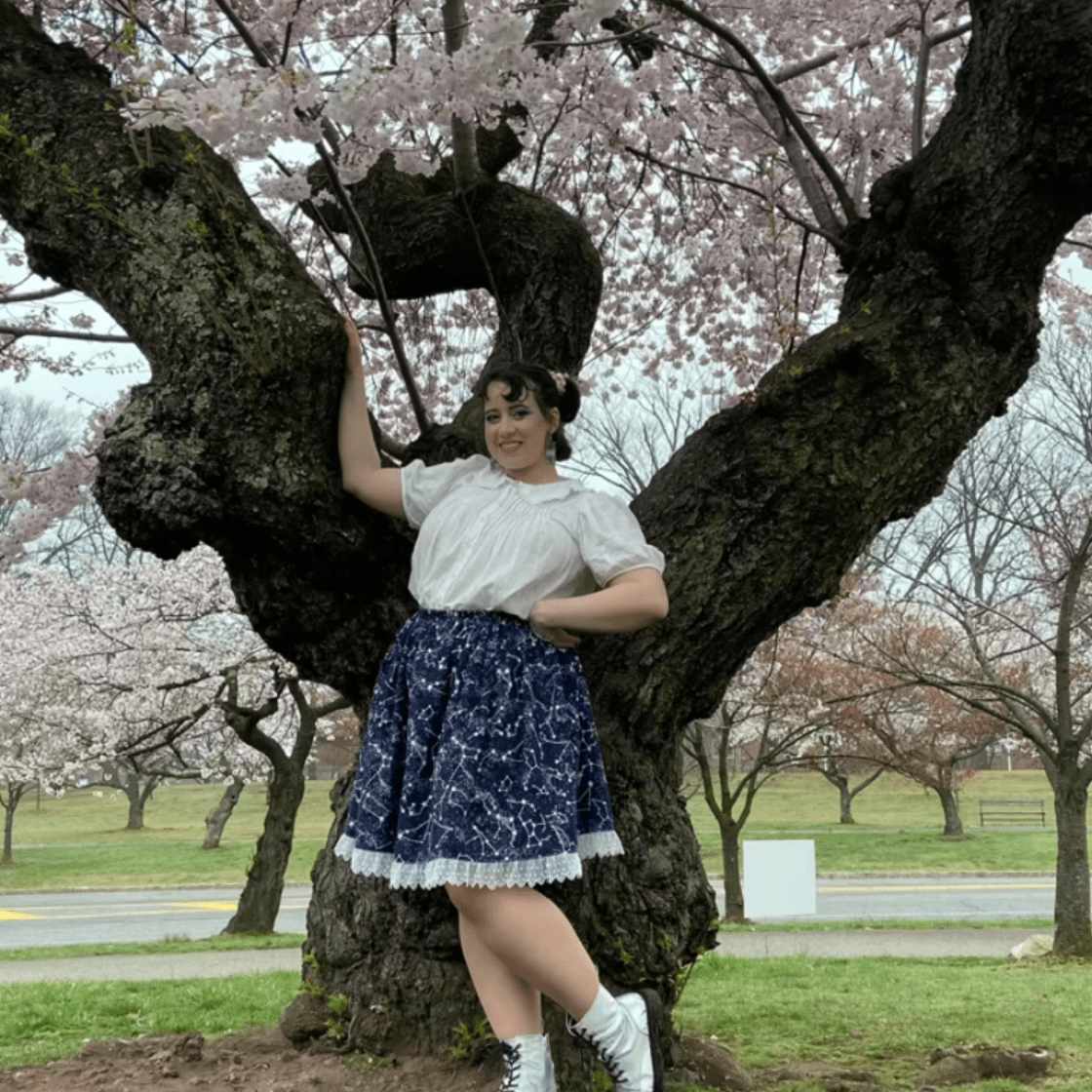
Montclair, Japanese and Me
Ella Cavanagh ‘24, winner of the 2024 Japanese Video Contest, talks about her memories and experiences in the Japanese program.
JET Program
The Japan Exchange and Teaching (JET) Program is a competitive employment opportunity that allows young professionals to live and work in cities, towns, and villages throughout Japan. Being a JET is an opportunity to work and to represent the United States as cultural ambassadors to Japan. Most participants serve as Assistant Language Teachers (ALTs) and work in public and private schools throughout Japan; some work as Coordinators for International Relations (CIRs) as interpreters/translators.
Katherine Martinez
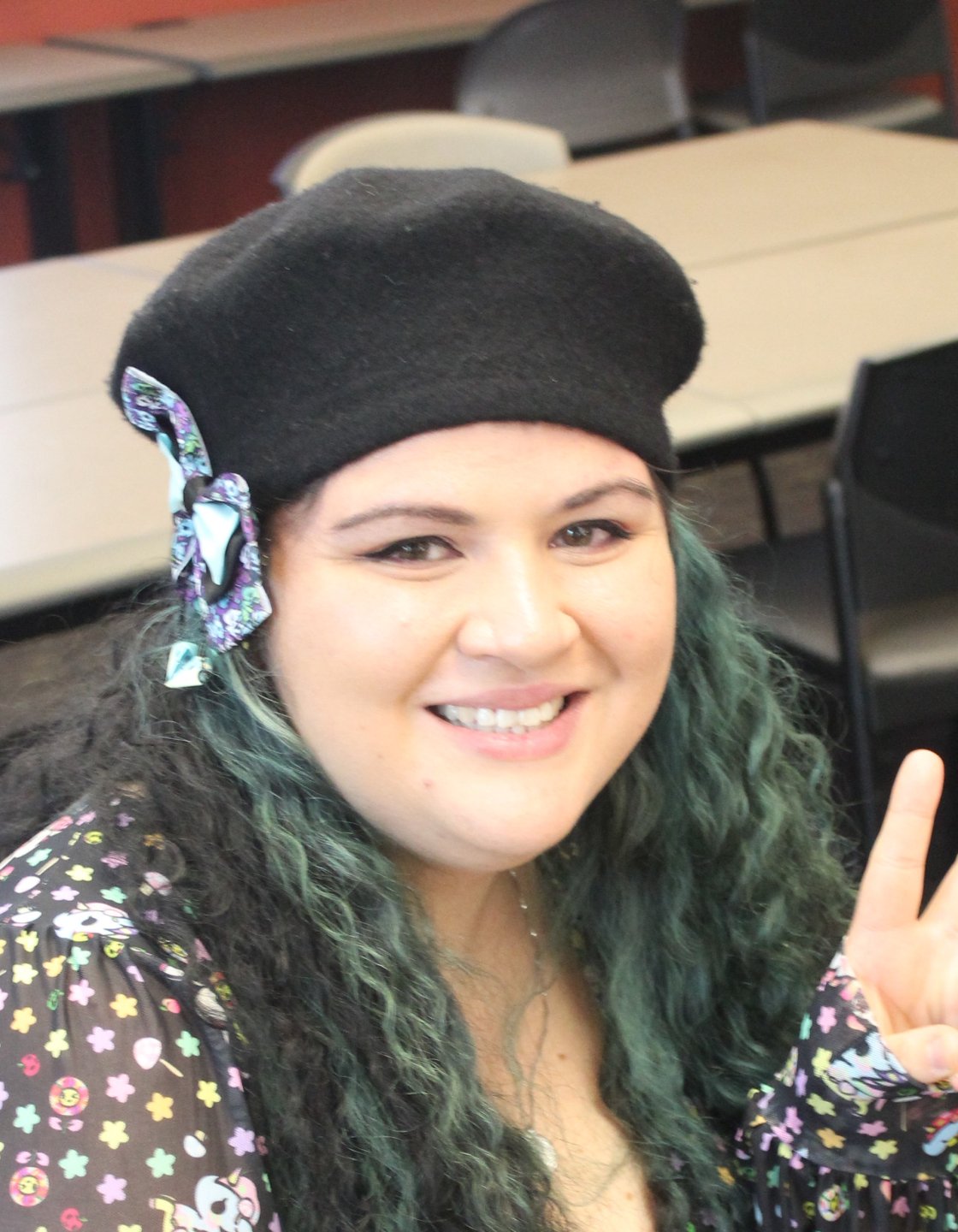
Choosing this major has been a truly enriching journey, expanding my knowledge of history, traditions and global cultures. Through my courses, I have deepened my appreciation for the rich tapestry of our world. I have come to realize that no matter the ci
Katherine Martinez ‘26

Creative Growth & Community Leadership
Skell Longfield, a BFA Illustration graduate with a Japanese minor, credits supportive professors and the welcoming J-Circle community for fostering both academic and personal growth. As winner of the 2023 J-Circle Kotowaza Illustration & Calligraphy Contest and a peer tutor, Skell exemplifies leadership and collaborative learning within the Japanese program.
Professors are always encouraging and reassuring, reminding me of how far I’ve come and to keep challenging myself. My peers in class and in J-Circle are also always fun and welcoming, and we strive to help each other learn and grow.
Skell Longfield ‘24
BFA Illustration, Japanese Minor:
Japanese Language Circle
-
 View Image and Caption
 -
 View Image and Caption
 -
 View Image and Caption
 -
 View Image and Caption
 -
 View Image and Caption
 -
 View Image and Caption
 -
 View Image and Caption
 -
 View Image and Caption
 -
 View Image and Caption
 -
 View Image and Caption
 -
 View Image and Caption
 -
 View Image and Caption
 -
 View Image and Caption
 -
 View Image and Caption
 -
 View Image and Caption
 -
 View Image and Caption
In the News
Our Faculty
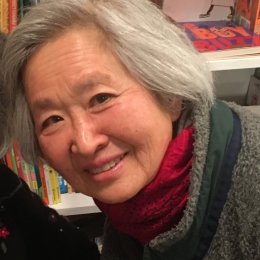
Yahui Olenik
- Adjunct Professor