
School of Nursing Simulation Center
Practice clinical skills. Build confidence. Prepare for patient care.
Your Simulation Experience
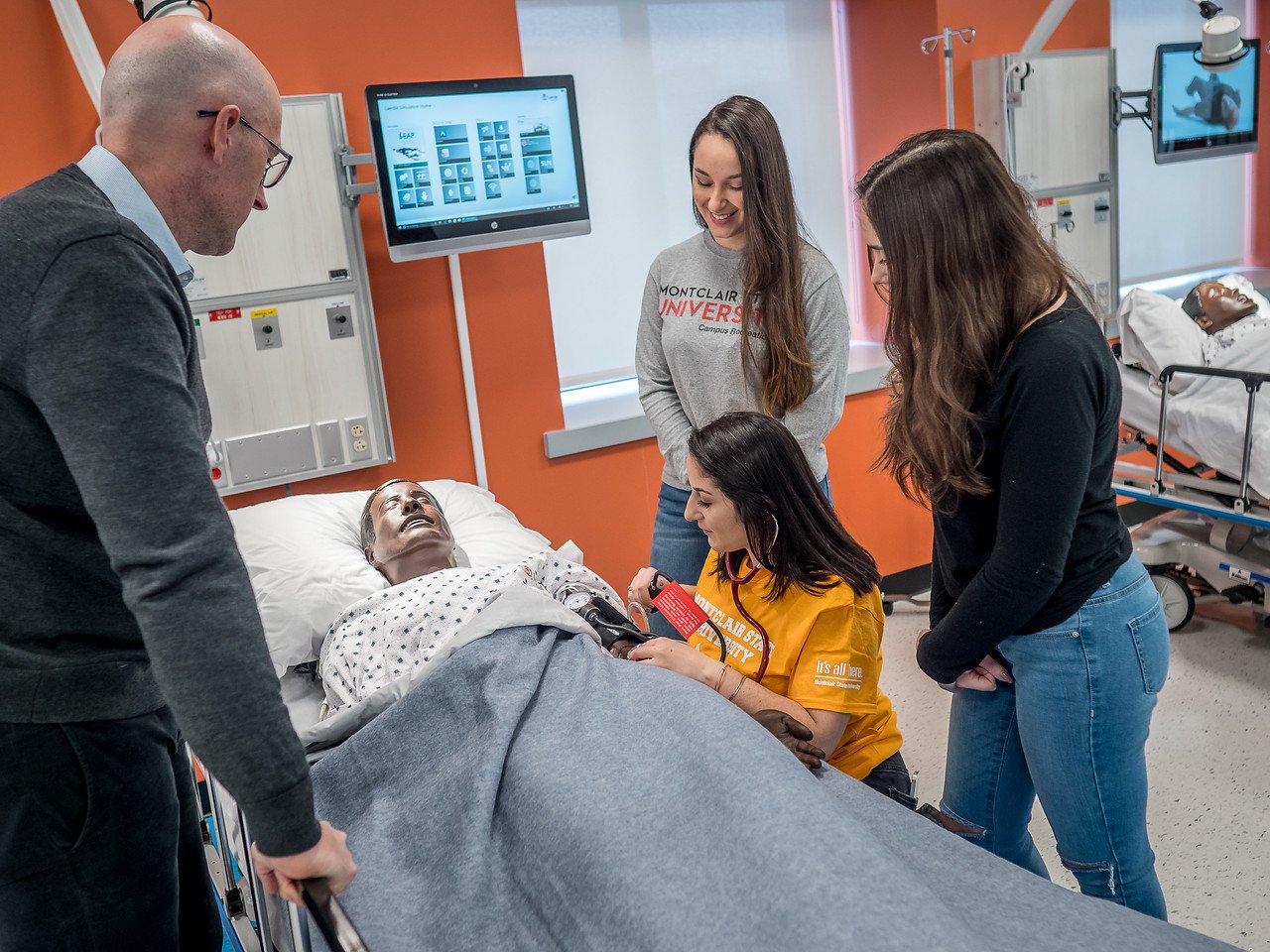
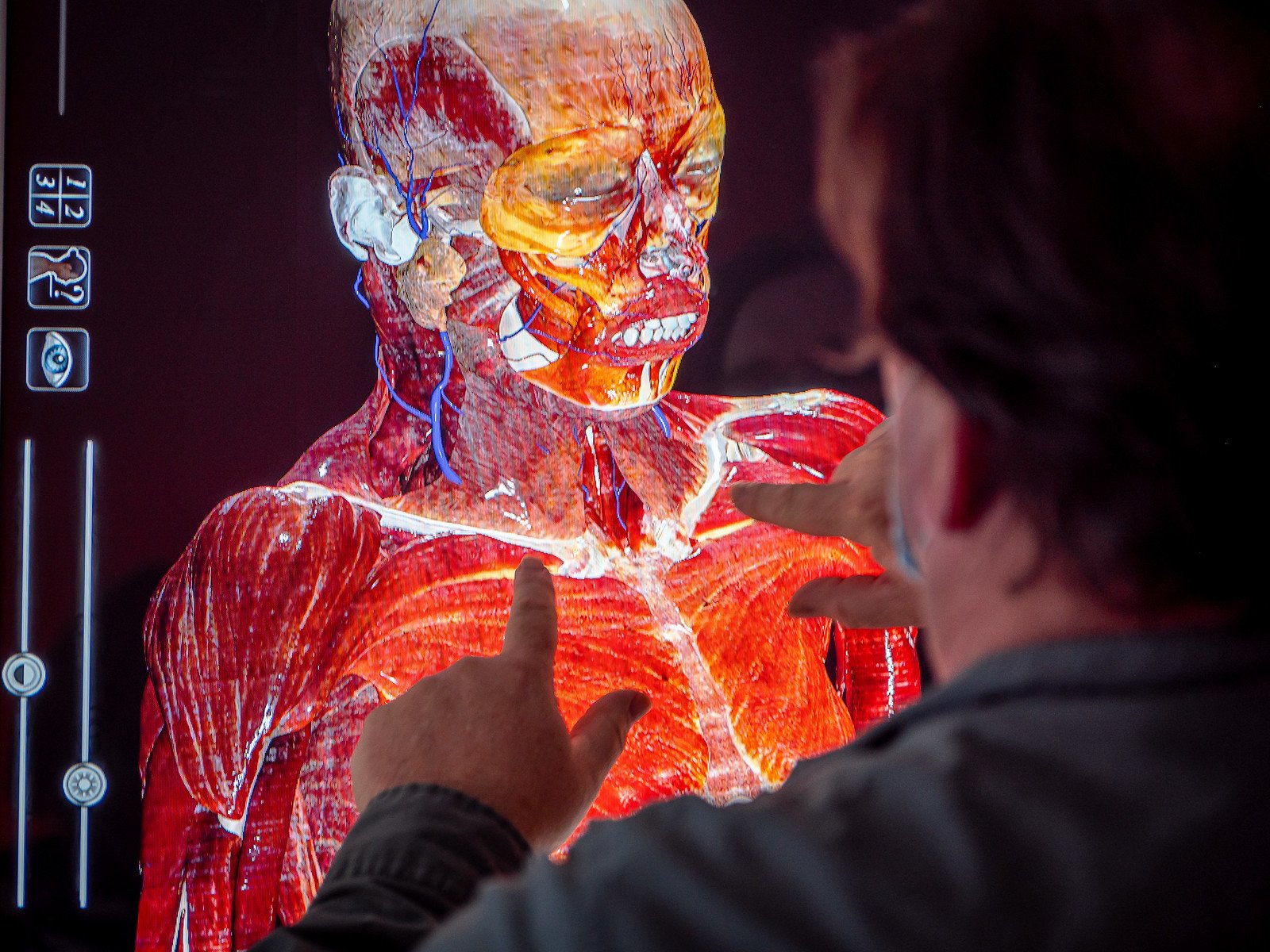
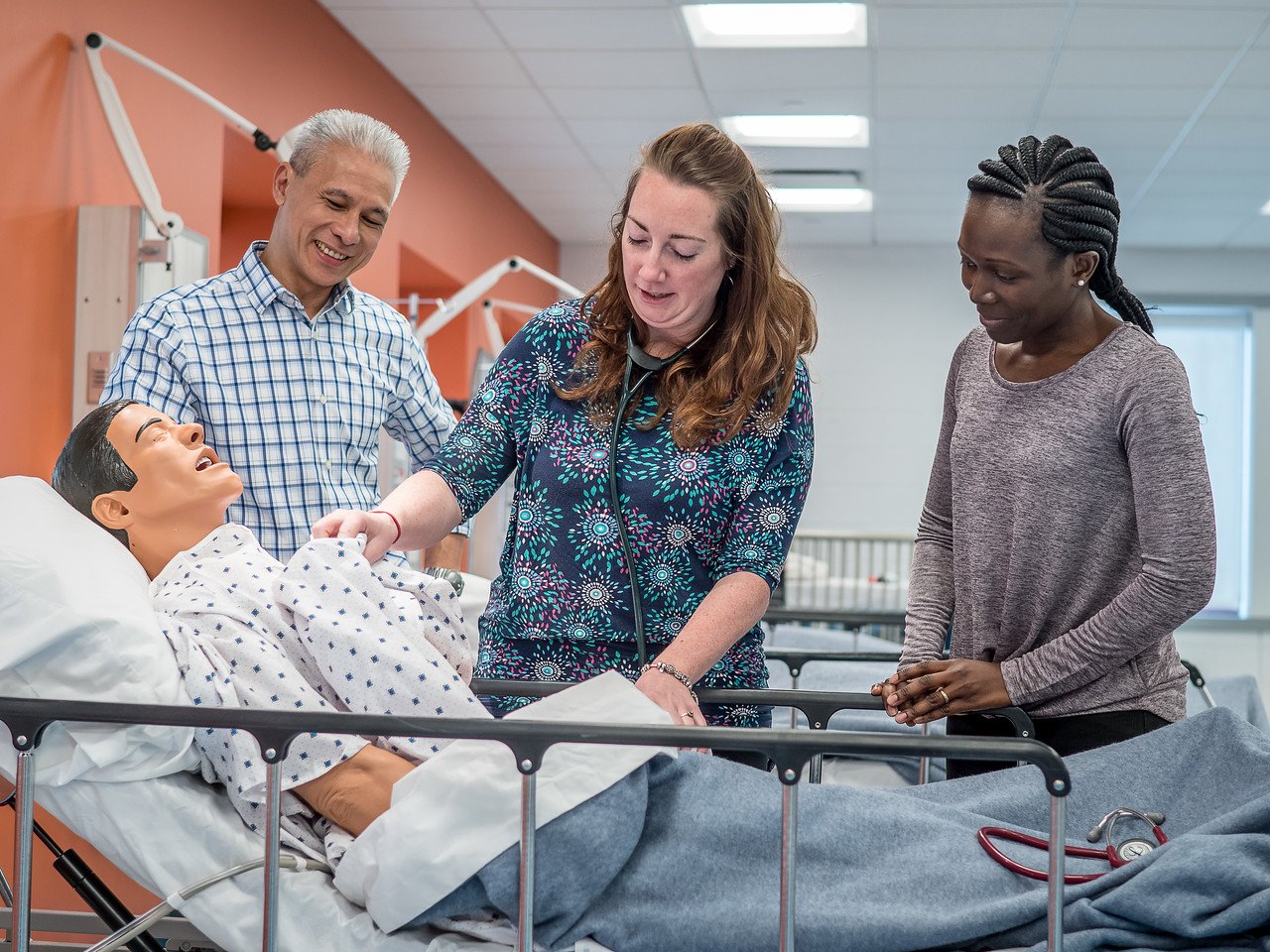
The Simulation Center at Montclair State University gives nursing students a safe place to practice clinical skills, build confidence, and prepare for real patient care. Through realistic patient scenarios, you will learn how to assess patients, communicate with healthcare teams, make clinical decisions, and respond to changing situations before entering clinical settings.
What is Simulation?
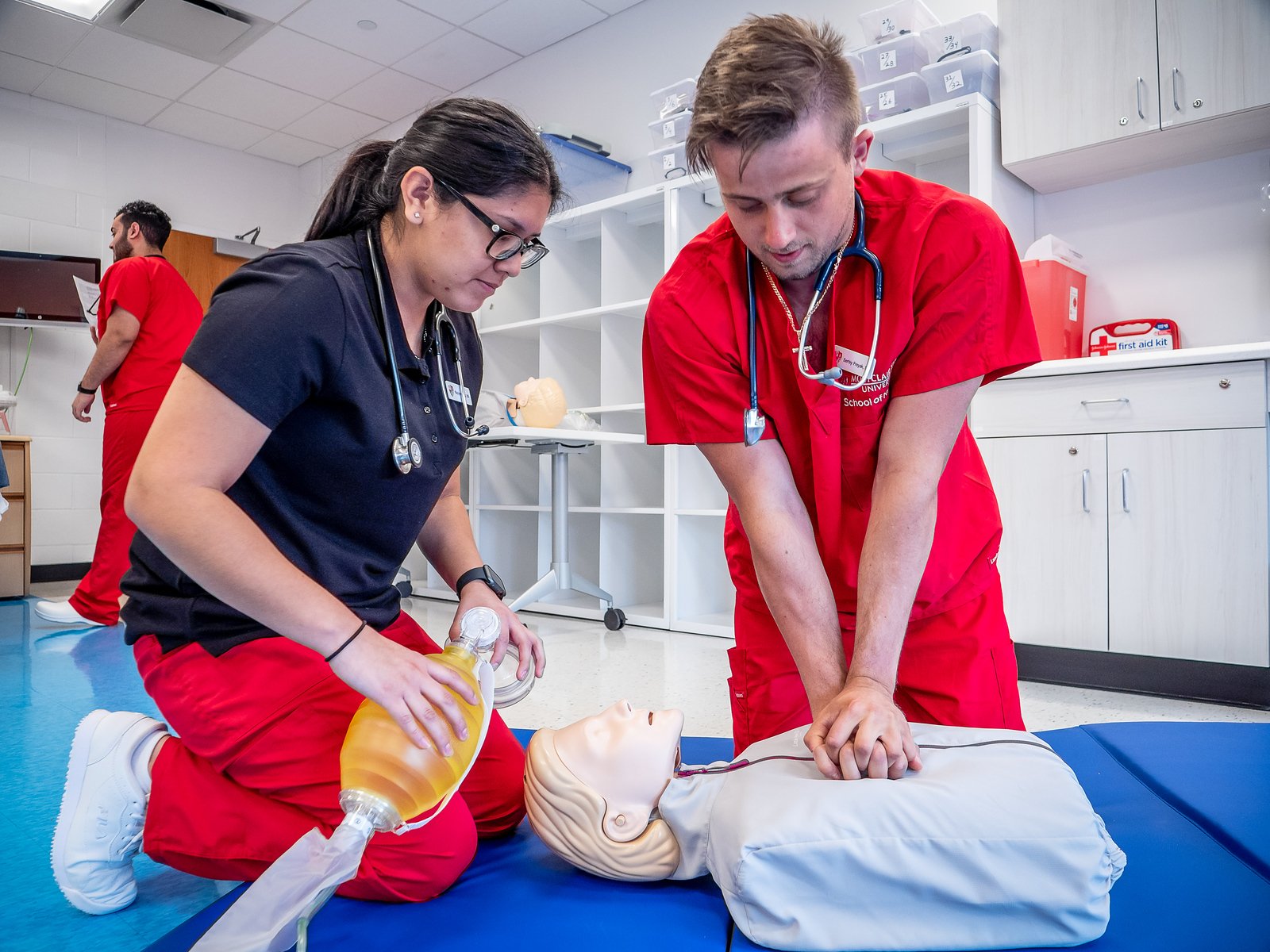
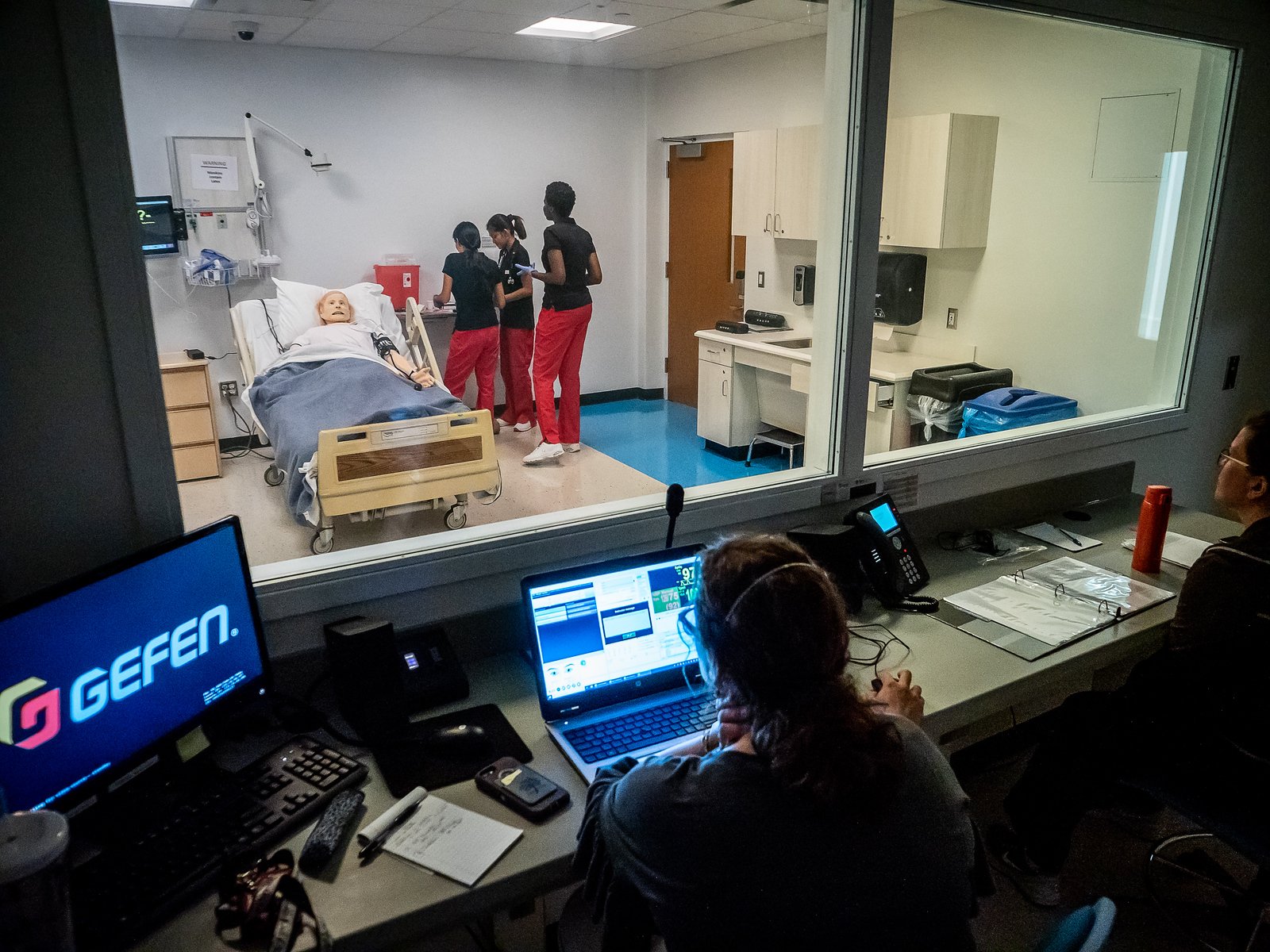
Simulation is a learning experience that allows you to practice nursing care in realistic situations using advanced patient simulators, technology, and guided feedback. You may care for a simulated patient that is experiencing a medical emergency with changing vital signs. After each simulation, you will work with instructors and classmates to reflect on your decisions and identify ways to improve.
During simulation experiences, you will practice how to:
- Communicate effectively with patients, families, and healthcare professionals
- Recognize changes in a patient's condition and determine appropriate actions
- Apply classroom knowledge to real-world clinical situations
- Build confidence with nursing skills and healthcare technology
- Work as part of a healthcare team
Before Your Simulation
To help you get the most from your simulation experience, please arrive prepared by following these guidelines:
- Arrive 10–15 minutes early
- Wear your clinical uniform unless instructed otherwise
- Bring required course materials
- Review assigned readings or patient information before your session
- Expect to participate in a prebrief, simulation scenario, and debrief
Before participating in simulation activities, all nursing students are expected to review the School of Nursing Student Handbook, which outlines the Center's policies, procedures, and expectations.
Learn Through Practice
Each simulation includes three phases:
- Prebrief: Review the patient scenario, learning objectives, roles, and expectations before beginning the simulation.
- Simulation: Work independently or as part of a team to assess the patient, make clinical decisions, communicate effectively, and provide appropriate care.
- Debrief: Reflect with faculty and classmates on your clinical decisions, communication, teamwork, and opportunities for growth.
Simulation is a safe learning environment where mistakes are expected and viewed as opportunities to develop clinical judgment. The goal is to learn, reflect, and improve, not to perform perfectly on your first try.
Explore our Spaces
The Simulation Center includes spaces designed to help you develop different areas of nursing practice:
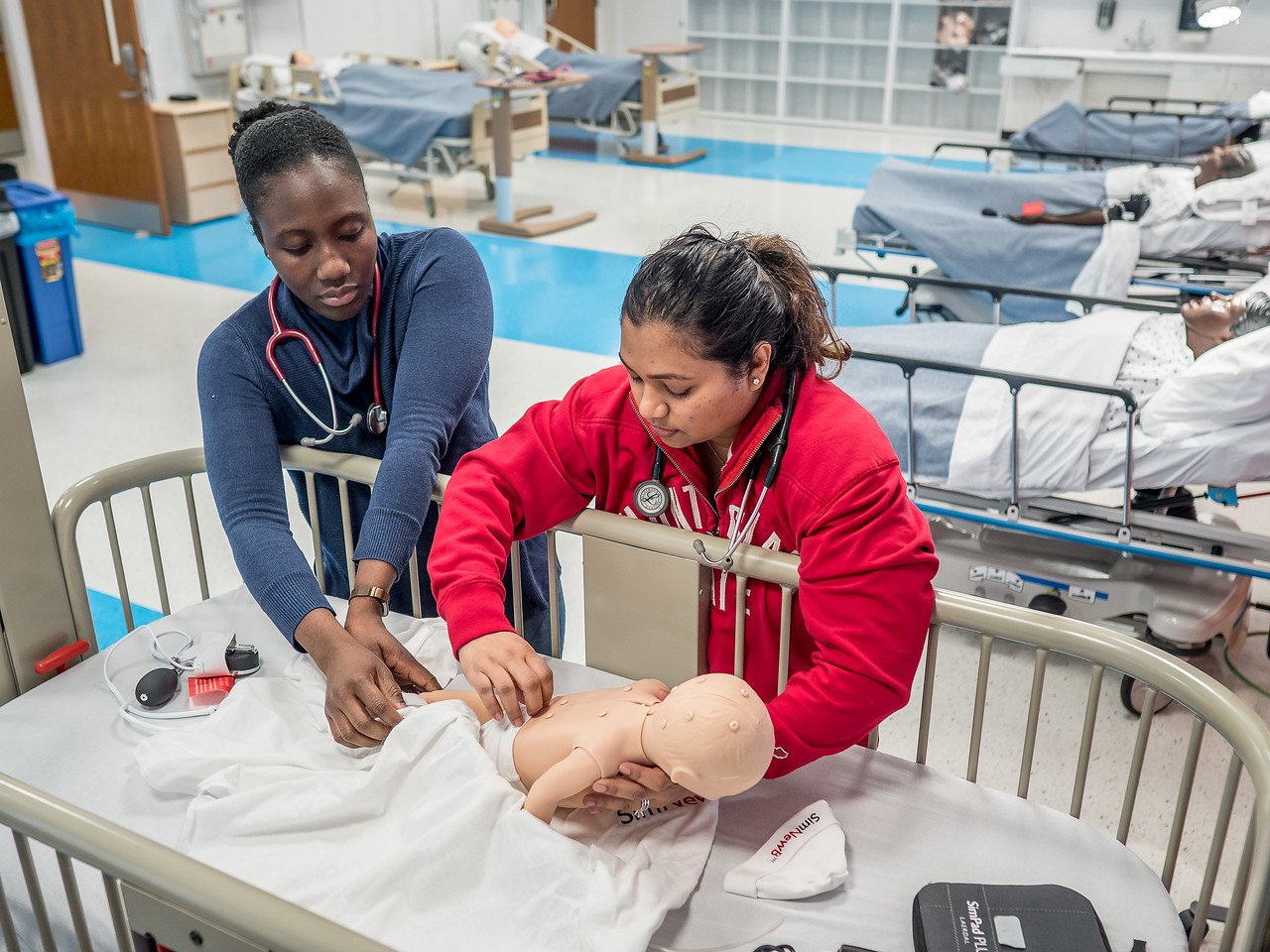
- Skills Laboratory: Practice essential nursing procedures such as assessments, medication administration, and patient care techniques.
- Home Health and Telehealth Suite: Practice caring for patients in home settings and using technology to support patient care.
- Simulation Rooms: Participate in realistic patient scenarios that help you develop clinical judgment and decision-making skills.
- Health Assessment Rooms: Build confidence performing physical assessments and communicating with patients.
Commitment to Quality
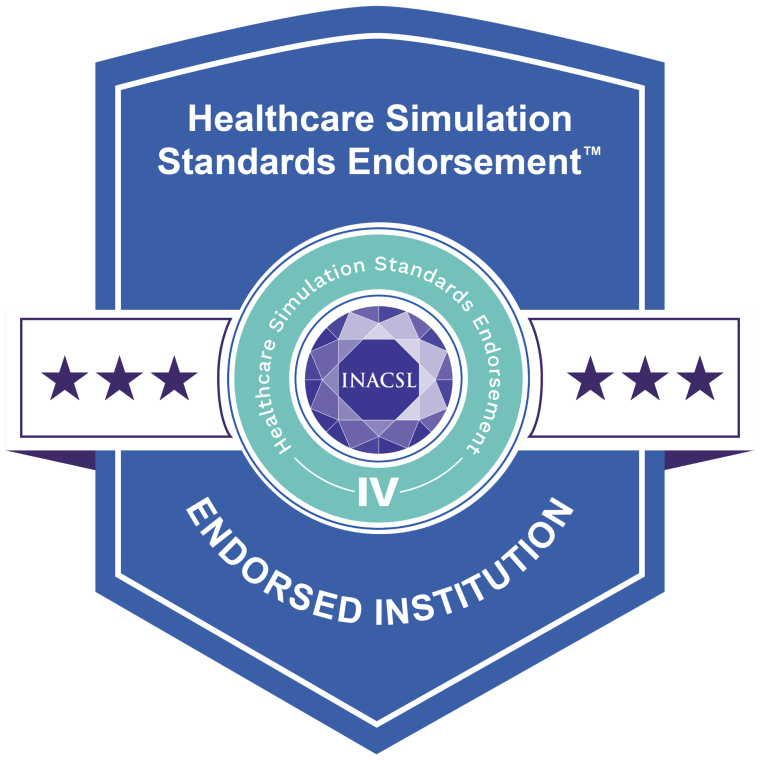
The Simulation Center is endorsed by the International Nursing Association for Clinical Simulation and Learning, recognizing its commitment to nationally recognized standards in simulation education. This endorsement reflects the Center's dedication to providing high-quality learning experiences that support student success and clinical preparation.
Open Lab Sessions
Attend an Open Lab session to practice hands-on nursing skills, strengthen your clinical confidence, and prepare for success in the classroom and during clinicals. Open Lab sessions are offered exclusively to students enrolled in a School of Nursing degree program.
Contact the Center
- Simulation Lab Manager
- gurriellj@montclair.edu
- 973-655-3617
- NURS 242
- Assistant Teaching Professor
- flynnje@montclair.edu
- 973-655-3622
- NURS 242