
Student Involvement
We believe that the past is important for understanding who we are today and thinking about where we as individuals and as communities would like to go. This understanding grows out of an appreciation of our collective human past, as well as the pasts of individuals, ethnic groups and nations.
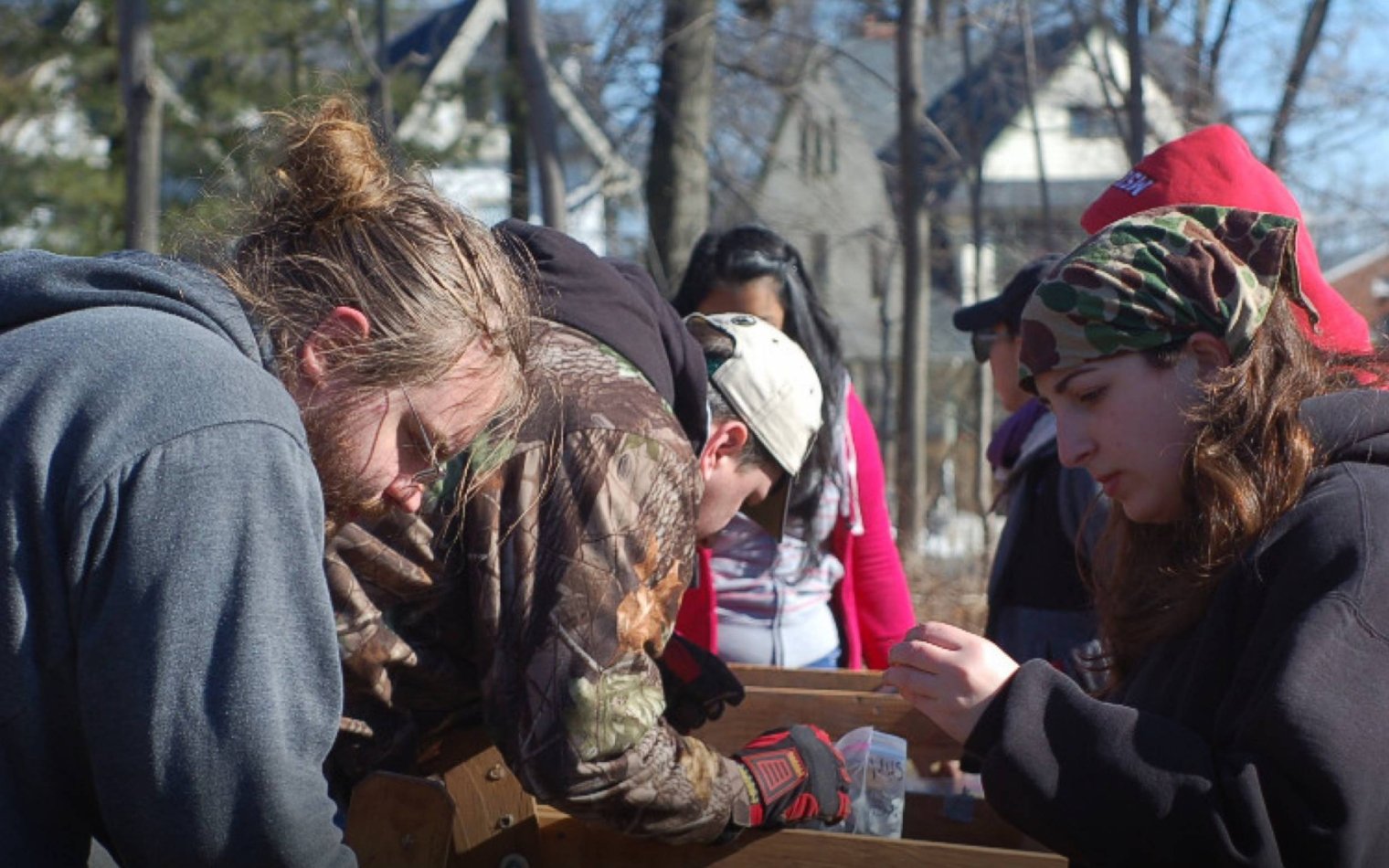
If you are a student at Montclair State or at another college or university, there are a number of ways you can participate in what we do:
- Come to one of our lectures or other public events. Our Archaeological Institute of America (AIA) and “An Interest in the Past” series explore a wide range of archaeological and heritage issues, from prehistory to modern times.
- Take a course in our interdepartmental Archaeology Minor program, sponsored by Anthropology, Classics & Humanities, Art & Design (Art History), and Earth & Environmental Studies.
- Help us process and classify artifacts from excavation projects in the New York-New Jersey area.
- Join one of our for-credit archaeological field schools in New Jersey or abroad. Our field school at the “Villa of the Antonines,” is a second century CE site near Rome.
- In conjunction with Anthropology, the Center has also sponsored field schools right on the University campus or in the Montclair area and hopes to continue this tradition.
As an interdisciplinary center, we believe that differences make us stronger. Therefore, it is important to promote understanding among academic disciplines that work alongside one another but not always in concert. When we come together, we gain greater understanding about the many ways in which culture and environment influence our development and our view of the past, as well as of ourselves.
Get Involved
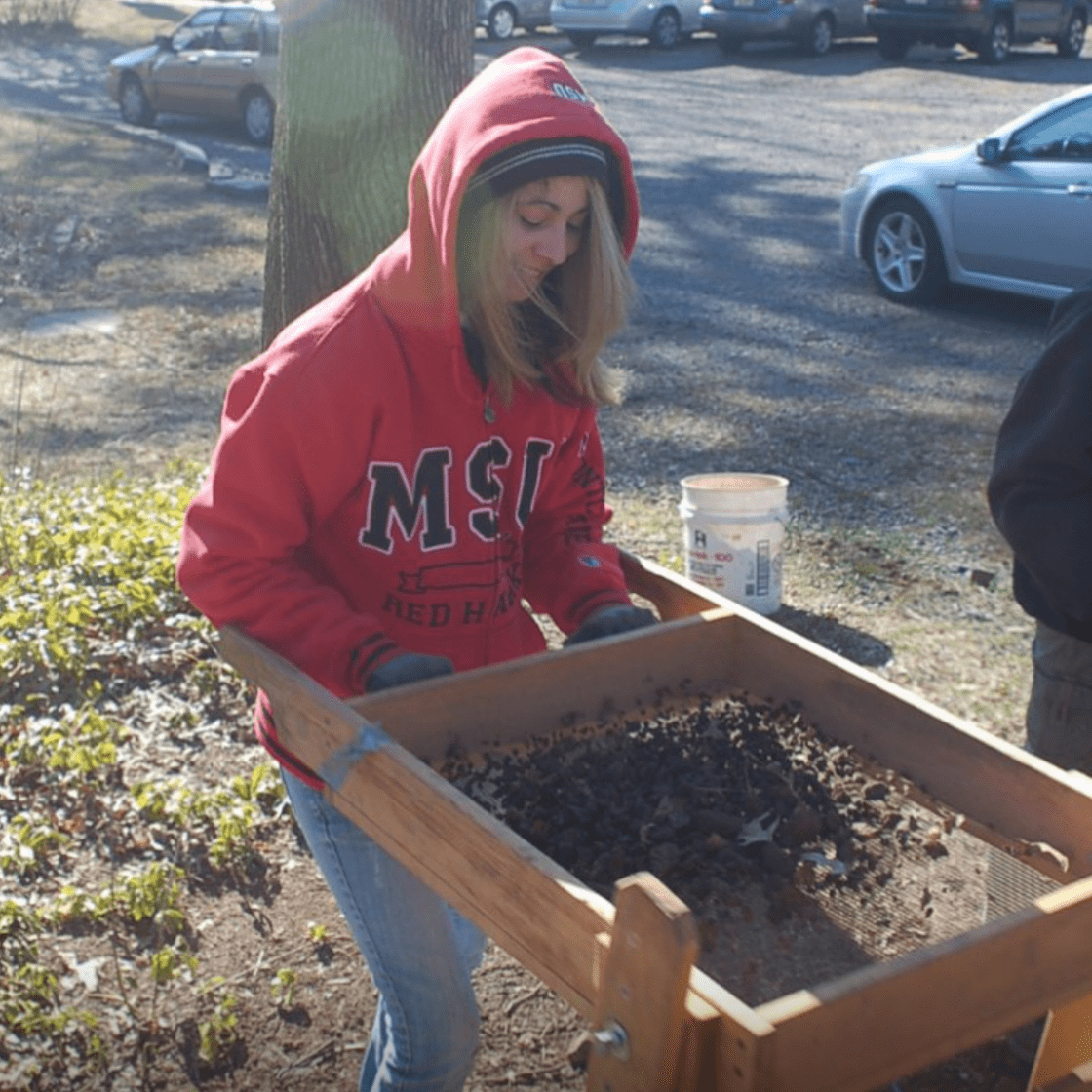
Archaeology in Montclair
The Archaeology in Montclair project provides students with hands-on training in historical archaeology and the opportunity for service learning with community partners working to learn and preserve local history.
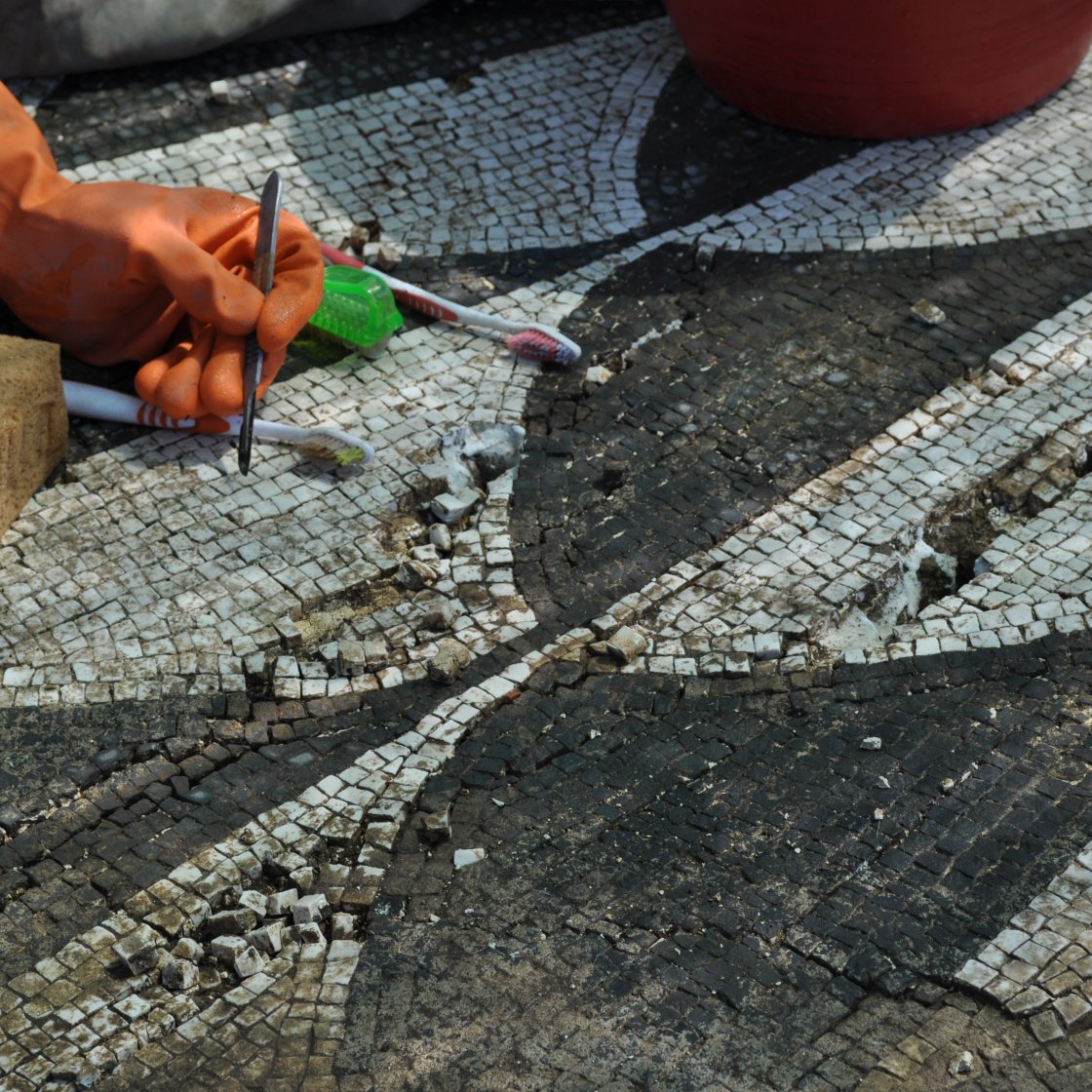
Villa of the Antonines Field School
This archaeological field project in Genzano di Roma, Italy, first started in 2010, explores the remains of a Roman imperial villa located close to Rome, at the 18th mile of the ancient Via Appia in the Alban Hills region.
Experimental Archaeology
Archaeology is the study of the human past. As such, archaeologists cannot directly observe the behavior of past peoples but must make reasoned inferences leading toward understanding and explaining patterning in the archaeological record. Many methods are used by archaeologists to produce plausible reconstructions of past human behavior. Archaeology by experiment is one way that investigators gain valuable insights into how people did things in the past.
ANTH370 introduces the concepts, methods and theory of experimental archaeology. In this course, students explore the history of experimental archaeology through a series of case studies. The methods and goals of experimental archaeology will be compared to the closely related field of ethnoarchaeology.
Through selected readings and hands-on experiments, ANTH370 explores these fundamentally important questions asked by archaeologists:
- How do archaeologists know what they know?
- How is the archaeological record formed?