
Center for Heritage and Archaeological Studies
CHAS brings together scholarly research, education and public outreach with a broad focus on heritage, identity and community engagement.
About the Center
Heritage is a hot topic. It has become a major focus of interest nationally and internationally and draws on such fields as archaeology, ethnology and history. Issues of fundamental importance in community organization and structure that link past to present include in- and out-migrations of distinct ethnic groups; co-mingling and merging of ethnic groups resulting in new social formations; and social, economic and political inequalities.
In short, we view the concept of “community” not as a bounded, self-contained entity but as a mosaic of interacting and continually evolving social and ethnic formations. Snapshots of the mosaic at different points in time provide a framework for investigating historical changes in the community. This diachronic perspective allows an examination of the larger regional, and perhaps global, context that figures strongly in the changing complexion of a community.
The Center for Heritage and Archaeological Studies (CHAS) brings together scholarly research, education and public outreach with a broad focus on heritage, identity and community engagement. Our core is a group of Montclair State University faculty members from Anthropology, Classics and General Humanities and Earth and Environmental Studies. Our work ranges from archaeological excavations to interviews of descendant community members, to collaboration with museums and historical societies.
Our Goals
The Center for Heritage and Archaeological Studies at Montclair State aims to:
- Promote research, including local field schools, public programs, exhibits, lectures and workshops.
- Engage students, scholars and the local community in these efforts.
- Develop new paths for outreach to the community (including schools, nonprofit organizations and institutions, and the general public).
- Involve a wide range of disciplines in our work, including scholars and practitioners of the humanities and social sciences, the natural sciences, the arts, archaeology, heritage studies and preservation, and the management of cultural resources (CRM).
Our Projects
Geographically, our work takes place in New Jersey and surrounding areas, as well as in other parts of the world where faculty, students and community members with common interests are engaged.
On campus, we offer an interdisciplinary minor in archaeology that incorporates courses in these departments as well as several taught by the Art History faculty, and we sponsor two ongoing lecture series on archaeology and heritage studies.
Off-campus, our work ranges from archaeological excavation to public programs for students and community to collaboration with museums and historical societies. Geographically, our current work takes place in three widely separated parts of the world: the New York-New Jersey area, the Caribbean and the Mediterranean.
Learn More About Our Work
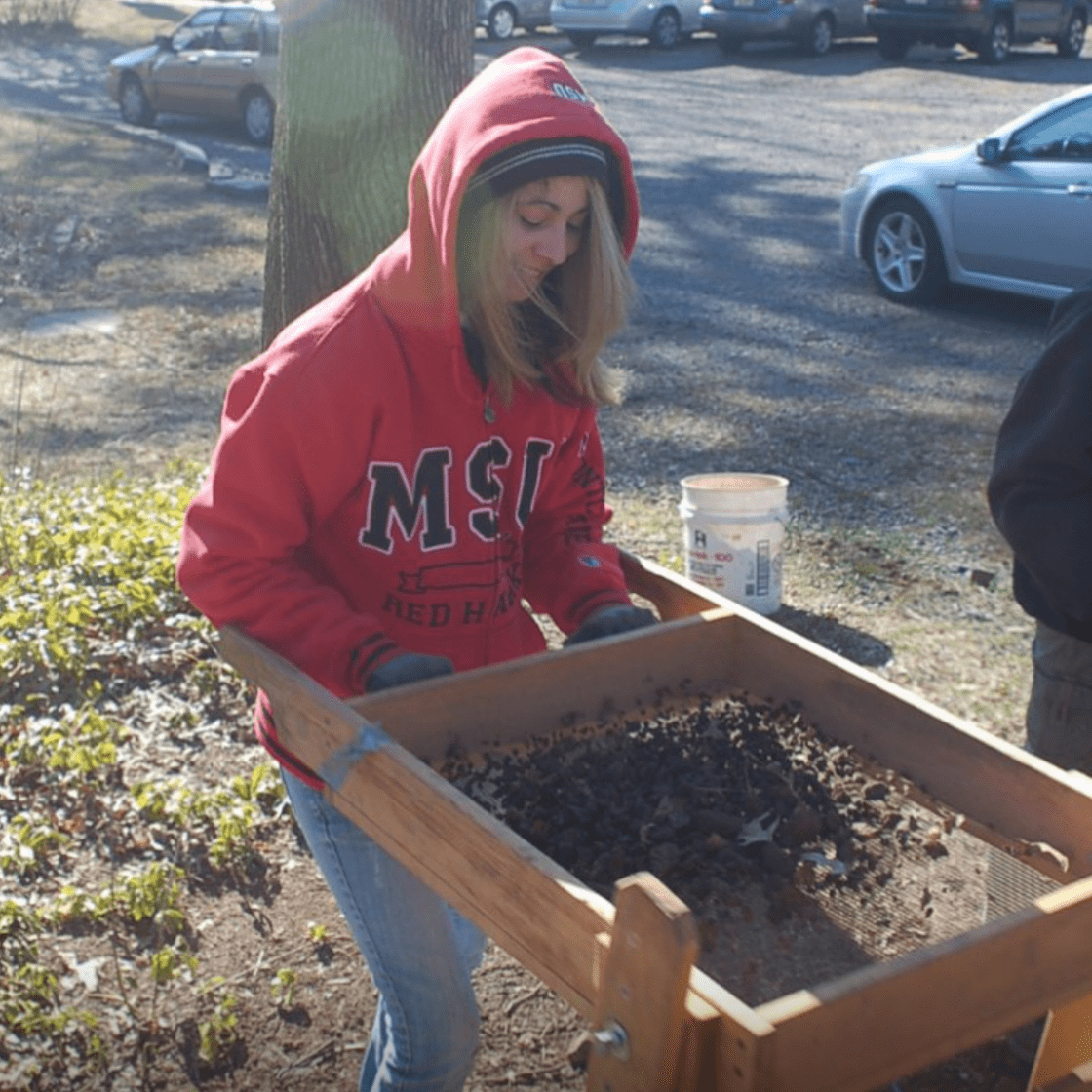
New York and New Jersey
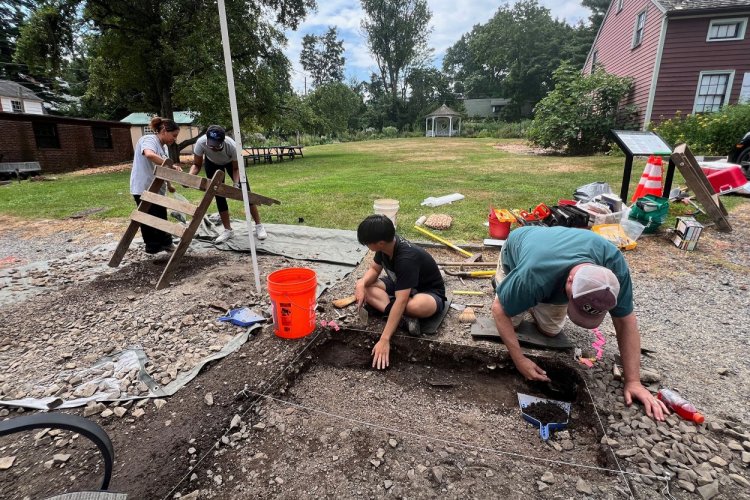
Archaeological projects in New Jersey and New York engage faculty and students in collaborative research with local communities, historical organizations and preservation groups. Through excavation and archival research, these projects help document, preserve and interpret the region's rich cultural and historical heritage.
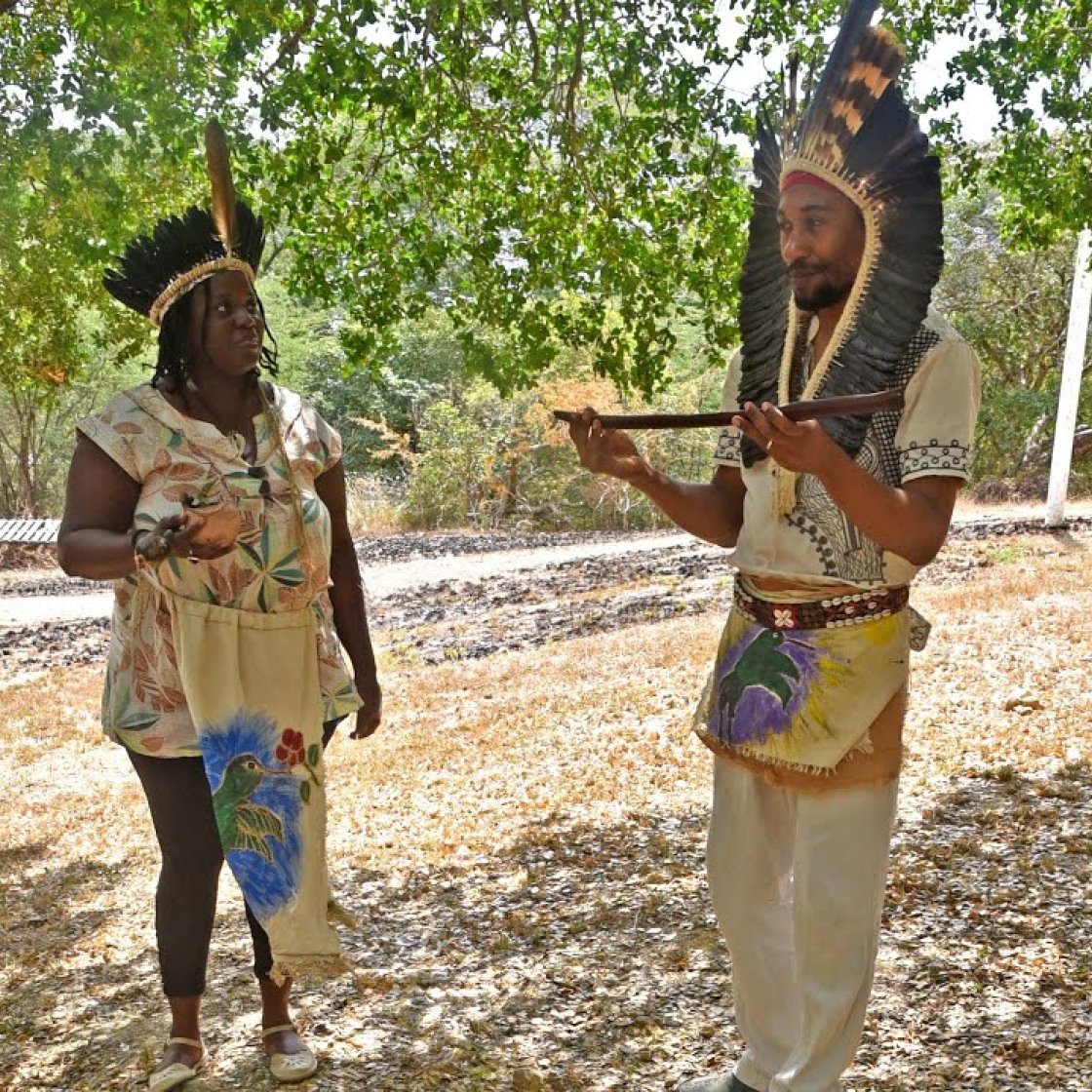
The Caribbean
In the Caribbean, CHAS faculty have been engaged in a long-term, multidisciplinary project that addresses human-land relations, ranging from the earliest known settlements, dating to ca. 6000 BCE, to early colonial occupations in the sixteenth and seventeenth centuries.
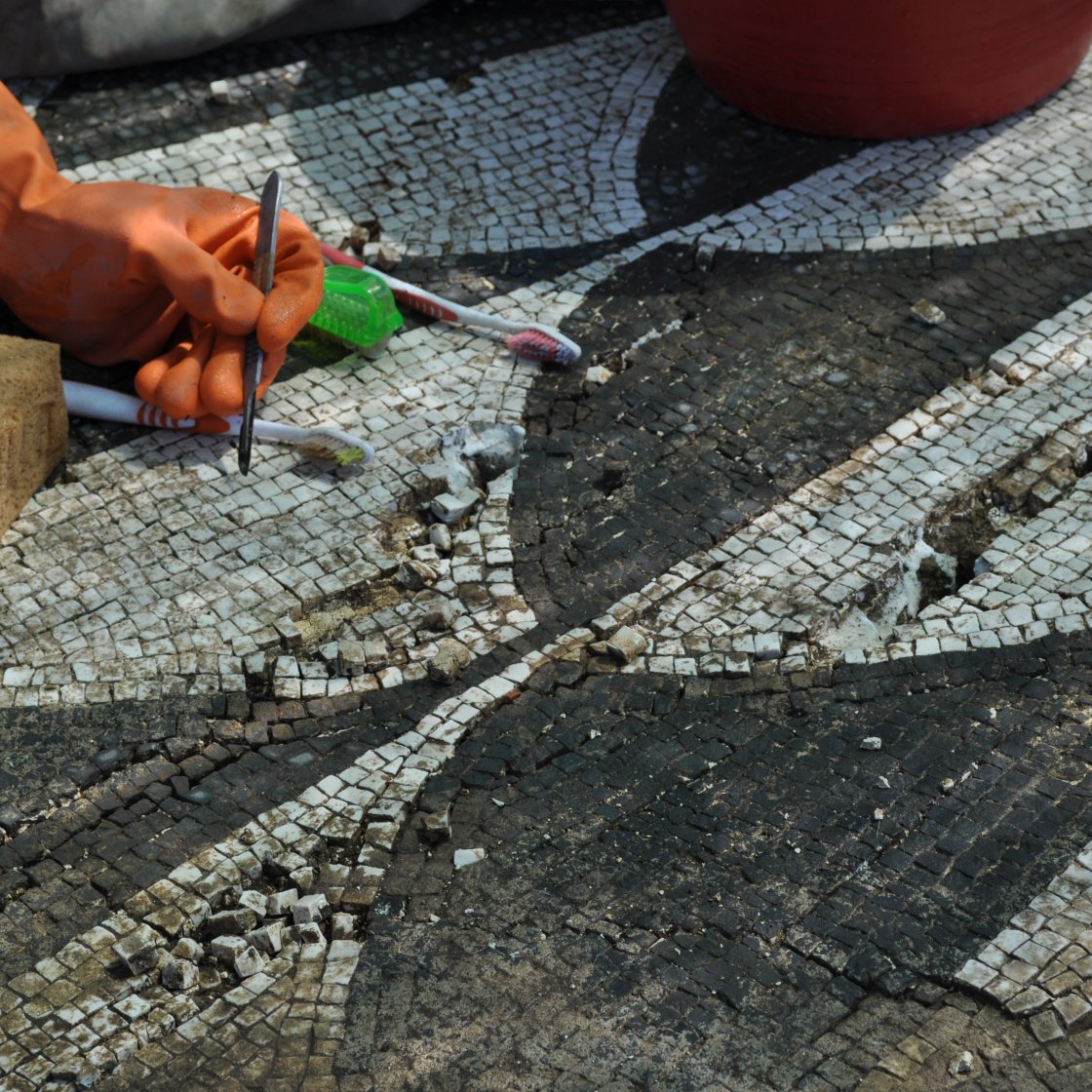
Italy
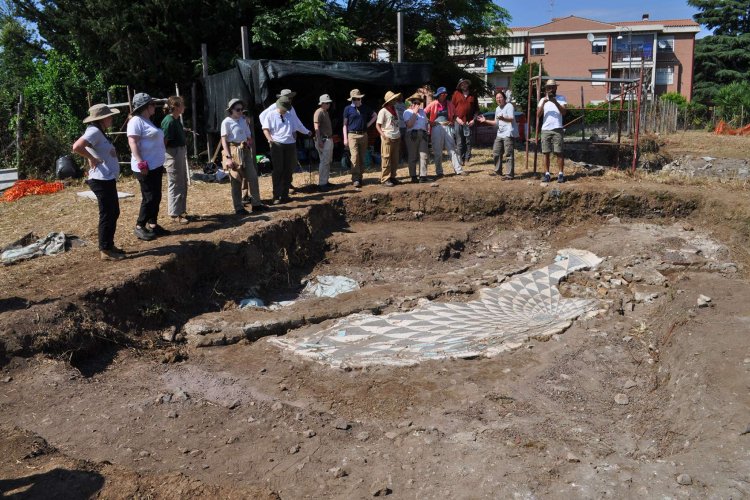
Since 2010, CHAS has been conducting the “Villa of the Antonines” Project in Italy. This project is aimed at exploring a Roman imperial villa complex located on the outskirts of Rome at the 18th mile of the ancient Via Appia, in the modern town of Genzano di Roma.
Meet Our Faculty

Deborah Chatr Aryamontri
- Associate Professor

Christopher Matthews
- Chairperson

Greg Pope
- Professor

Peter Siegel
- Professor
In the News
-
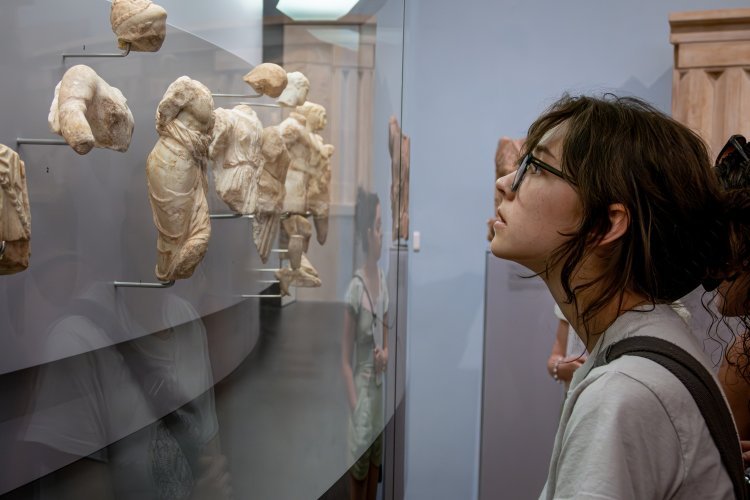 Student Success Stories
 -
-
Contact Us
Center for Heritage and Archaeological Studies
CHAS brings together scholarly research, education and public outreach with a broad focus on heritage, identity and community engagement.
- chas@montclair.edu
- 973-655-3479
- 10 Normal Ave, Upper Montclair, NJ 07043