
A Documentary about the 1943 Allied Landing in Sicily
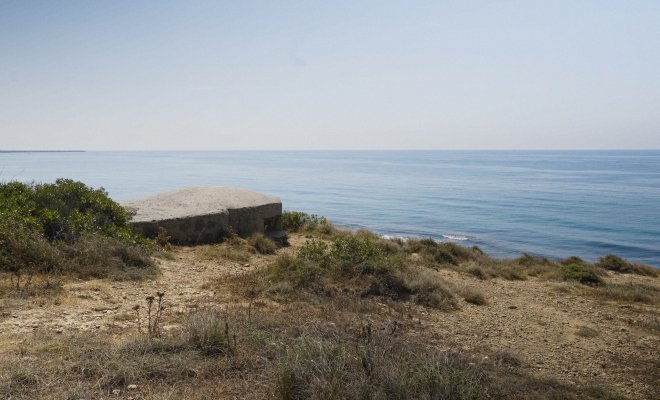
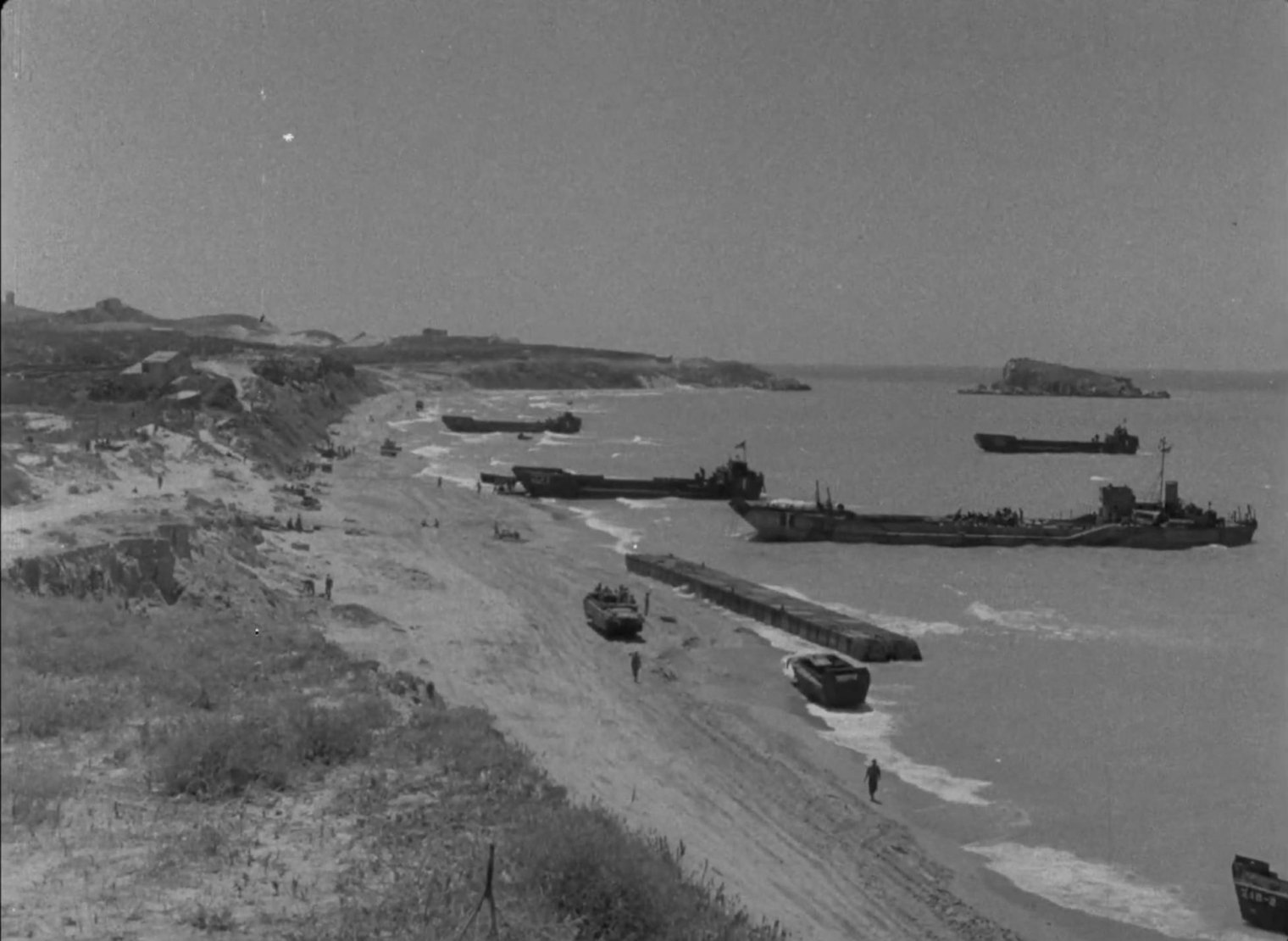
Scenes from an Invasion (working title) is a documentary exploring the contested memories of the 1943 Allied landing in Sicily.
Across the island, witnesses, historians, collectors, and artists revisit a complex and pivotal military campaign that remains largely absent in mainstream narratives of the Second World War. Their testimonies, set against a rich tapestry of archival footage, reveal how deeply the war remains rooted in the Sicilian social fabric and cultural memory.
As the perspectives accumulate, the distinction between a campaign of liberation and of invasion begins to break down—even as Operation Husky culminated in the fall of the Fascist regime, it brought bombardment, occupation, and death.
The film examines how these contrasting readings coexist in present-day Sicily, and how history is constantly rewritten by what we preserve, what we forget, and everything that falls in between.
Treatment
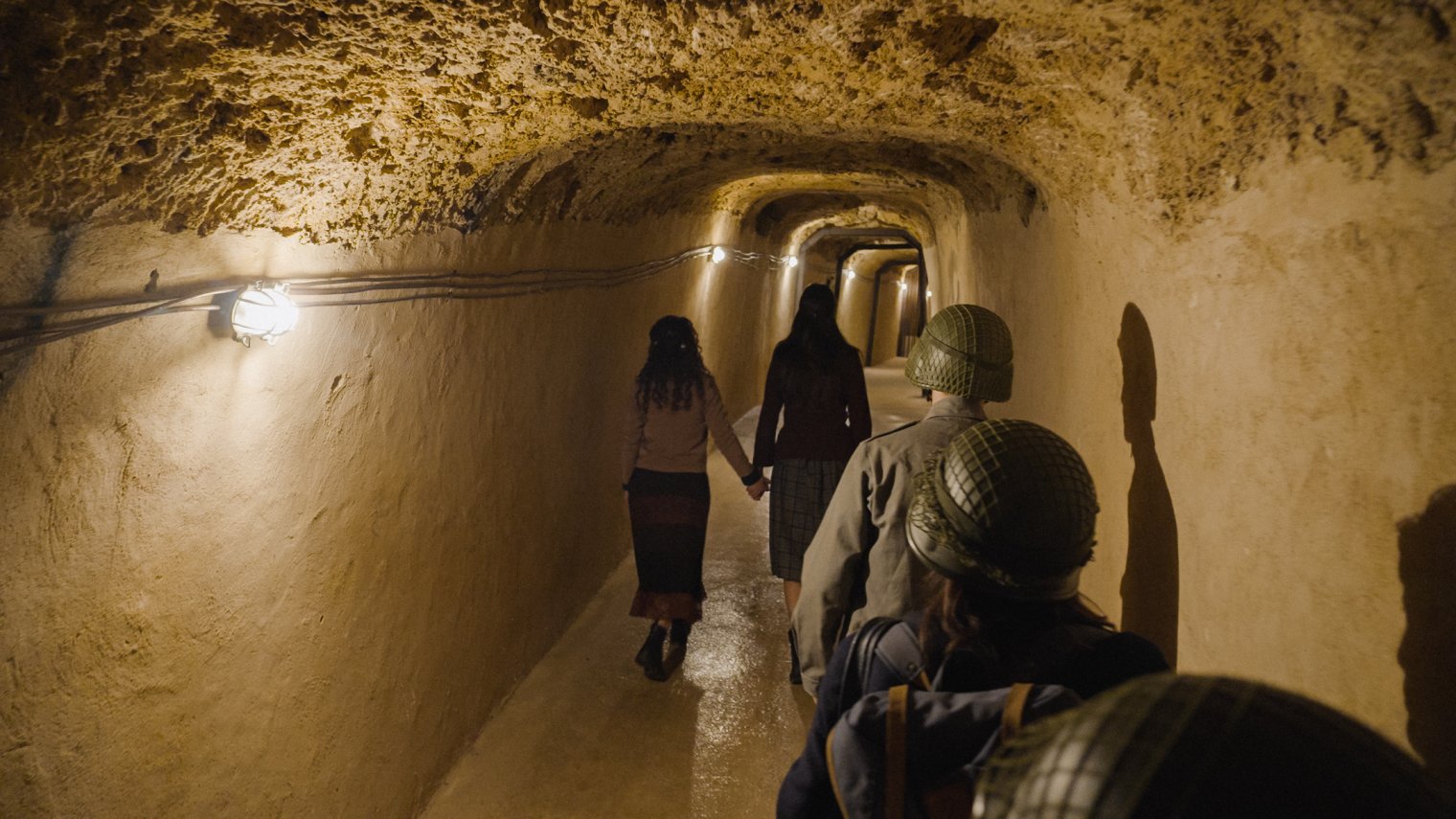
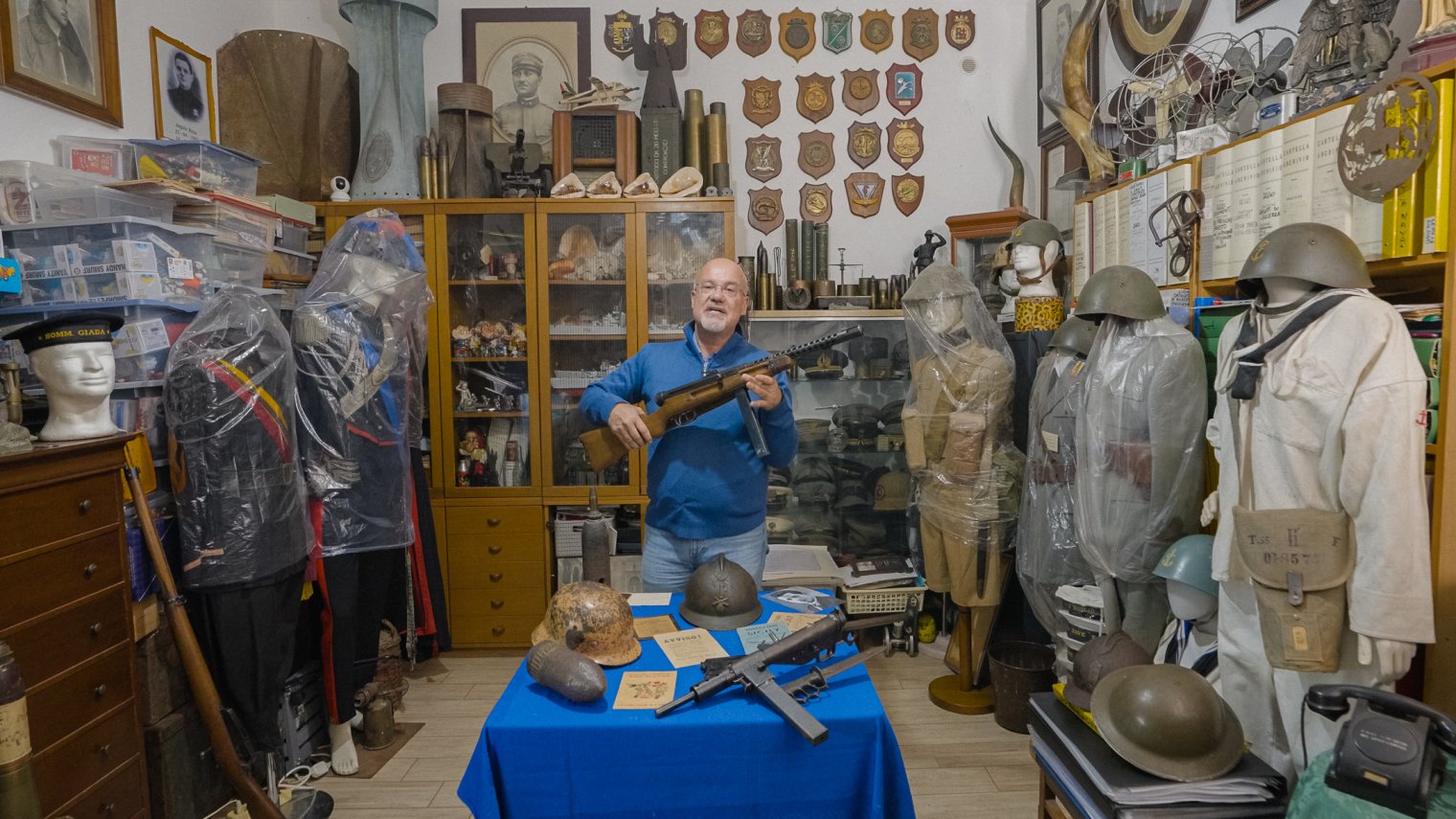
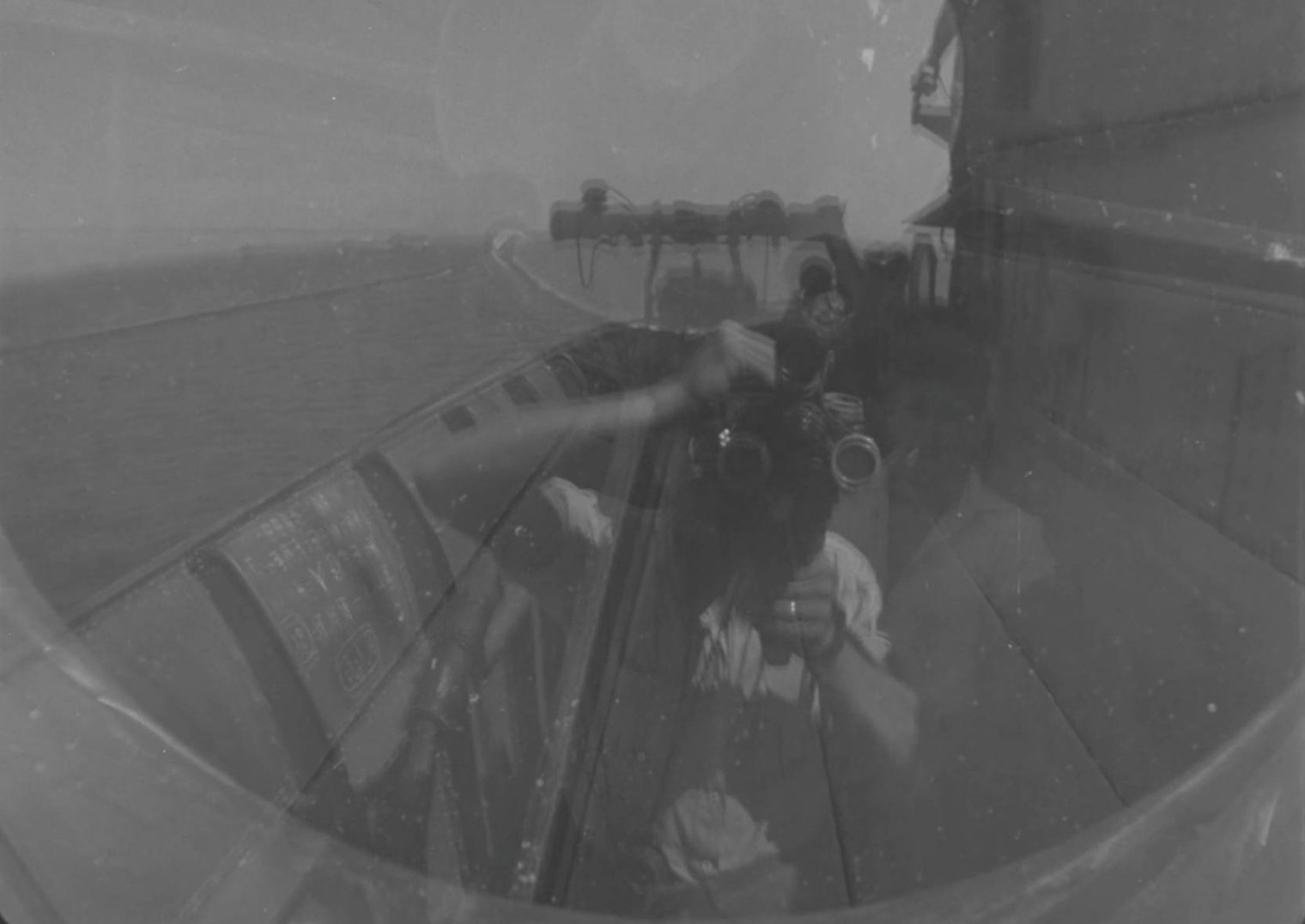
On the night of July 9th, 1943, the coastlines of Sicily became the theater of a watershed event in the course of the Second World War. The Allied landing that began that night, code-named Operation Husky, marked the beginning of the end of the Axis powers’ hold on Europe as a whole. Yet, despite the unprecedented deployment of amphibious military force—160,000 soldiers from across the world, 14,000 vehicles, 600 tanks, 1,800 artillery pieces, 4,000 aircraft, and over 2,500 ships—this event remains largely overshadowed in public memory by the Normandy Landing in 1944. At the same time, a contested memory caught between celebrations of liberation and condemnations of invasion remains strikingly vivid in the conscience of Sicilians. The documentary sets out to reinsert this event into the timeline and geography of Second World War at large, bringing personal and family memories into the public arena while placing them in dialogue with scholarly and institutional historiography.
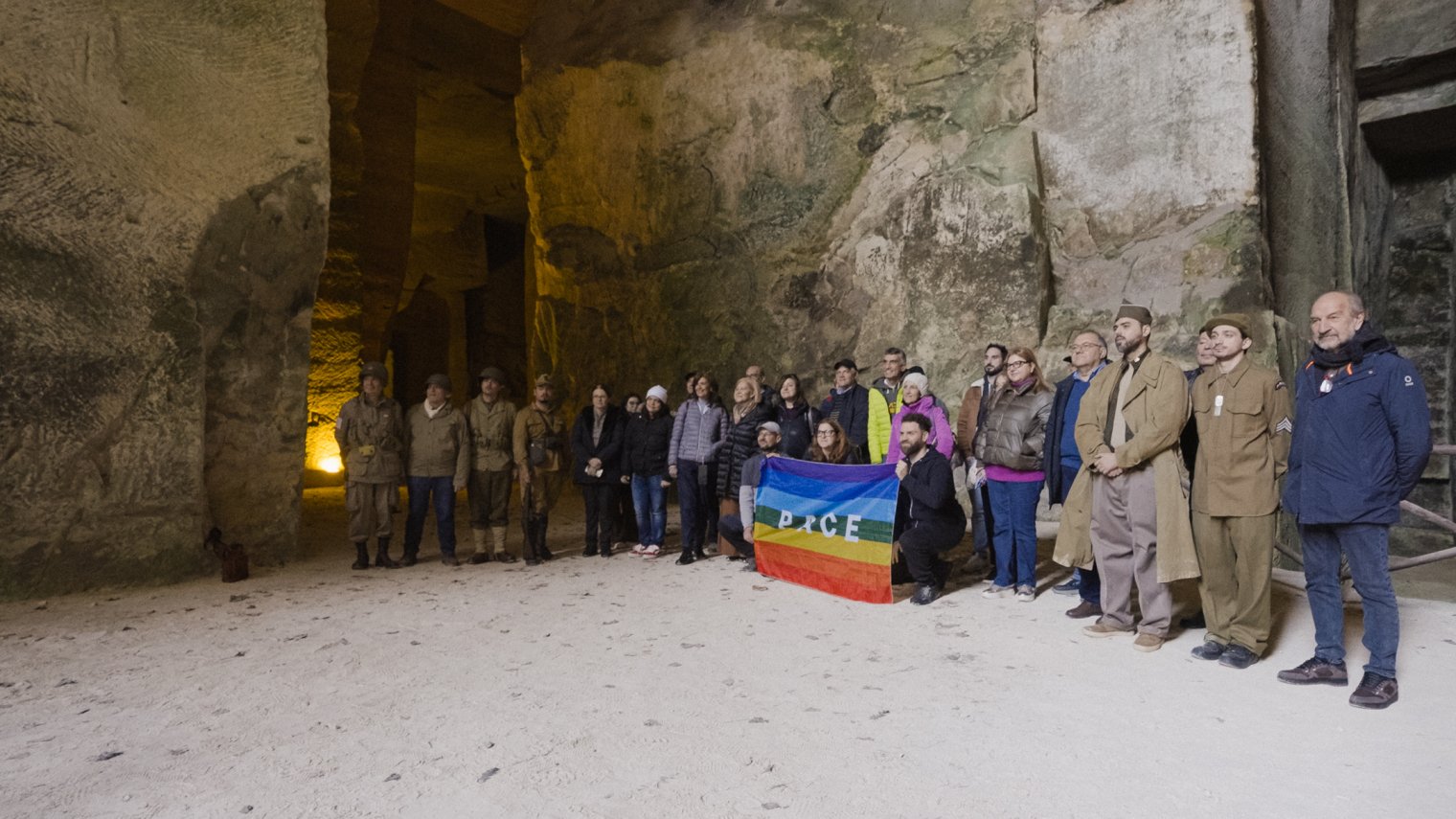
On one level, the documentary traces a visual journey through the military archaeology left behind by the conflict in almost every corner of the island: bunkers along the coasts of the initial landings in the provinces of Agrigento and Caltanissetta; air-raid shelters in the vicinity of Ragusa; weapon depots, airstrips, and artillery batteries near Siracusa; military cemeteries in Catania; battlegrounds in the mountainous central province of Enna; and bomb-damaged neighborhoods in Palermo and its environs. Together, these places are silent reminders of a history whose material traces continue to open onto stories, memories, and unresolved meanings.
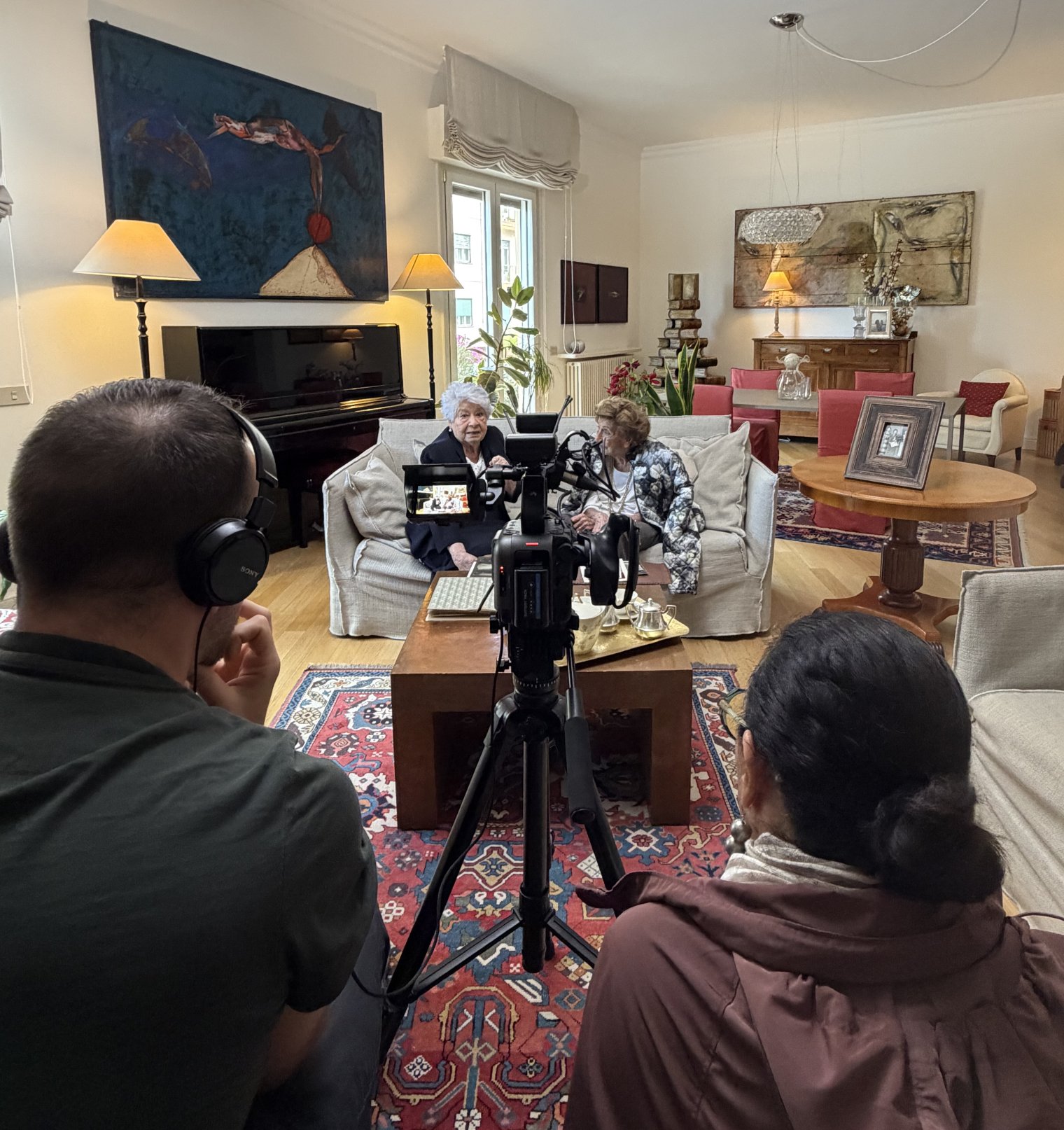
In and around these places, the documentary’s core narrative relies on oral contributions from a diverse range of stakeholders in a collection of autonomous yet interconnected case studies. We encounter these characters in a specific work or life context that illustrates different relationships to the memory of war: in the Sicilian Channel, a scuba-diver-turned-archeologist navigates an underwater landscape of sunken aircraft, recovering alongside them stories of the men who disappeared at sea; an aristocrat recalls his family’s easy rapport with Allied troops in his countryside estate full of wartime artefacts; nostalgic supporters of the Italian king and his defeated army honor the defenders’ heroism by restoring neglected gravesites; victims of the bombings of Palermo—now in their mid-90s—reflect on the terror and displacement they experienced; a theater company recreates the sights and sounds of the air raids in a restored underground shelter; tour guides incorporate wartime history into local tourist itineraries; a restaurant owner prepares for a group of visitors a meal said to have been served to General Patton; surrounded by the cabinets of an intimate archive, a teacher reads the handwritten reflections of teachers who worked there during the war, preserved in the school registers; a museum director walks us through the rooms and collections of the only official institution devoted to the Landing; a Willys jeep putters out of a dusty garage as war reenactors don the uniforms of U.S. GIs and drive to a meetup.
The documentary moves simultaneously in space and in time, alternating a chronology of military operations with thematic and conceptual threads. Undergirding this progression are layered sequences of historical footage that offer a glimpse of the conflict through the lenses of those directly involved. These propagandistic combat films and newsreels were produced by the media arms of both sides to construct competing narratives: on one side, overwhelming military and moral victory by forces of liberation; on the other, impassioned patriotic resistance against dishonorable invaders. Dissected and recomposed in the documentary, these images bring to the surface interpretive tensions that remain active to this day, while inviting viewers into an immersive, half-real and half-imagined 35mm wartime audiovisual landscape.
At the intersection of these throughlines, the documentary emerges as a choral work able to highlight individual voices as much as weave echoes of the past into a shared story. As present-day practices, landscapes, and memories meet the archival record, each reshapes the other, revealing the fragile distance between a war that has ended and a peace that still carries its scars.
Directors’ Statement
The iconic images from American newsreels of Allied soldiers distributing candy, chocolate bars, and cigarettes in exchange for joyful smiles and red wine begin to blur amid the documentary’s interviews and archival images of devastation. What emerges instead is a complex mosaic of experiences and perspectives, as the role and impact of the landing remain contested across different socioeconomic positions, political leanings, and historiographic approaches. Was Sicily occupied or liberated? What was the role of the mafia in the Landing and its aftermath? Were Sicilians supportive of the regime or ready to embrace the Allies? Did Operation Husky succeed because of its unprecedented scale, or was it an error-filled rehearsal that helped make the Normandy landings more effective? Were Sicilians truly starving and dependent on American canned food for survival, or did local systems of subsistence prove more resilient than the familiar narrative suggests? Were the Allies a friendly or an aggressive presence? When they finally landed, how did Sicilians reconcile their arrival with the deadly destruction caused by Allied bombing? And, ultimately, why has the Landing in Sicily been so absent from mainstream retellings of the war, both in Italy and in the U.S., while so many rich memories and compelling stories emerge once one begins exploring the island’s landscapes today? These are some of the questions the film sets out to explore.
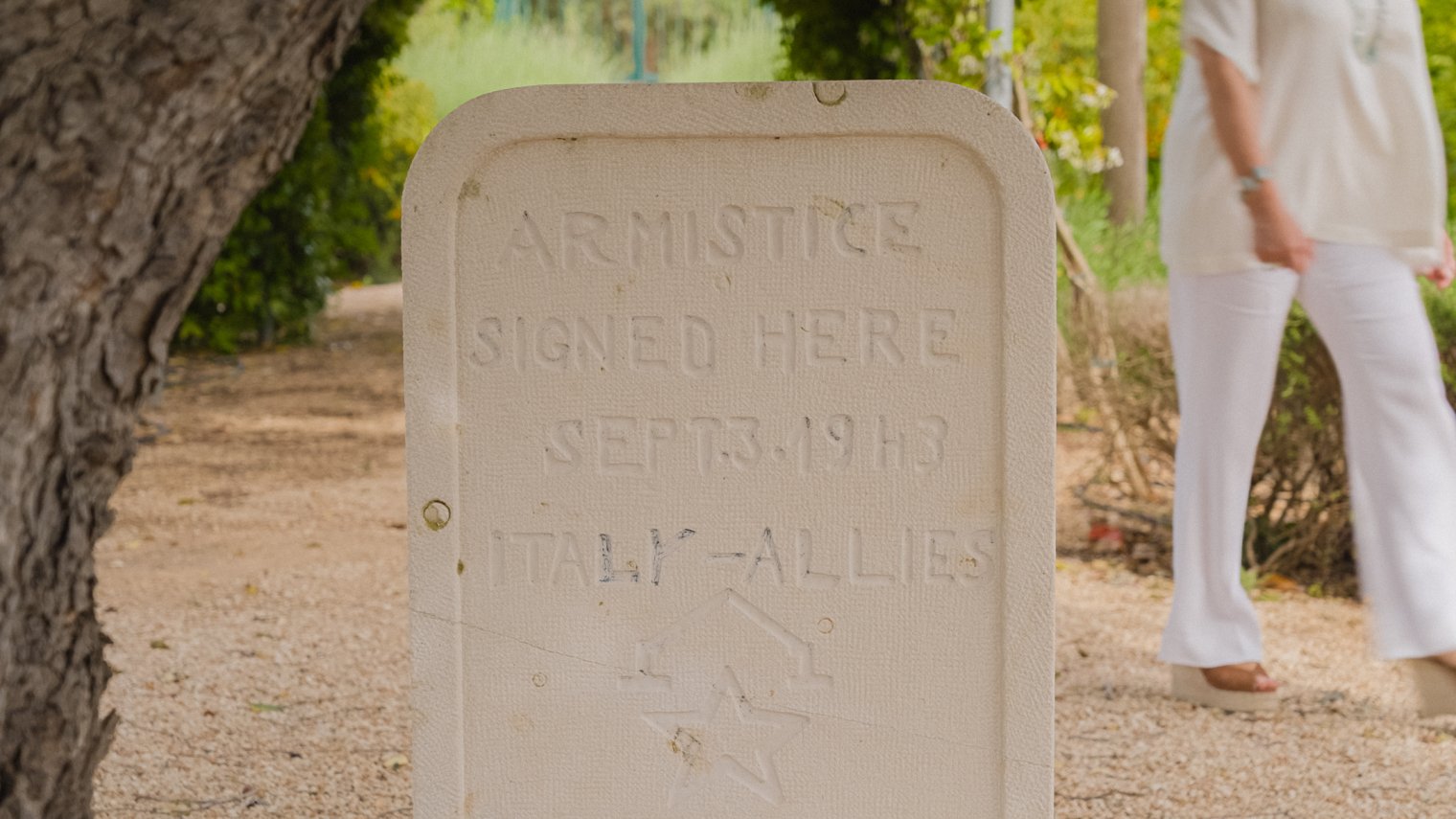
An emblematic culmination of both the lights and shadows of this groundbreaking military campaign is the September Armistice through which, less than two months after the initial landing, the Italian state formally accepted Allied terms. The deal had enormous national and international consequences, precipitating Italy’s break with the Axis and emergence as an Allied co-belligerent, while opening the way to a civil war between Fascist and anti-Fascist Italians in the rest of the country that would last for two more years. Still wrapped in myth and subject to diverging historical interpretations, the Armistice has no publicly recognized institutional landmark that can be visited, a reminder of how difficult it is for a curious visitor or passerby to learn about this key chapter in the largest global conflict ever recorded.
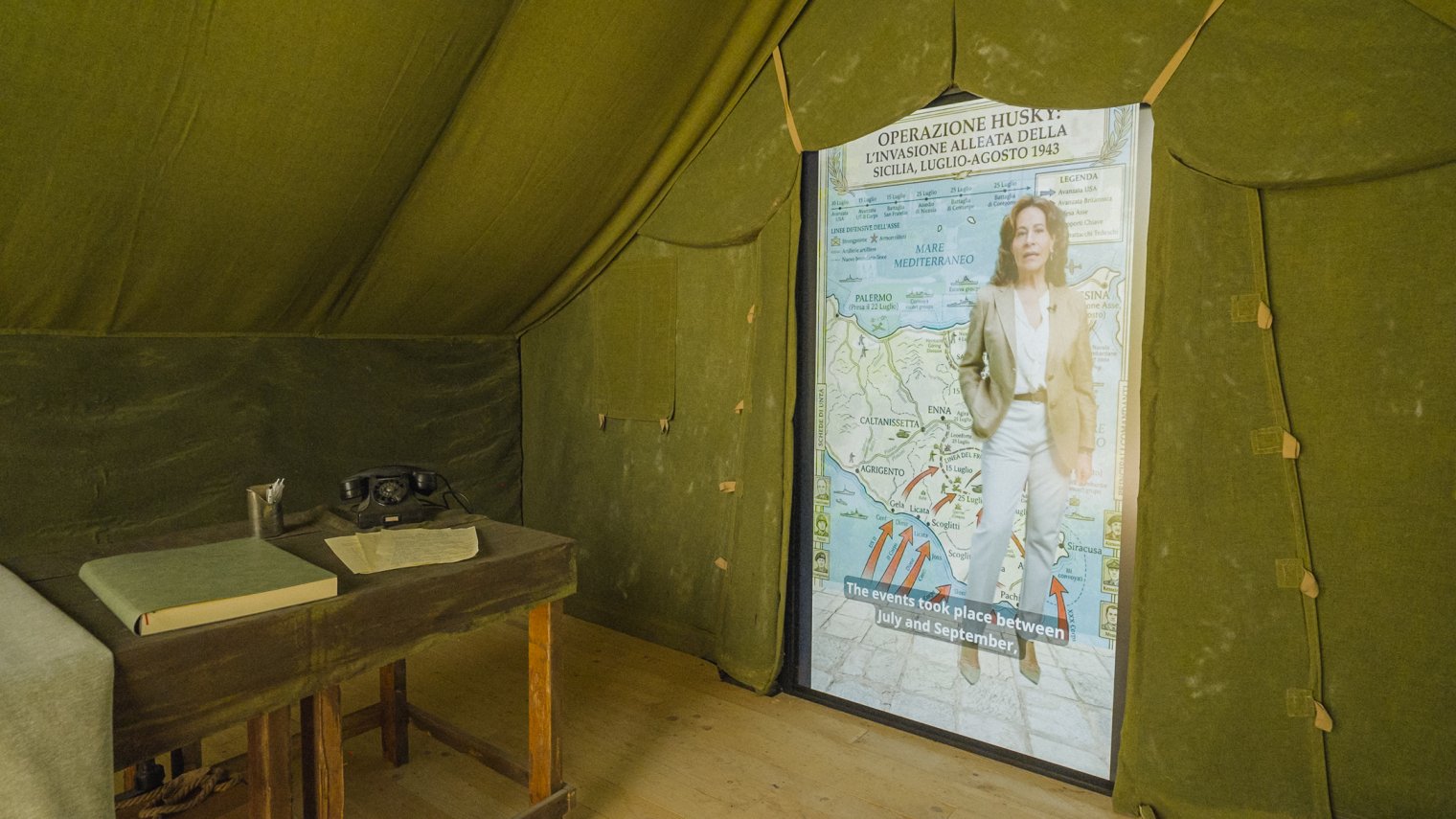
The documentary’s goal is to document the existing modalities of preservation, narration, accessibility, promotion, and lack thereof surrounding the sites and stories of Operation Husky. In so doing, it registers tentative signs of revitalization in this physical archaeology and in the landscape of private and public memory, all of which point to a desire to bring these histories back to the fore. Yet locally run documentation centers, small museums, private projects, and sporadic cultural activities inside military sites are both admirable acts of preservation and evidence of a highly fragmented approach to public history. The absence of a coordinated regional approach also raises questions about how these dispersed sites and histories might be connected to existing national and transnational public-history networks, and whether more coherent visitor routes could emerge from them as part of historical and memory tourism. The tension between war memories as community consciousness and as economic resource is present throughout the documentary, which captures differing approaches to the Landing, from nostalgia to curiosity, frustration, pain, and the need to tell a clear story. Engaging these memories to open up a space of debate about that war, and by extension other wars, remains a crucial goal of the film.
Production Notes
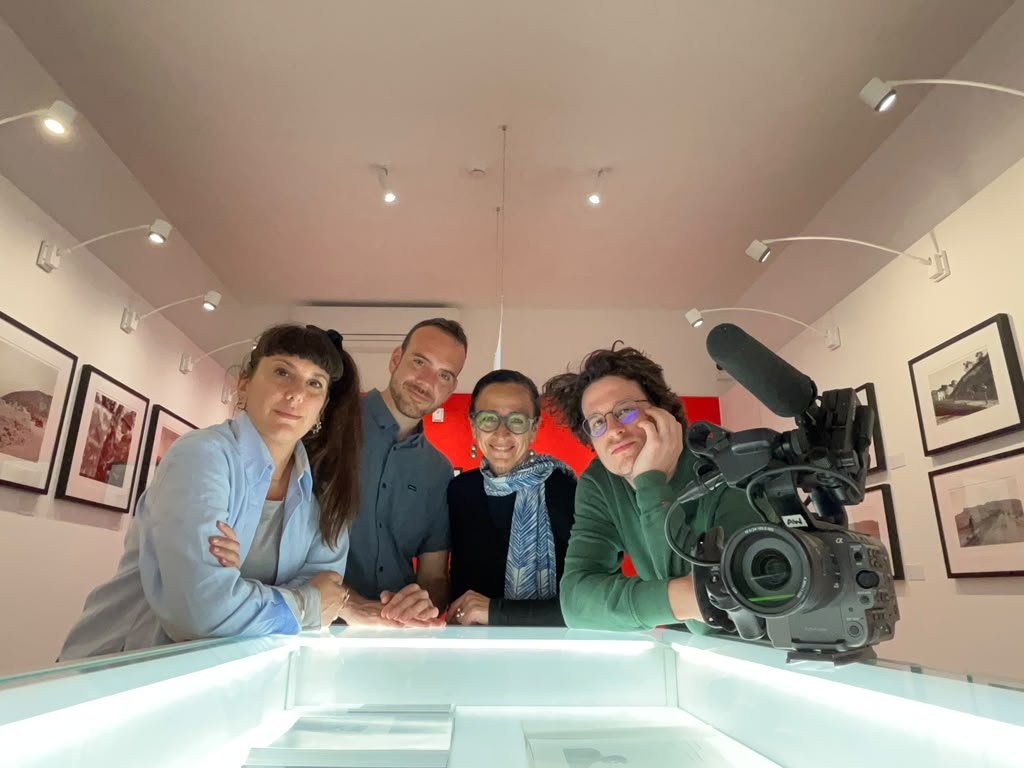
The documentary is a collaboration between the award-winning film company Awen Films and the Inserra Chair Fund in Italian and Italian American Studies at Montclair State University, which acts as primary funder and academic partner. Co-directed and co-written by Valerio Ciriaci and Prof. Teresa Fiore, with cinematography by Isaak Liptzin and Mila Tenaglia as co-producer, the film completed principal photography in May 2026. Post-production will continue throughout the fall and winter, with release expected in summer or fall 2027.
The project will be complemented by a suite of multimedia materials: archival documents and images, recorded interviews, essays, bibliographies, and other resources. An interactive web platform will enable immersive, dynamic navigation across this corpus, designed for classrooms, museums, public programs, and broad public engagement.
Team
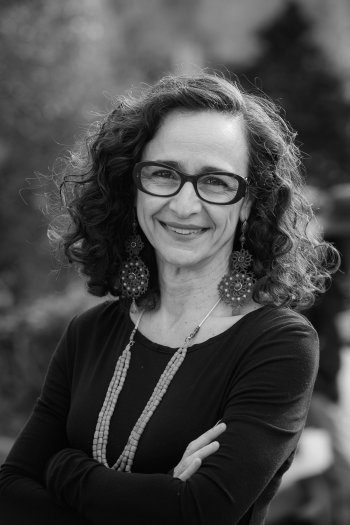
Teresa Fiore, co-director, is a scholar shuttling between Italy and the United States: she intertwines academic research, creative projects, and cultural commitments within a transnational vision. A professor at Montclair State University in New Jersey, she has also taught at Harvard, Yale and NYU. Her studies on migration from/to Italy and the post/colonial experience have received Fulbright, Rockefeller and NEH funding. Author of the book Pre-Occupied Spaces: Remapping Italy’s Transnational Migrations and Colonial Legacies (Fordham 2017/Mondadori, 2021), she has published in multiple languages in magazines, catalogs and edited volumes about Italian migrations and colonialism.
She teaches a popular class titled “Italian Americans in Film” and has published papers on films and directors focusing on past and current forms of Italian mobility, including from and to Sicily. On campus she organizes regular film screenings and debates, as part of a multi-disciplinary cultural programming. In 2019 she was awarded the title of Knight of the Order of the Star of Italy for her work in cultural diplomacy between Italy and the United States. In 2025, she coordinated four multi-media projects for Agrigento 2025 Italian Capital of Culture as part of an initiative called SPONDE.
Awen Films (Valerio Ciriaci, co-director; Mila Tenaglia, executive producer; Isaak Liptzin, cinematographer)
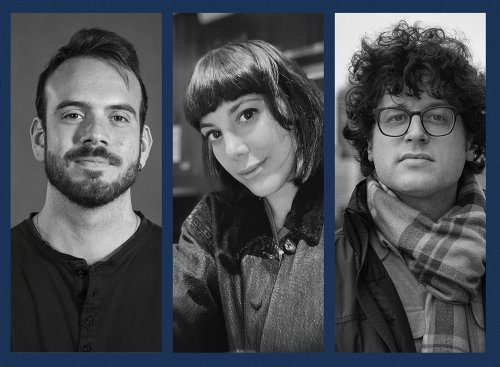
Awen Films is a film production company based in New York specializing in the creation of documentaries and visual projects that explore themes of social and cultural history, with particular attention to the interconnections between Italy and the United States. Their feature films – If Only I Were That Warrior (2015), Mister Wonderland (2019) and Stonebreakers (2022) – have received awards including the Golden Globe, the audience award at the Festival dei Popoli and the award for best documentary at the History Film Festival.
Awen Films’ works have been presented at numerous festivals, academic institutions and cultural spaces, and broadcast on international television networks. In collaboration with the Primo Levi Center, Awen Films created the video installationsThe Rome Lab (2017) and Los Corassones Avlan (2019). Their latest work (Elvira Notari: Beyond the Silence) was in competition at the 2025 Venice Film Festival, is a finalist for the 2026 Nastri d’argento Awards, and in the short list of the 2026 David di Donatello Awards.
The project is supported by Inserra Chair in Italian and Italian American Studies funding.
Special thanks to those associations, foundations, commercial activities, and individuals that have provided contacts and information (Associazione MEMENTO in Licata, Siracusa Tour Experiences, Emma Schembari), partial funding (Fondazione Agrigento Capitale 2025), equipment (Gapmovie), access to historical sites (Ente Parco Valle dei Templi), schools (Istituto Comprensivo Statale “Rita Borsellino” in Palermo), and museums (Museo della fotografia Robert Capa di Troina) and logistical support (Municipality of Licata and Municipality of Termini Imerese) over the years.
Project Status
- Survey of pre-existing material (collection of video-interviews) – Fall 2024
- First round of interviews with scholars – Fall 2024 and Spring 2025
- Archival research, interviews and production of a short documentary for SBARCO, an event included in Agrigento Capitale della Cultura supported by Italy's Ministry of Culture – Summer 2025
Survey of landscapes and partners (areas of Licata, Agrigento and Siracusa) – Summer/Fall 2025
First filming session (Catania, Siracusa, Noto, Licata, Agrigento) including interviews with a historian of the landing, a direct witness, a performing art director, a tour guide, the members of WWII-focused cultural associations, a tourism entrepreneur, and the director and an employee of the Landing Museum in Catania – January 2026
Second filming session (Ognina, Cassibile, Siracusa, Palermo, Termini Imerese,Ttoina) including interviews with a university professor, an independent scholar, the descendant of an aristocratic family that supported the allies, two collectors of military artifacts and images, a scuba diving expert on sunken aircrafts, a former teacher organizing the school registry archives, two direct witnesses of the WWII bombings in palermo, and a playwright focused on Robert Capa’s photography) – May 2026.
Selection of archival materials and first editing session - Summer 2026
For more information: fiorete@montclair.edu or info@awenfilms.net