
Assessment

Student success is at the heart of our mission. Supported by the Assessment Team in the Office of the Provost, student learning outcomes (SLO) assessment is an annual, faculty‑driven process that advances continuous improvement in the student learning experience.
Each academic program is built around a clear purpose, and the assessment cycle ensures that curricula and instructional practices evolve to support that purpose. Through assessment, programs can reflect on their curriculum, confirm that program learning goals and student learning outcomes remain relevant, and verify alignment between the curriculum and those goals. The process guides programs in making data-informed decisions that strengthen the student learning experience.
The SLO assessment also plays a key role in demonstrating university effectiveness. Assessment reports inform the Six-year External Review Committee (SERC) process, support the annual college/school assessment reports, and provide accreditors, including the Middle States Commission on Higher Education and discipline-specific accreditors, with clear evidence of ongoing, meaningful improvement.

Assessment Framework
The Office of the Provost oversees a centralized assessment process for more than 140 academic programs following the university-wide assessment cycle. Programs with specialized accreditation requirements may follow separate timelines.
Aligning with Montclair State University's established mission and goals, learning goals are implemented at the school/college level, which are then implemented at the program level, and, finally, the course level, where learning outcomes are defined and assessed.
Each program maintains an assessment plan that includes:
- Program Learning Goals (PLGs)
- Student Learning Outcomes (SLOs)
- Curriculum maps
- Assessment measures and rubrics
Programs collect and analyze assessment data annually to evaluate student learning, inform improvements, and strengthen the student experience. Findings are used to develop action plans and are summarized in annual college and school assessment reports to support continuous improvement and institutional effectiveness.

Who is Involved in SLO Assessment?
SLO assessment is a collaborative process. Although one faculty member in each department is responsible for uploading materials into Nuventive, AAC reps, faculty assessment leads and department chairs should communicate expectations early so that everyone can anticipate data-collection needs, review and discuss results together, and develop a cohesive action plan.
Each participating department designates at least one representative to serve on the Academic Assessment Committee (AAC). Guided by the faculty-led AAC Leadership Council, the committee advances meaningful and sustainable assessment practices that strengthen student learning and support continuous improvement.
The AAC meets throughout the year to review assessment processes, share effective practices and resources, and support departments in coordinating assessment efforts.
Students also play an important role in the process. Faculty are encouraged to share program learning goals and student learning outcomes with students and explain how assessment supports their learning and academic success.

General Policies and Guidelines
Assessment helps ensure that students are achieving the knowledge, skills, and competencies that programs are designed to develop. By regularly reviewing learning outcomes, programs can celebrate successes, identify opportunities for improvement, and make informed decisions that enhance student learning.
- Every Student Learning Outcome (SLO) is assessed at least twice within a five-year cycle.
- Each SLO is evaluated using at least one direct measure, with programs encouraged to incorporate multiple direct and indirect measures for a richer understanding of student achievement.
- Assessment plans, findings, and improvement actions are managed through Nuventive, available in Nest. Robust reporting tools make it easy to track progress and share results across departments.
- Looking to simplify data collection? Canvas Outcomes connects course assignments and SLO-aligned rubrics directly to Nuventive, creating a seamless pathway from student work to assessment reporting.
Turn assessment data into meaningful insights—and meaningful insights into action. Contact the assessment team to get started or learn more about Canvas Outcomes.

Timeline
Each cycle begins and ends on October 15 in a given year. Programs may follow a schedule that fits their internal needs, as long as all required materials are submitted by the deadline. To support continuous improvement, programs submit one component of the cycle each year:
- Assessment Plan for the current year (updated PLGs, SLOs, curriculum maps, measures, rubrics, etc.)
- Action Plan based on the analysis of the prior year’s assessment results
- Closing the Loop reflection on the impact of actions implemented in the prior year and identification of next steps

Reporting
Through the annual SLO assessment process, faculty evaluate how effectively their programs foster student learning, identify areas for enhancement, and implement meaningful changes that strengthen educational quality. Assessment results are compiled and analyzed in annual college and school-level reports, providing a comprehensive view of program effectiveness.
This process culminates in the Six-year External Review Committee (SERC), during which each department undergoes an external evaluation to ensure the quality and integrity of its programs and assessment practices.
SERC
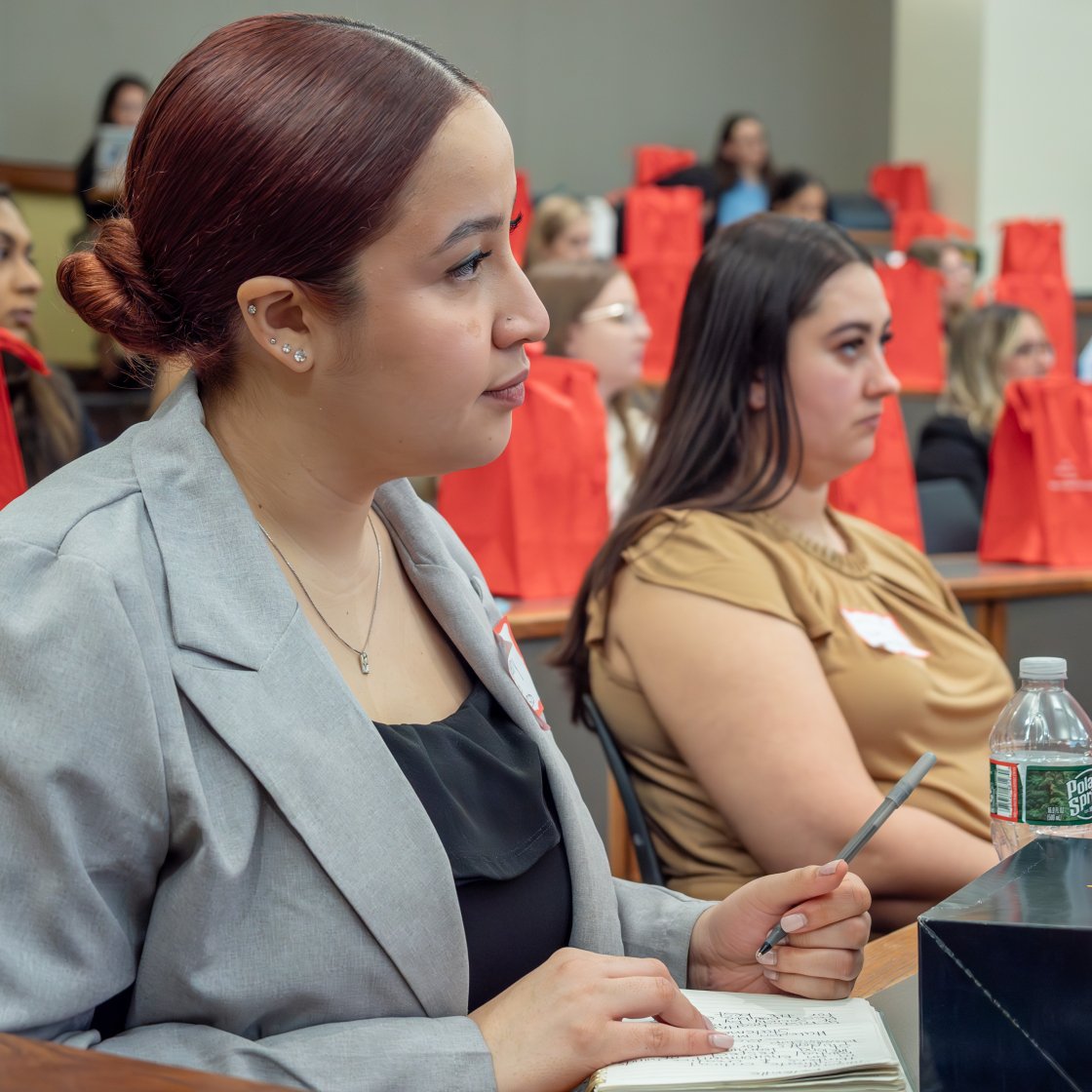
The Six-Year External Review Committee (SERC) is a university-wide process designed to support the review and continuous improvement of academic programs at Montclair State University. It provides an external evaluation of undergraduate and graduate programs, with a focus on mission, quality, curriculum, and student learning outcomes.
Each department undergoes a SERC review every six years. The process is grounded in a departmental self-study that examines key areas such as curriculum, advising, faculty, student learning outcomes, resources, support services, enrollment, and accreditation (if applicable).
The process takes approximately one year and includes a self-study, external review visit, and post-visit report, culminating in an action plan developed with the Dean and Provost’s Office.
Find additional SERC resources in Canvas.

Academic Assessment Newsletters
Stay informed with the latest Academic Assessment Newsletters featuring departmental updates, best practices, and success stories from across campus.
Reach Out with Questions
Joanne Cote-Bonanno
- Senior Associate Provost for Curriculum, Assessment, and Accreditation

Irina Koroleva
- Associate Director of Assessment and Accreditation

Julia Attanasio
- Senior Assessment Coordinator