A Spark at Every Age: PRISM Brings Living Light to Brandywine Assisted Living
Firefly memories, extraordinary animals and lively questions illuminate the joy of lifelong STEM learning.
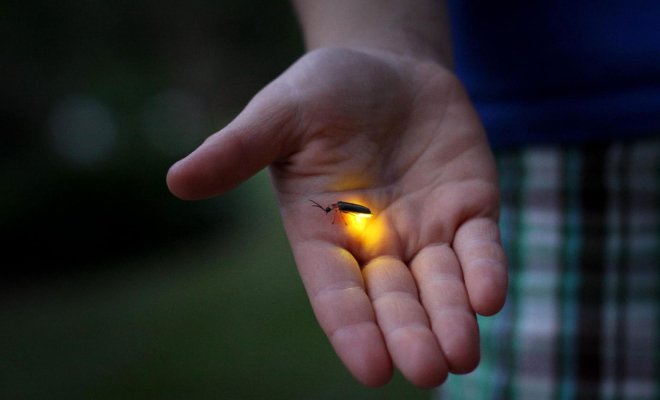
A firefly glows in an open hand, recalling the childhood wonder at the heart of the Brandywine talk. Photo: Jessica Lucia, via Kansas Public Radio
As part of Brandywine Living at Mahwah’s programming for National Assisted Living Week, PRISM at Montclair State University gave this year’s theme, “Shining Through the Years,” a luminous twist. A workshop about bioluminescence rekindled residents’ childhood memories of catching fireflies in mason jars or paper bags to make little lanterns, a joyful starting point for discovering some of the most remarkable animals in the natural world.
On the morning of September 18th, more than 20 Brandywine residents joined Dr. Scott Kight, a Professor of Biology at Montclair State University and Director of Professional Resources in Science and Mathematics (PRISM), for Living Light: The Remarkable World of Bioluminescence. The group was deeply engaged, asking many questions as the presentation traveled from familiar summer lawns to lightless caves and into the deep ocean.
The workshop highlighted a dimension of PRISM’s work that reaches beyond schools and the college campus. Alongside its support for K-12 teachers, university students and faculty, PRISM brings STEM learning into the surrounding community, including opportunities for senior citizens to explore, question and discover.
From sunlight to living light
One idea that especially captured residents’ interest connected a firefly’s glow with the food on our plates. Plants capture sunlight and use its energy to make sugars. That stored energy moves through food webs as animals eat plants or eat other animals. The energy in our everyday meals, too, traces back to this captured sunlight.
A firefly adds another transformation to the story. Energy obtained through food helps power the chemical reactions that produce its light. Sunlight becomes chemical energy, passes through living things and emerges once more as a tiny flash in the dark. Something remembered from childhood suddenly held a new connection to the wider living world.
Bioluminescence is light produced by living organisms through chemical reactions. But the presentation looked beyond how animals glow to ask what that light makes possible: finding food, attracting a mate, hiding or escaping a predator. The familiar firefly became an invitation to think like a biologist.
Discovering life in the dark
Residents were especially fascinated by blind cavefish. Across many generations in permanent darkness, some cavefish populations have evolved without functional eyes. Instead, they navigate using other sources of information, including chemical cues, touch and water movement. Their world is not empty of information; it is rich in signals that people may barely notice.
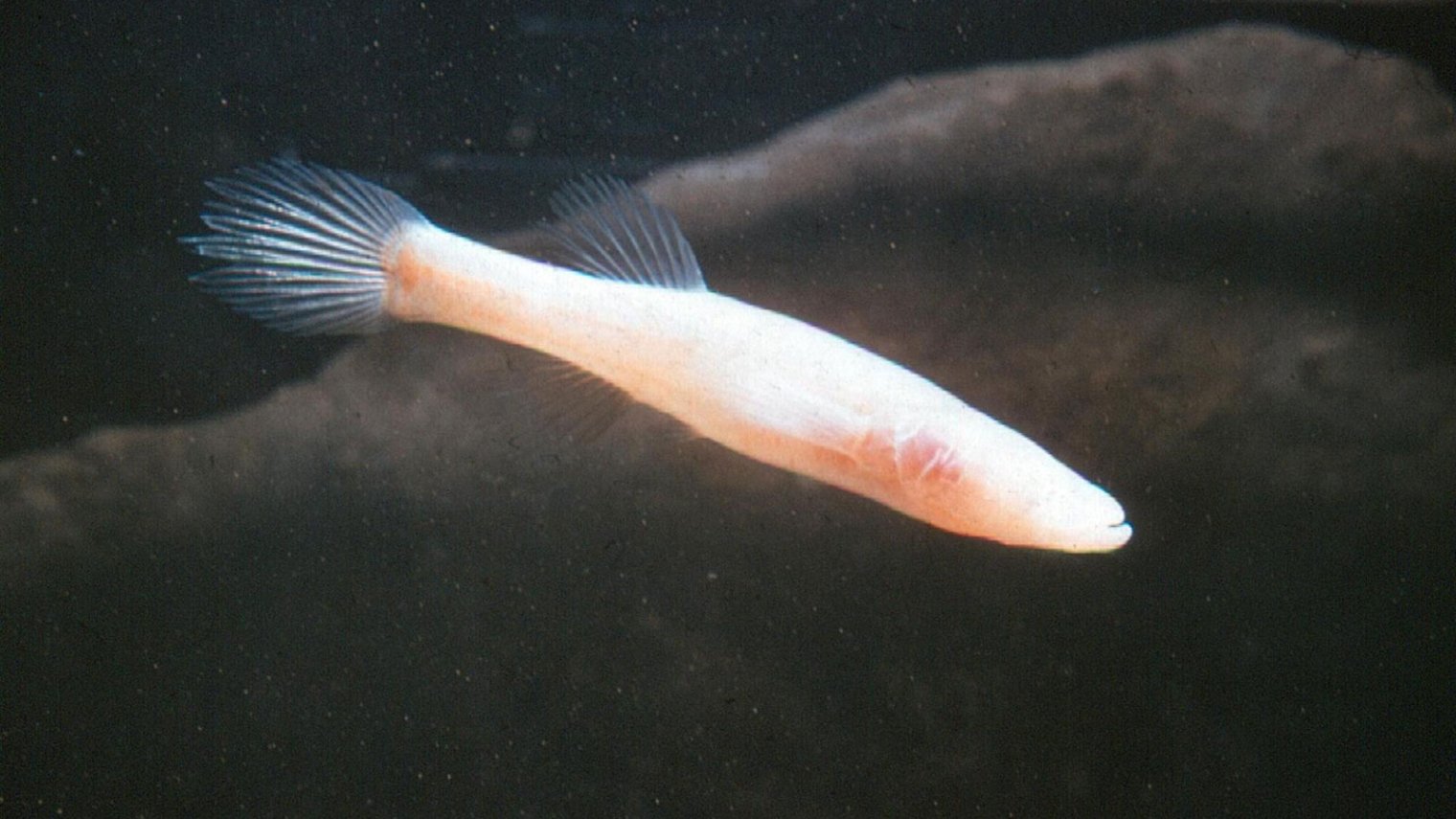
Owls offered a different response to low light: large eyes that gather available light and sensitive hearing that helps locate prey. Comparing these animals encouraged the Brandywine residents to consider how evolution shapes different ways of sensing and surviving.
Then came a wonderfully surprising reversal. Many familiar squid species escape by releasing dark ink into lighted water. The vampire squid can release a cloud of glowing material into darkness, distracting an attacker. Rather than hiding behind darkness, it can escape behind light: a luminous twist that particularly delighted the audience.
Curiosity belongs to every age
The Brandywine residents’ questions and recollections were central to the experience. Their memories connected scientific ideas to lives already full of observation, experience and wonder. The morning was not simply a presentation delivered to an audience; it was a conversation built by the people in the room.
That spirit connects this community visit with PRISM’s work across education: professional learning for K-12 educators, support for future science teachers through the CSAM Science Teaching Program, and faculty learning through Teaching Commons @ CSAM. At Brandywine, the setting was different, but the invitation was the same: to ask questions, consider new possibilities and enjoy making sense of the world.
A childhood firefly lantern and a deep-sea animal may seem worlds apart. At Brandywine, they became part of the same conversation, and a reminder that the pleasure of discovering something new belongs to learners of every age.
- Published
- Type
- Topic
- School or College