
Out of the Classroom and Onto the Road
Recapping Native American and Indigenous Studies Summer Trips and Fieldwork
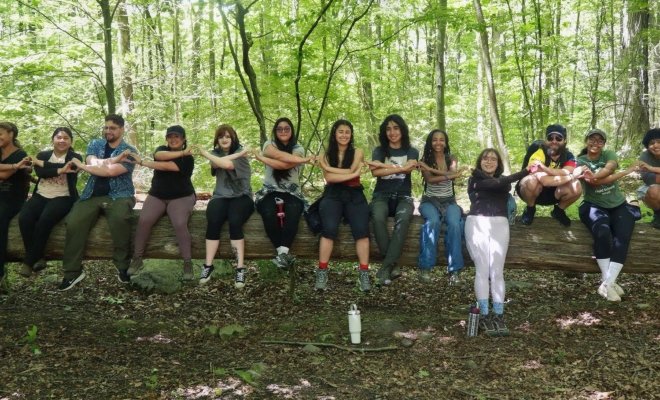
“It’s not every day that you have someone say, ‘This experience changed my life,’” says Professor Mark Clatterbuck, Co-Director of the Native American and Indigenous Studies (NAIS) program at Montclair State University. This summer, select students were invited to participate in two transformative experiences thanks to a $1 million Mellon Foundation grant awarded to NAIS and the New Jersey Center for Indigenous Justice (NJCIJ). As participants in the 2026 NAIS Summer Field School and the Wisconsin Experiential Learning & Community Knowledge Exchange, students were encouraged to ask essential questions such as, ‘How do you organize your community? How do you build relationships in ways that change a broken system? How do you build a more just society?’. “It is such a different way of thinking about doing college. You’re learning so much, it’s intense, but you're doing it in a community,” says Professor Clatterbuck.
These questions guide students towards social activism and justice-driven learning. Jaden Jorge, a student in the field school and on the Wisconsin trip reflected, "The experience not only creates bonds between your group that are unbreakable, but also the sites you visit, people you meet, and the work accomplished leaves you with a sense of humility."
Summer Field School
From May 18th through June 12th, fourteen students and six faculty members came together daily to engage in hands-on learning experiences directly in partnership with New Jersey’s Indigenous communities. The program was led by NAIS Co-Directors Maisa Taha, Chris Matthews, and Mark Clatterbuck, along with NJCIJ Director Precious Benally (Diné) and Native American Digital Repository Manager Will Williams.
“Organizing a program like this involves many moving parts, so to be able to tap into each of our skill sets and areas of expertise to put together a successful program summer after summer is a testament to the saying ‘teamwork makes the dream work,’” says Benally.
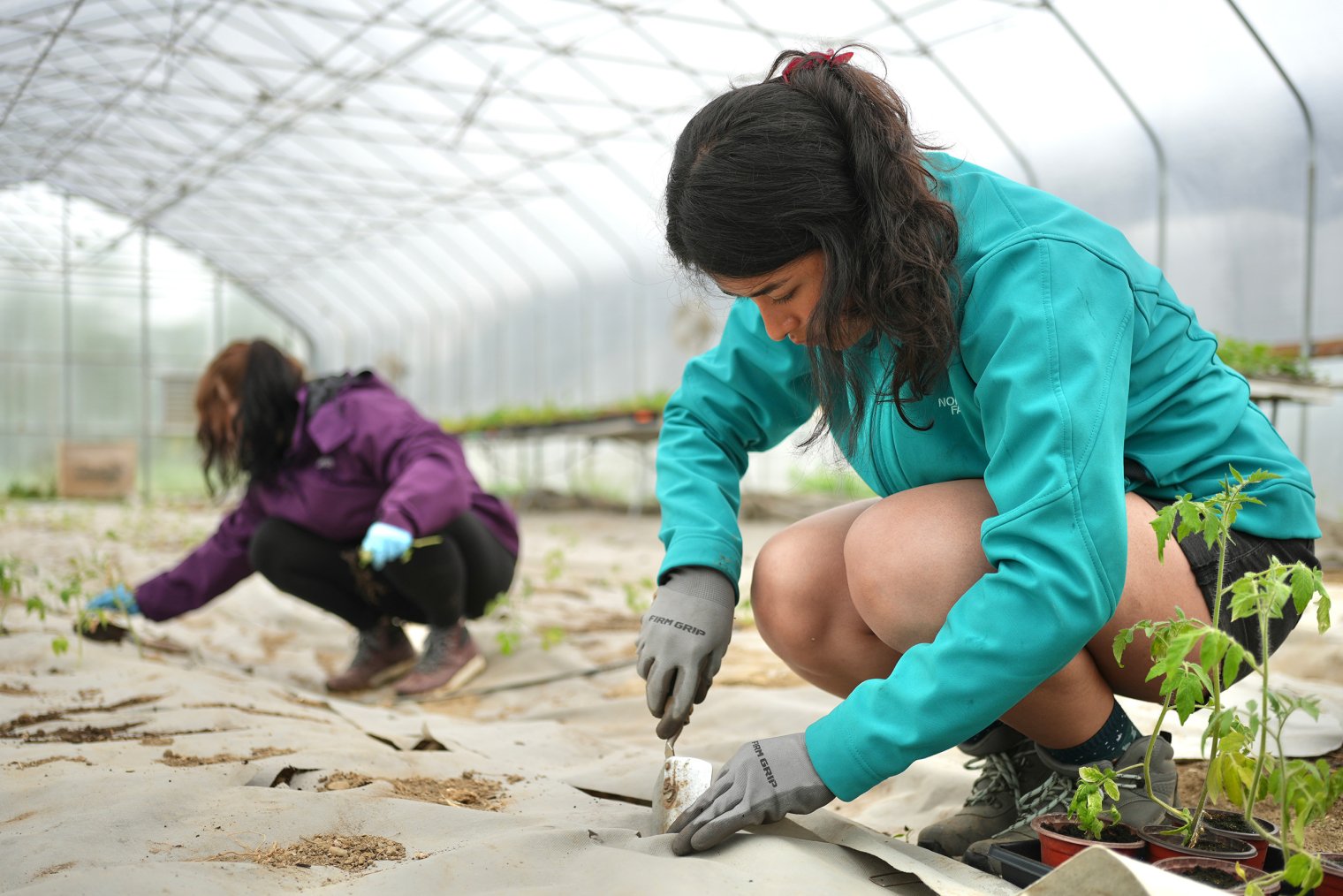
Week one was centered around Indigenous food sovereignty. Students spent time at the Munsee Three Sisters Farm located in Newton, New Jersey. The farm is run by Chief Vincent Mann of the Ramapough Lunaape Tribe, and his wife Michaeline Picaro Mann. There, students spent time learning about the farm’s daily operations, transplanting vegetable seedlings, and preparing ground for a new shade structure. They also learned about the significance of food justice as an effort to heal and rebuild a sense of community for Indigenous people.
Week two focused on documentation related to the Ringwood superfund site. Ramapough tribal community leader Wayne Mann told students about Ford Motor Company’s toxic waste dumping that began in the 1960s. Millions of gallons of hazardous chemicals and paint sludge were dumped into local mountains and bodies of water in the area, affecting the Ramapough tribe’s land to this day. For the past five years, NAIS has been working with the tribe and local non-profits to build a digital repository that documents the hazardous contamination and negative health effects on local residents. “Starting the week with a trip to the location of the superfund site and hearing from Mr. Wayne Mann grounded the students in their work analyzing superfund related material, and we closed the week with a hike around a lake in a state park that is impacted by the pollution. Returning the students to the beautiful surroundings and nature in the Mahwah area reinforced the environmental and social justice impacts of this work,” says Will Williams.
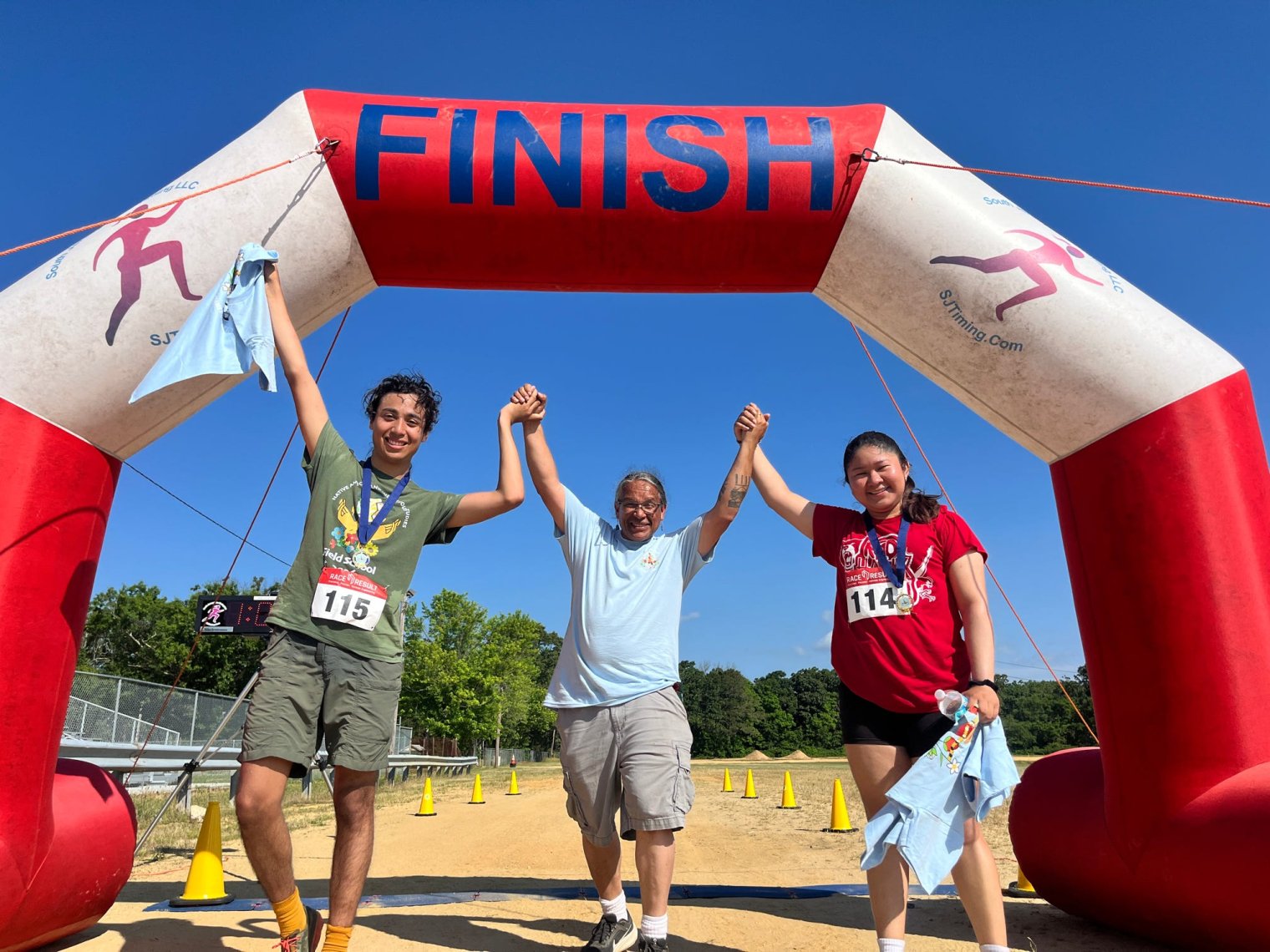
During week three, students supported the Nanticoke Pow Wow on the Cumberland County Fairgrounds in Millville, New Jersey. The NAIS field school has developed a partnership with the Nanticoke Lenni-Lenape Tribal Nation in which the group has been a core volunteer team for the event. Students spent a day setting up the campgrounds, event space, and vendor tents. In the process, they spoke with tribal elders and learned about the regalia, dances, drumming, singing and other aspects of Indigenous culture. The students then spent two days running ticket admissions and providing dancers and drummers water and fresh fruit. They also got up early to set up a 5k race and direct runners along the route, helped keep the grounds clean and overall assisted the Nanticoke tribe as they ran an incredible cultural event.
One night, Benally hosted a meal of frybread tacos at the Nanticoke Community Center, where students and faculty had been invited to camp, and students had the opportunity to talk directly with Chief Urie Ridgeway and his family. "Food brings communities together. For Indigenous people, food is not just about eating, rather, it's about relationships, responsibilities, and celebrating community. It was a special honor to not only cook for Chief Ridgeway and his family as a way to thank them for allowing us to camp on Tribal lands but to also share a piece of home with the students," shares Benally.
For the fourth and final week of the field school, students remained closer to home in Mahwah, NJ, where the focus was on the documentation and preservation of Ramapough archaeological and heritage. Students visited the sacred sites of Split Rock and the Ramapough Mountain Cemetery and spent time in Green Mountain Valley, an ancestral Ramapough settlement and center of ceremonial practice from centuries ago. Students and faculty collaborated with the Ramapough community to learn about archaeological survey and documentation following protocols respectful to Indigenous heritage and the tribe’s own story.
“This documentation of the cultural heritage of the Ramapough establishes the tribe’s deep historical presence in their homeland as a place they have known and meaningfully occupied for generations,” says Chris Matthews. “The story of their lives and culture as will be told by artifacts and other archaeological data will change what we know about New Jersey by making it a place rich with Indigenous heritage from the past and carried forward in the present.”
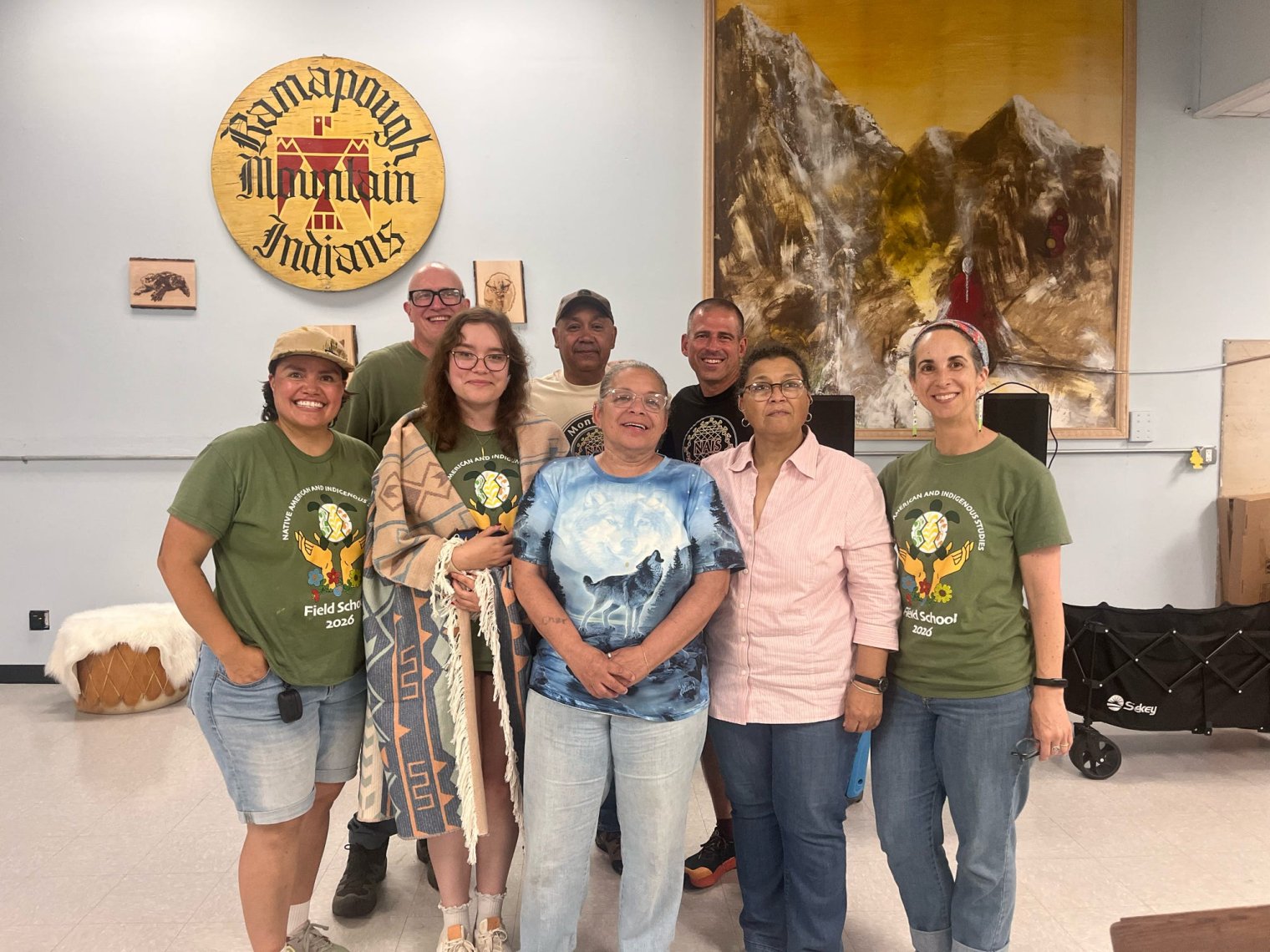
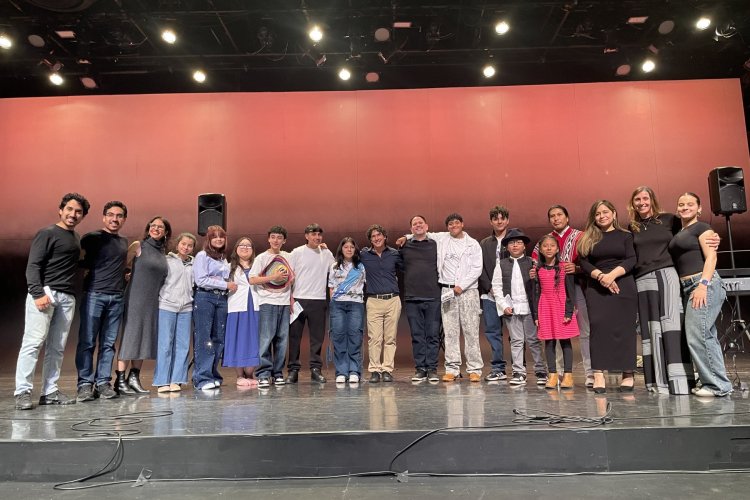
On the last day of the field school, students and NAIS faculty celebrated at the Ramapough Tribal Center in Mahwah, New Jersey. Students shared reflections of their experiences with members of the Ramapough community and enjoyed a frybread feast and cookout.
“Working alongside Tribal communities and learning directly from Indigenous knowledge made field school feel like more than an academic experience,” says student Sara Castiblanco. “I found my community, and it gave me a deeper understanding of the importance of culture, and connection. It also awakened something deeply personal in me: a stronger desire to reconnect with my own ancestors, understand where I come from, and carry their stories and traditions forward with the same respect that I witnessed throughout the program.”
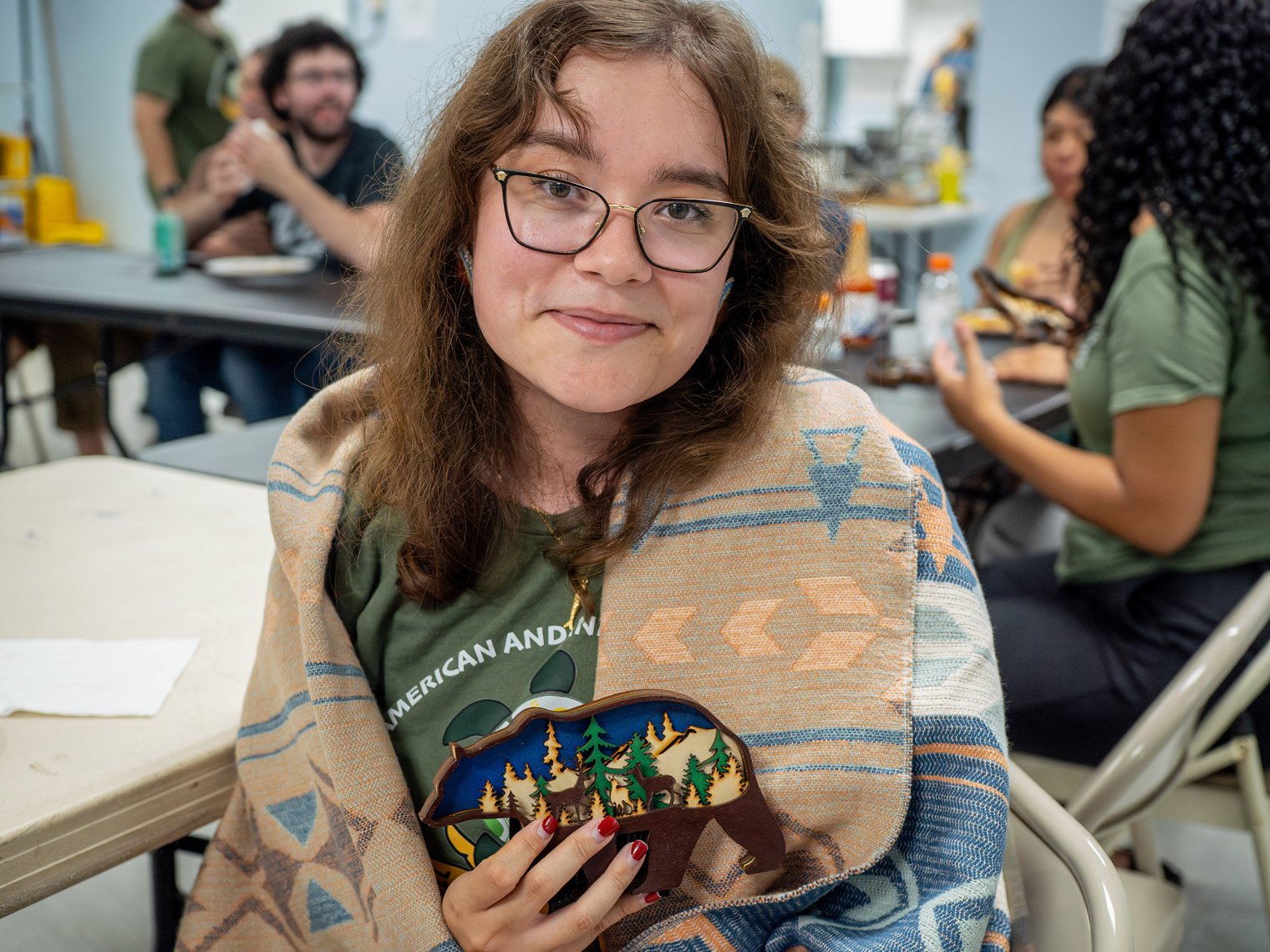
Wisconsin Trip Experiential Learning & Community Knowledge Exchange
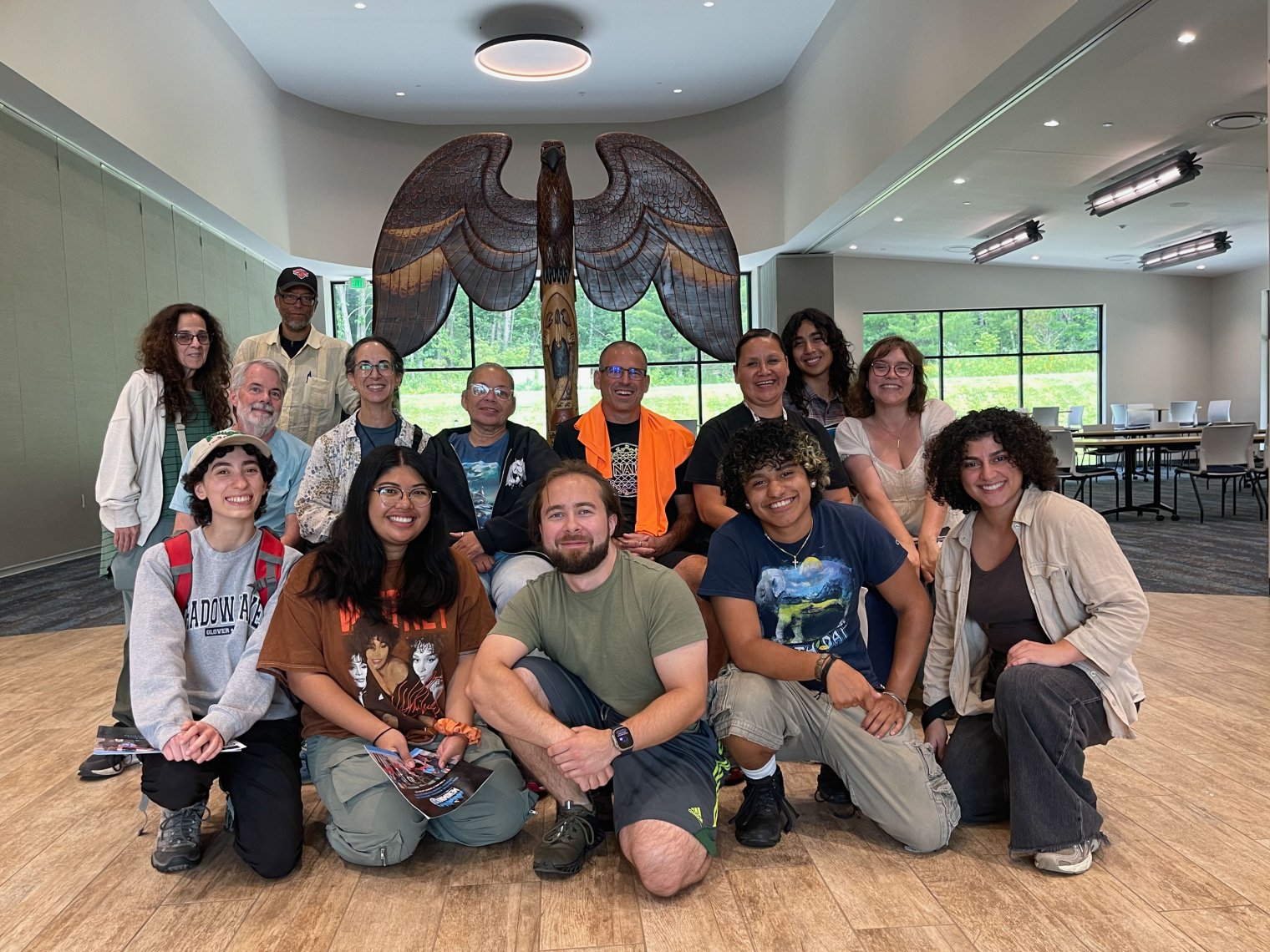
After a short intermission, a smaller group embarked on a road trip to Wisconsin led by NAIS Co-Directors Taha and Clatterbuck. The week-long excursion began on July 7th, where ten NAIS students and faculty piled into a van packed with camping gear. As a team, they drove sixteen hours to Wisconsin, where they camped and met with language and culture keepers from the Stockbridge-Munsee Mohican Nation, Menominee Nation, and Oneida Nation. Three members of the Ramapough community from New Jersey joined the trip to Wisconsin.
Professor Taha reflects, “You could think of this like a study abroad trip because people forget that there are so many parts of the country that we don't know, people we might never get to meet, places and communities that are so different from where we call home. And in the process, you find out that being welcomed into those communities sets an example for how we can care for home through healthy relationships, remembering our ancestors and the places that sustain us, and looking out for those who are most vulnerable.”
In Wisconsin, the group learned about various approaches to community-led language revitalization and cultural sovereignty. The founders and staff of Menomini yoU, Inc., a nonprofit language campus on the Menominee Nation, spoke to the group about their work to “renormalize” Menominee language on the reservation. Through focused instruction and long-term, generational planning, it has become possible not only to imagine, but also to hear more and more people using Menominee every day.
On private land on the Stockbridge-Munsee reservation, the group got to learn about a different nonprofit effort to promote food sovereignty and establish a physical place for ceremony and healing. There, students and faculty aided in building an outdoor kitchen shed while talking at length with involved community members and hearing about how the space will be used for intergenerational gatherings.
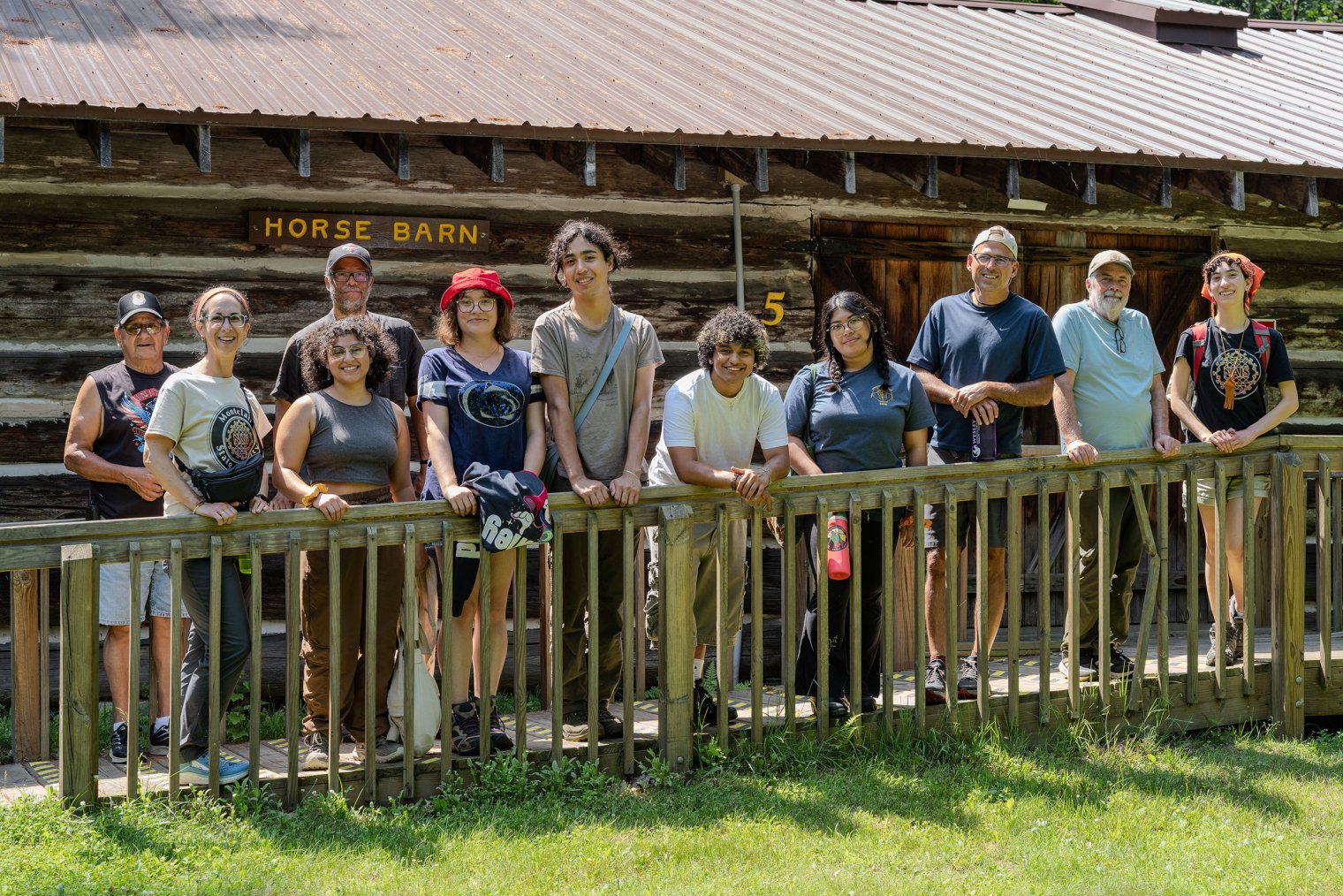
Throughout the trip, students and faculty met with tribal youth, elders and leaders, which broadened students' exposure to Indigenous culture keepers and the hard work that communities across the country do every day to protect and uphold their knowledge and cultural sovereignty.
A Meaningful Moment
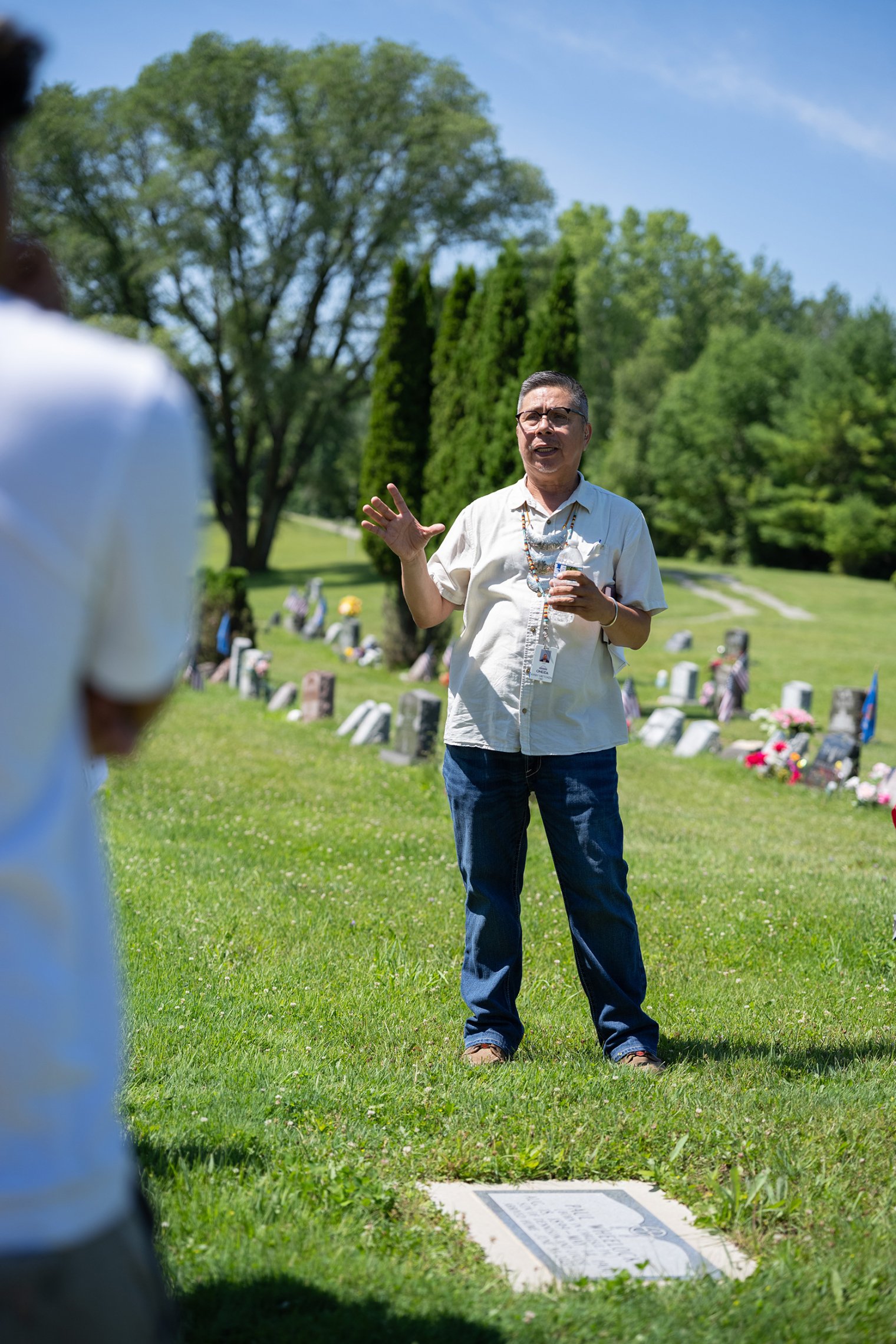
One of the most moving experiences on the Wisconsin trip was during the group’s visit to the Oneida Nation, near Green Bay, Wisconsin. At an Episcopal mission church on the Oneida Reservation, Kirby Metoxen, a recently retired tribal council member and history keeper, detailed an initiative that he has been a part of. His mission was to bring back Oneida children who had passed away at Carlisle Indian Industrial School in Carlisle, Pennsylvania during the late 1800s-early 1900s. During that time period, thousands of Indigenous children were forcibly brought into federal and religious boarding schools in a government-wide effort to assimilate them into white American culture and erase any traces of Indigenous culture. Hundreds of Indigenous children died of abuse, malnutrition, disease, and of heartache at being violently taken away from their families and homes. These children were buried on the grounds of the boarding schools, in unmarked and unlabeled graves.
Metoxen revealed that he had helped repatriate seven Oneida children back to the Oneida reservation, including one of his own ancestors. Students and faculty then respectfully viewed the cemetery of the repatriated Oneida children. Professor Clatterbuck states, “These are the kinds of experiences that anchor our Native American Studies program.”
Deepening Relationships
The factors that made the Field School and the trip possible are the relationships that the Center and NAIS have with tribal communities. “None of this happens without the Tribes and communities who've chosen to walk alongside us. These relationships aren't something we built for a program. They're something we're honored to be trusted with,” says Benally.
“Tribal communities and Native people have been the knowledge keepers of this land since long before the University existed, and this is still their land. When a tribal community lets a university in, that's trust that has to be earned again every single time, not assumed. For us, that trust has been earned not just individually with tribal members and elders, but collectively with tribal councils and leadership one relationship, one conversation, one visit at a time", says Benally.
"From the very start, we've been committed to showing up, listening, and following the lead of the knowledge keepers and tribal leaders, not the other way around. Respecting tribal sovereignty isn't a talking point for us. It's the starting point.”
The University’s NAIS program has remained committed to supporting tribal priorities through environmental justice, legal rights, cultural preservation, and language revitalization. Professor Clatterbuck says, “I think back to the Field School closing ceremony, when the Director of the Ramapough Tribal Center stood up and said, ‘We're so grateful for the relationship that we've developed with you…We consider you family.’ That's what this whole program is built on.”
Written by: Maria Lachanaris, 2026 Summer Fulcomer Intern
- Published
- Author
- Maria Lachanaris
More News & Stories
-

-
-
 Student Success Stories