
Faculty Opportunities
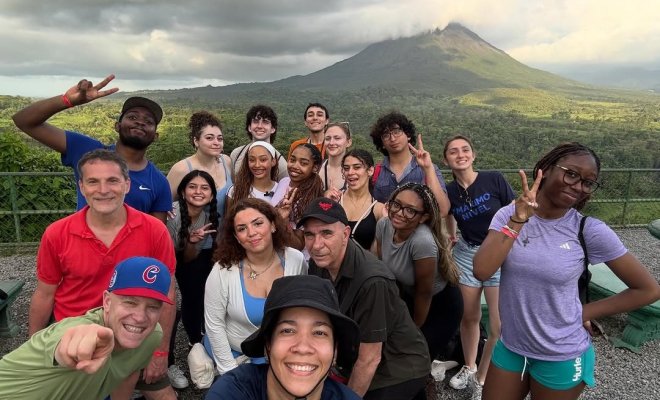
Montclair State University and the Office of International Academic Initiatives are committed to expanding global engagement opportunities for faculty through Erasmus+ funding, Faculty-Led Program proposals, and the internationalization of curriculum. These initiatives support innovative teaching, international collaboration, and the integration of global perspectives across academic programs.
How Our Faculty Can Get Involved:
Erasmus+ Funding
The “Erasmus” program was originally established by the European Union in 1987. It looked to promote closer cooperation between universities and higher education institutions across Europe. This meant setting up an organized and integrated system of cross-border educational interchange. Montclair State University is active in this space for providing funding for both Montclair students and faculty as well as receiving those with Erasmus+ funding to Montclair.
Over time, the program has expanded in its breadth and depth and is now known as “Erasmus+”. Its extended form is a broad umbrella framework which combines former EU’s different schemes for transnational cooperation and mobility in education, training, youth and sport in Europe. Increasingly, it is also looking beyond Europe.
Since the start of the program in 1987, over 16 million people have taken part in Erasmus+, thanks to enthusiastic take-up of opportunities by staff, students, young people and learners of all ages.
When funding opportunities become available, call to action will be sent across the university and all are invited to apply. Applications will be reviewed by a committee who will select those who best align with the proposal and ensure a diverse representation of our institution's breadth.
To get involved with Erasmus+, Faculty and Staff are encouraged to view our current proposals for Erasmus+.
Faculty-Led Programs
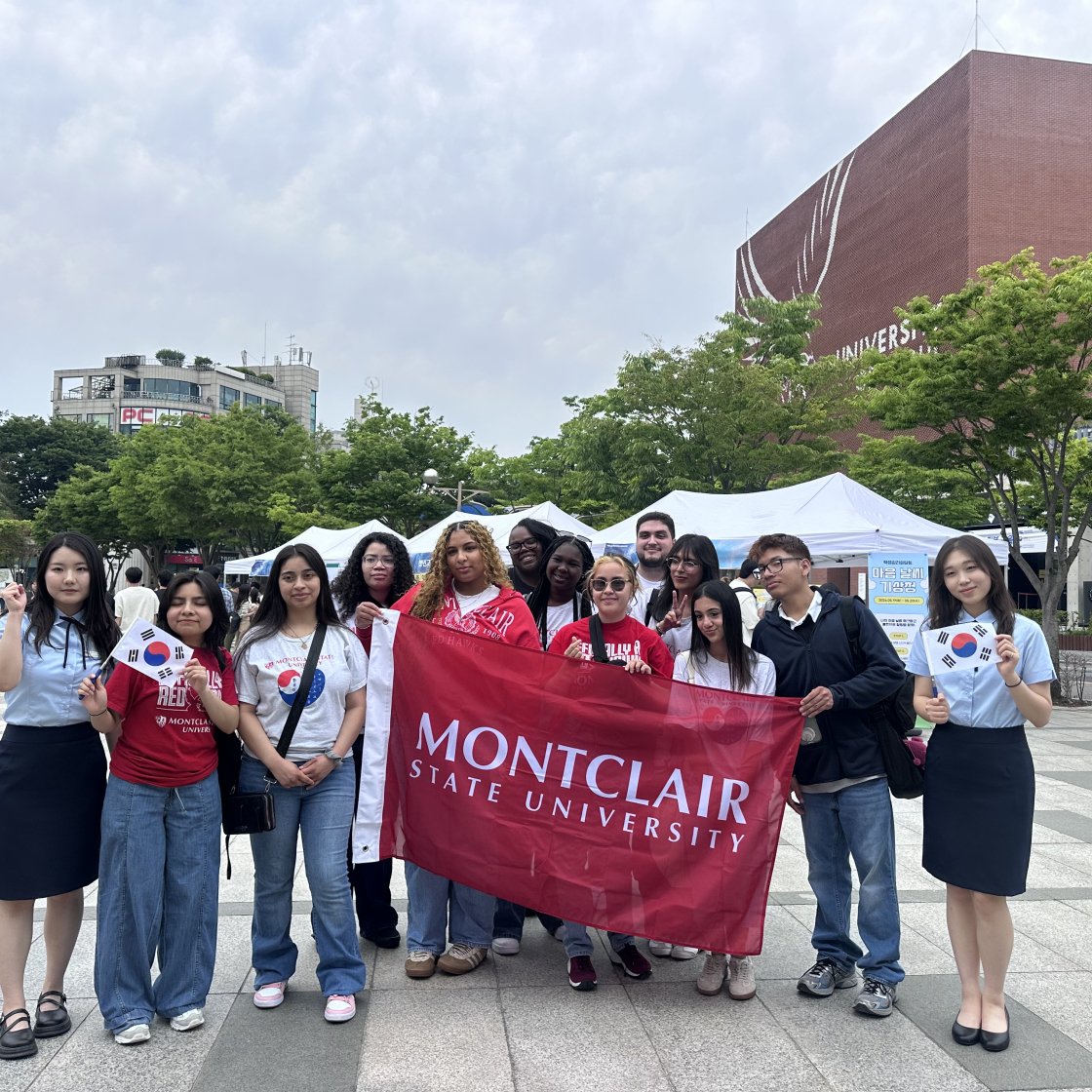
Faculty-led programs are short-term study abroad experiences where a university professor leads a group of students to another country or region. Students travel together, engage in immersive fieldwork, and earn academic credits toward their major directly taught by their faculty member. The IAI office is doing more of these programs annually than ever before, and they remain popular with students. We welcome proposals from all Colleges and Schools for 2027-28. To align with the new Fall break, IAI welcomes proposals for faculty-led programs embedded into a Fall 2027 course, with travel in mid-October (fall break). The application form requires academic and safety information, a logistical summary, and some explanation of proposed learning activities abroad. Proposals for programs with travel during Fall Break 2027 or January 2028 are due December 15, 2026 at 5pm.
IAI also invites proposals for faculty-led programs embedded into J-Term 2028, Spring 2028, or Summer 2028. Travel would be in January, March, May (late spring), or Summer 2028, depending on the proposal. The application form has the same information and requirements as the Fall break application. Proposals for programs with travel during Spring Break 2028, May 2028, or Summer 2028 are due February 15, 2027 at 5pm.
Anyone with questions is welcome to email international-academic@montclair.edu. If you are a student or have a student with questions regarding a current Faculty-Led Program, please have them contact our Study Abroad email or program leader.
Internationalization of Curriculum
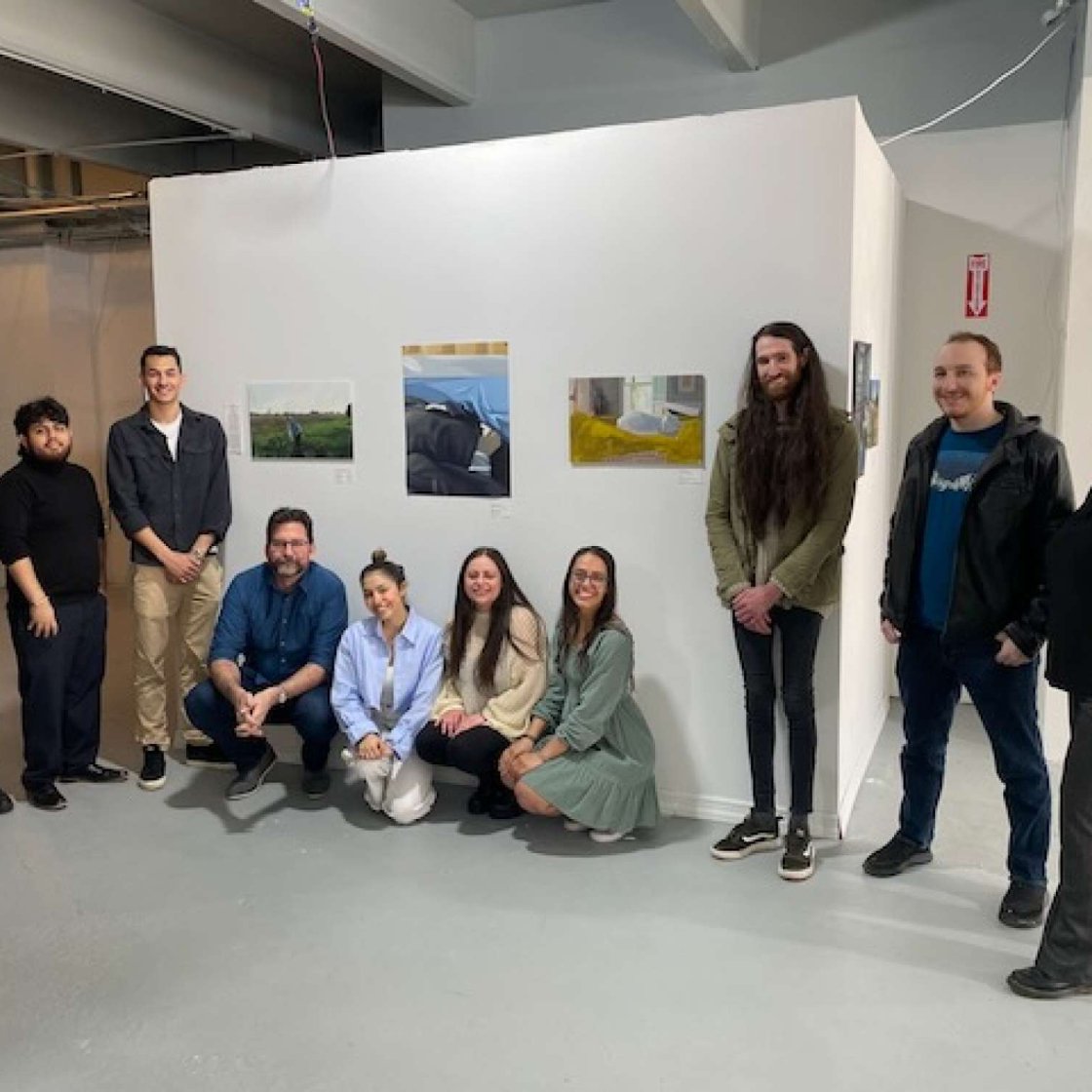
International Academic Initiatives (IAI) encourages and supports faculty to incorporate internationalization components into their individual courses. Faculty can participate in varying levels of internationalization, incorporating just one element, or building on each element toward deeper international immersion.
Individual Courses
“Internationalized courses are the building blocks of an internationalized curriculum. Globalized general education requirements, international minors and certificates, and other institution-wide curricular initiatives that ultimately create a coherent student learning experience first require a selection of internationalized courses from which to draw. While the overall impetus for curriculum internationalization may come from institutional leadership, parallel efforts are needed by faculty to build a globally-focused curriculum from the ground up, starting in their own classrooms.”
ACE Research Insights, By Robin Matross Helms, Senior Research Specialist at ACE, and Malika Tukibayeva, Graduate Research Associate at ACE.
Many courses being taught by Montclair State faculty can be adapted to include an international component.
Embed International Elements in Existing Courses
- Incorporate international material and/or perspectives into existing courses wherever relevant using multi-media, examples, case studies, and guest visits and lectures
- Develop projects or modules for students based on international theme(s), as part of the course
- Collaborate with faculty at international institutions to develop and share international course content and develop joint class projects for students in both classes
- Integrate a short-term faculty-led international travel component, into a course
- Explore existing or develop new semester exchange programs with a partner institutions and offer it as an option for students to plan for as they enter the department or major
How Do You Know a Course is Really Internationalized?
Dr. Barbara Hill, director of ACE’s Internationalization Laboratory program, defines four levels of course internationalization:
Level 1
Course contains occasional international or intercultural elements. (i.e. elements from the list of materials noted above)
Level 2
One unit in the course is internationally or interculturally oriented. (e.g. a unit on international marketing in a Marketing 101 class)
Level 3
International or intercultural elements are integrated throughout the course. (e.g. students are required to consider international/intercultural viewpoints in all writing assignments)
Level 4
The entire course has an international or intercultural orientation. (e.g. courses on the history and cultures of specific countries)