Academic Department

Department of Educational Foundations

  • College for Education and Engaged Learning
About the Department

Educational Foundations programs explore the role and purposes of education in American public life. Our undergraduate major is an interdisciplinary liberal arts degree that prepares students for a wide range of careers. This major may also be paired with the Elementary Education BA for students seeking teacher certification.

Educational Foundations
edfd@montclair.edu
973-655-5170
University Hall 2128A
Academic Term: Mon-Fri 8:30AM-4:30PM
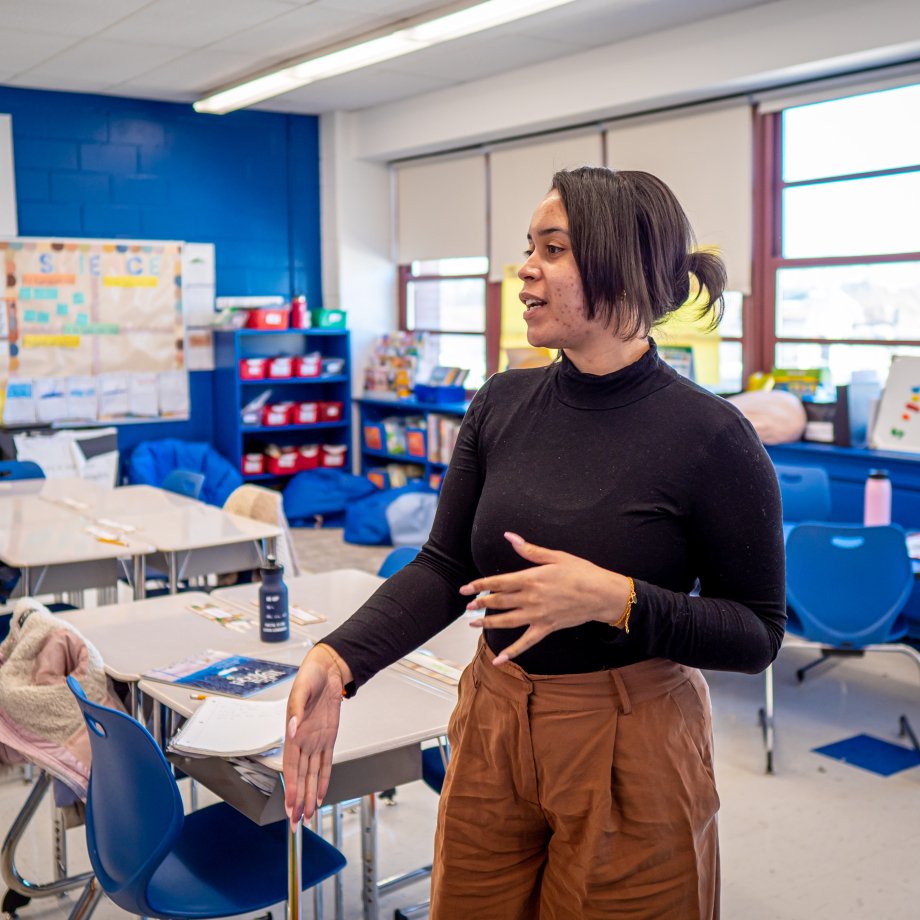
Teacher in classroom speaking

Advising

This Canvas page serves as an additional advising resource to our students - highlighting important information about registration, processes, procedures, and campus resources for students. 

Two people talking at a conference

Important Information for Students

You can pair our Educational Foundations major with the Elementary Education co-major for teacher certification, or you can complete our major alone for careers outside the classroom, such as community programming, education advocacy and policy, or public service.

If you have any questions, concerns, or student advising inquiries, we encourage you to reach out to our program and advising staff:

Department Administrator: Susan Hagen – hagens@montclair.edu
Advisor: Rosy Bido – bidor@montclair.edu
Advisor: Amanda Jimenez – jimeneza@montclair.edu
Program Assistant: Brenda Godbolt – godboltb@montclair.edu

Mission Statement

The Department of Educational Foundations explores the role of education in society, in both formal and informal settings, and interrogates theoretical discussions of education in academic, community, and social/political contexts.

The department has three central commitments:

Teacher helping student at desk

Analysis and critique of educational forms, practices and theories through multiple perspectives – psychology, sociology, history, philosophy, anthropology, and economics

Professionals discussion across a long table

Commitment to education as a means of advancing a just and democratic society
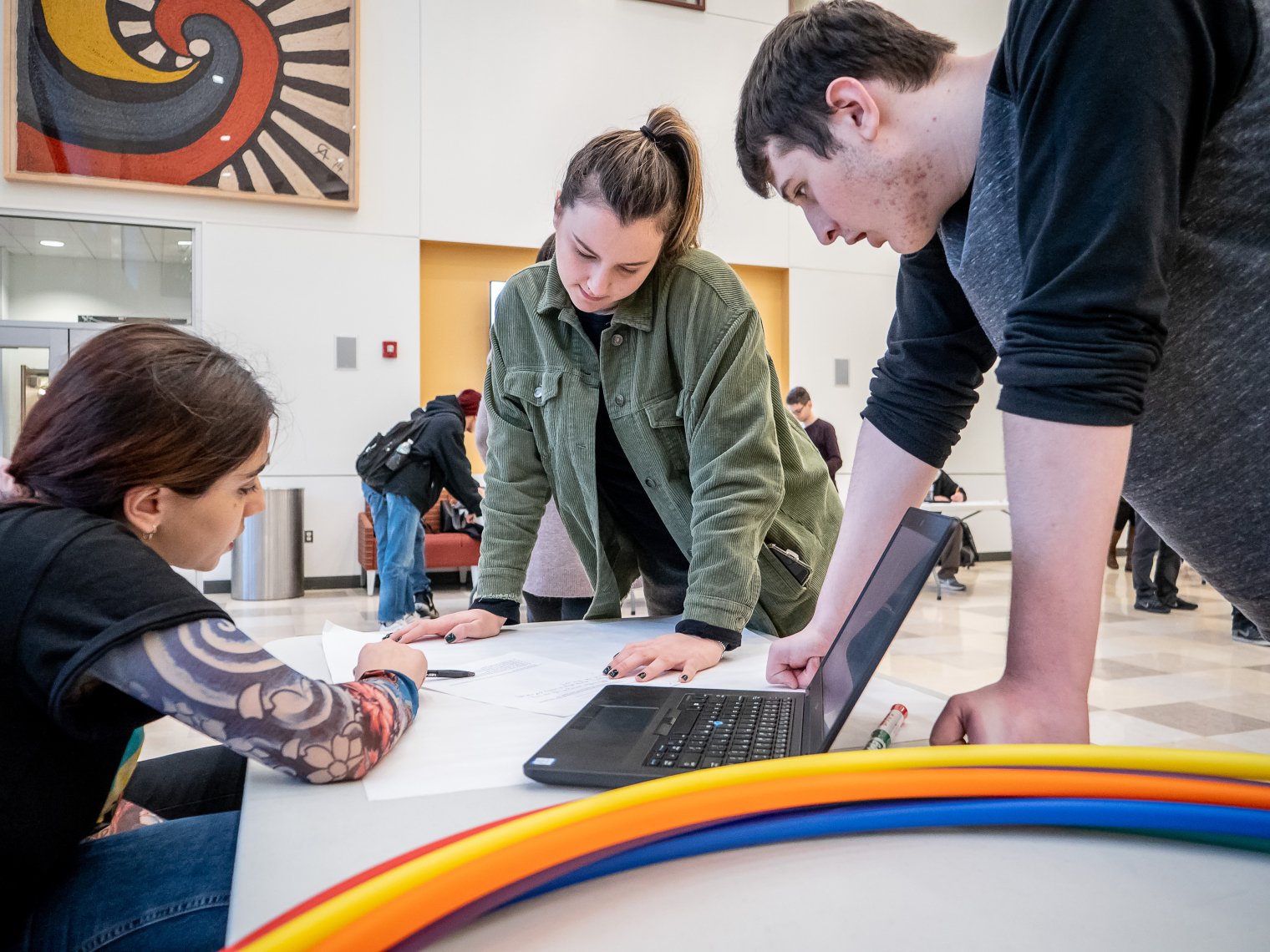
Three students discussing around a table with a laptop and hulahoops joops

Promotion and development of students’ critical, creative, and independent thinking


Department Objectives

Our faculty has developed a department mission with objectives in the following three categories:
 

To provide a quality curriculum at the bachelor’s, master’s and doctoral levels that facilitates students’ development of:

  1. An understanding of the philosophical, historical, sociological, political, psychological and economic foundations of education as a force in society.
  2. A theoretical understanding of the local, national, and global contexts of education, including a focus on urban education.
  3. An understanding of schooling as a social, political, and intellectual institution, with an eye to making schooling more democratic.
  4. An understanding of the methods, theoretical bases, purposes, possibilities, limitations and ethical dimensions of research and evaluation in education and related fields, and practical experience in applying this understanding.
  5. Creative thinking, as well as the ability and disposition to think critically and creatively.
  6. The ability and commitment to engage in a critical analysis of educational issues and the professional knowledge base of teachers, and to apply the results of that analysis to educational reconstruction.
  7. An attitude of care for and empathy with others and an awareness of and sense of responsibility for social problems.
  8. An understanding of the role of philosophy in the elementary and secondary curriculum, and in educational reconstruction.
  9. An understanding of childhood and youth from the perspectives of the disciplines other than education – e.g., history, philosophy, sociology, psychology, anthropology, economics, law, literature, and the arts – which promote reflection on educational theory and practice.

To promote collaborative inquiry within the department, the College for Education and Engaged Learning, the University, the surrounding community and the global community, including:

  1. Ongoing inquiry into the implications the quest for an inclusive and just society – not only within, but beyond education per se.
  2. Forums through which schools and communities outside the university have access to departmental resources, e.g., faculty consulting, service learning activities, and student and faculty research.
  3. Analysis and critique of the practice of schooling from philosophical, historical, social, political, psychological, and economic perspectives.
  4. Specific practices that instantiate the results of our inquiries, e.g., outreach programs, intra- and inter-department faculty collaborations, action research, and team teaching.
  5. Analysis and critique of the extent to which educational systems and discourses promote critical and creative thinking.
  6. Analysis and critique of the role of technology in education from philosophical, historical, social, political, psychological, and economic perspectives.

To continually reconstruct department goals and functions by:

  1. Cultivating financial and other resources from the university and from external sources that will enable the department to fulfill its mission and goals.
  2. Seeking opportunities for professional growth in teaching, research, scholarship, and service.
  3. Continually collecting information about social trends and movements in the foundations of education and reassessing the needs served by the department; and ongoingly evaluating and reconstructing department goals, programs, and procedures in light of that information.
  4. Further integrating technology into department programs, procedures, and services.
  5. Continually assessing the relationship of our department programs to the goals of the college and university and to the programs of other departments.
  6. Providing avenues for student input into department goals, programs, procedures, offerings and services.
  7. Establishing a departmental environment for students, faculty and others that is safe, fair, open, and inviting.

Staff

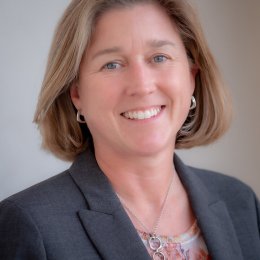
Susan Hagen

  • Department Administrator, Educational Foundations

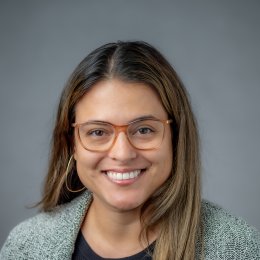
Rosy Bido

  • Academic Advisor, College for Education and Engaged Learning
1/

Faculty

Julia Coyne

  • Assistant Director of Clinical and School Psychology Training
1/

Adjunct Faculty

NameTitleEmail
John AdamskiAdjunct Instructoradamskij@montclair.edu
Florita CottoAdjunct Instructorcottof@montclair.edu
Evelyn De Jesus-QuilesAssistant Dean for Finance, Facilities, and Administration, College of Humanities and Social Sciencesdejesusquile@montclair.edu
Barry EhrlichAdjunct Instructorehrlichb@montclair.edu
Shakeira FairfaxAdjunct Instructorfairfaxs@montclair.edu
Monica GlinaAdjunct Professorglinam@montclair.edu
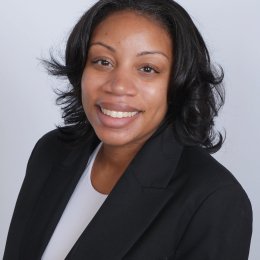
Brenda GodboltProgram Assistantgodboltb@montclair.edu
Irina KorolevaAssociate Director of Assessment and Accreditation, Academic Affairskorolevaai@montclair.edu
Sharon Lai-LaGrotteriaAssistant Director of Supplemental Instruction, Academic Affairslais@montclair.edu
Sabrina Misir HiralallAdjunct Professormisirhiralas@montclair.edu
Margo MoreaAdjunct Professormoream@montclair.edu
Jeanie ParkAdjunct Instructorparkje@montclair.edu
Samantha PiedeAdjunct Instructorpiedes@montclair.edu
Joseph PolvereAdjunct Instructorpolverej@montclair.edu
Alison Price-RomAdjunct Professorpriceroma@montclair.edu
Erin Riley-LepoAdjunct Instructorrileylepoe@montclair.edu
Kit SaizdelamoraAdjunct Instructorsaizdelamork@montclair.edu
Eric StromeAdjunct Instructorstromee@montclair.edu
Jiaxi WuEDFD Adjunctwuj@montclair.edu

Emeriti Faculty

First NameLast NameEmeritus Date
Kathryn                                                        Herr                                                      2024                                                                                             
DavidKennedy2023
TamaraLucas2024


Contact Us!

Educational Foundations Department

Educational Foundations programs explore the role and purposes of education in American public life. Our undergraduate major is an interdisciplinary liberal arts degree that prepares students for a wide range of careers. This major may also be paired with the Elementary Education BA for students seeking teacher certification.