PFAS in the Environment: Challenges in Understanding Their Occurrence, Fate, and Treatment
Dr. Arjun Venkatesan, Associate Professor, Department of Civil and Environmental Engineering, NJIT presents this week's seminar.
- Date
-
Recent
- -
- Location
- Virtual Zoom
- Organizer
About the Speaker
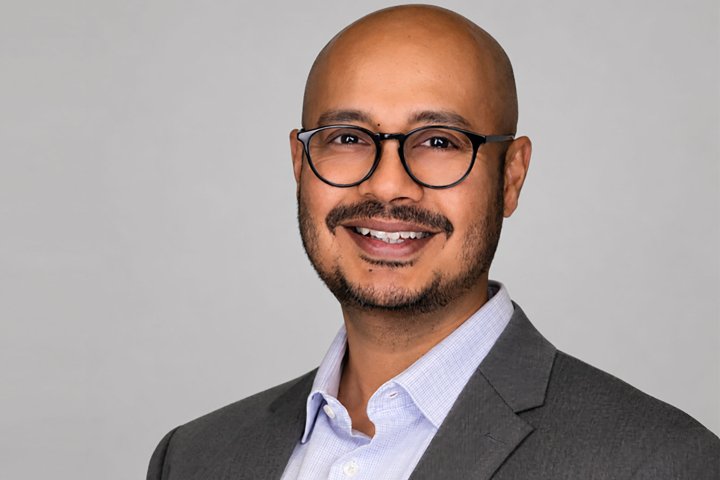
Dr. Arjun Venkatesan is an Associate Professor in the Department of Civil and Environmental Engineering at the New Jersey Institute of Technology (NJIT), where he directs the Emerging Contaminants Research Laboratory (ECRL). His research group investigates the occurrence, fate, and treatment of toxic chemicals in the environment, including PFAS, 1,4-dioxane, and pesticides. They also develop innovative analytical and monitoring approaches to assess human and environmental health risks associated with toxic exposures and drug use. Dr. Venkatesan has secured and managed over $8 million in external research funding from federal agencies (NSF, U.S. DoD, U.S. DOE, USBR), state governments (NY, NJ), private foundations, and industry partners. He is a recipient of the 2025 40 Under 40 Rising Stars award from the American Academy of Environmental Engineers and Scientists. He earned a Master’s degree in Environmental Engineering from the University of Nevada, Las Vegas in 2009, and a Ph.D. in Environmental Engineering from Arizona State University in 2013. To date, Dr. Venkatesan has published over 75 peerreviewed journal articles on topics such as emerging contaminants, wastewater-based epidemiology, and water treatment.
Abstract
Per- and polyfluoroalkyl substances (PFAS) are characterized by extreme chemical stability and strength, making them highly persistent in the environment. Their widespread presence and association with numerous adverse health effects in both humans and animals have made them a global concern. Out of more than 15,000 PFAS compounds, only a select few are currently being considered for regulation by the USEPA, with proposed limits as low as 4 ng/L in drinking water. These stringent limits pose significant challenges for water utilities and drive-up treatment costs. Decades of research have shown that no single treatment method is sufficient, and a combination of technologies is needed to effectively concentrate and destroy PFAS. In this presentation, I will summarize ongoing efforts in our Emerging Contaminants Research Laboratory at NJIT to assess the occurrence, fate, and removal of PFAS using innovative approaches.
- Topic
- Audience