
Department of Teaching and Learning
- College for Education and Engaged Learning
The Department of Teaching and Learning offers rigorous training, innovative research, and a network of partnerships to prepare teachers for the reality of schooling and to be equipped to recognize and disrupt systemic and social inequality.
- 973-655-5407
- University Hall Room 3160
- Academic Term: Mon-Fri 8:30AM-4:30PM

Portrait of a Teacher
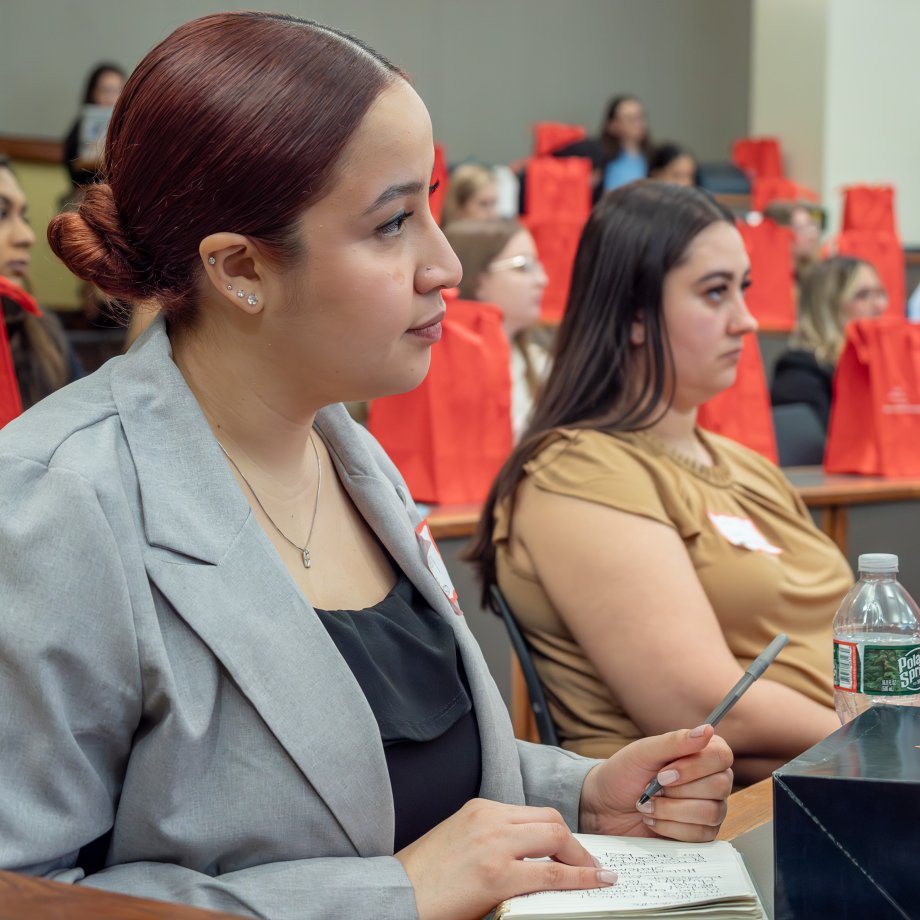
The centerpiece of our work is a document called the Portrait of a Teacher, which, through a series of statements, embodies Montclair State University’s vision of an educator and informs the evaluation of candidates to the teacher education program, the assessment of student teaching, and the professional development of our community of teachers.
Academic Programs
Undergraduate
- Teaching English Language Learners in Early Childhood and Elementary Settings (TELL) Minor
- Certificate in General Education Studies (CGES)
Teacher Education at the undergraduate level is offered through a variety of majors.

Dual Bachelor’s and Master’s Degree and Dual Teacher Certification Programs
Many bachelor’s degree programs also offer an accelerated pathway that allows you to earn your BA/BS and an MAT with Teacher Certification in just five years. This is an excellent choice if you’d like to teach a specific subject (like Physics or Literature) at the high-school level.

Alternate Route Teacher Certification
If you’re already working in a New Jersey school under a Certificate of Eligibility (CE), the Alternate Route program may be your best way to also obtain your New Jersey Teacher Certification.
Alternate Route Teacher Certification Program
Graduate
- MAT – Master of Arts in Teaching
- MA in Reading
- MEd in Special Education
- MEd in Teaching for Equity and Justice
- Teacher of Students with Disabilities Certification (Additional Certification in P-3, K-6, or Content Area)
- Multi-Tiered Systems of Support (MTSS) Certificate - Online
- K-12 Computer Science Teaching Certificate – Online
- Bilingual Bicultural Education Endorsement Program
- Reading Specialist Certification
- PhD in Teacher Education and Teacher Development
Faculty Highlights
$3.5M Grant Supports School Mental Health Training
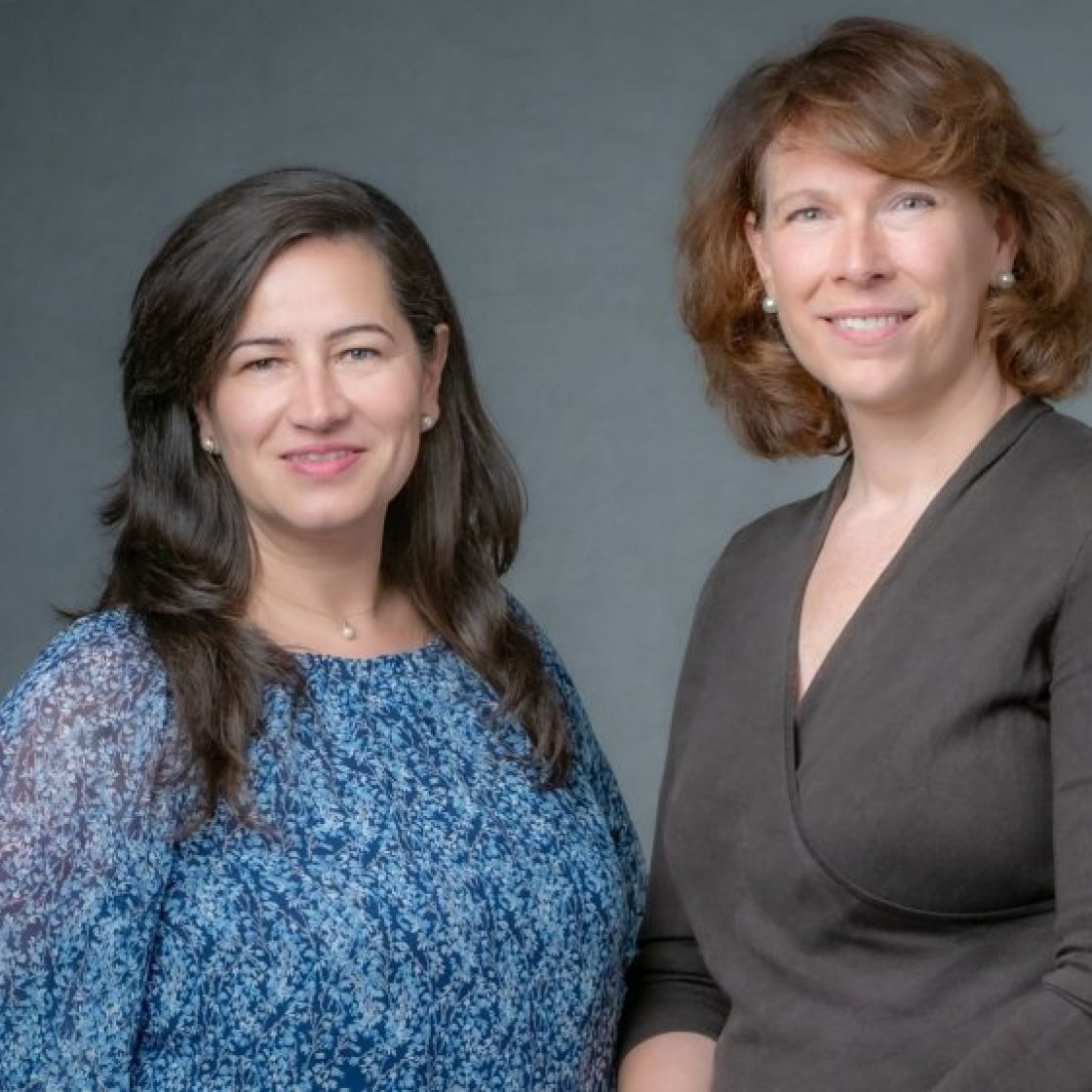
Talida State and Julia Coyne secured a five-year, $3.5 million grant from the U.S. Department of Education to address shortages in school psychology and mental health services. The funding will support the EPIC-MHP program, which will train 60 graduate students and strengthen partnerships with New Jersey school districts to expand access to school-based mental health support.
Read more about the project here.
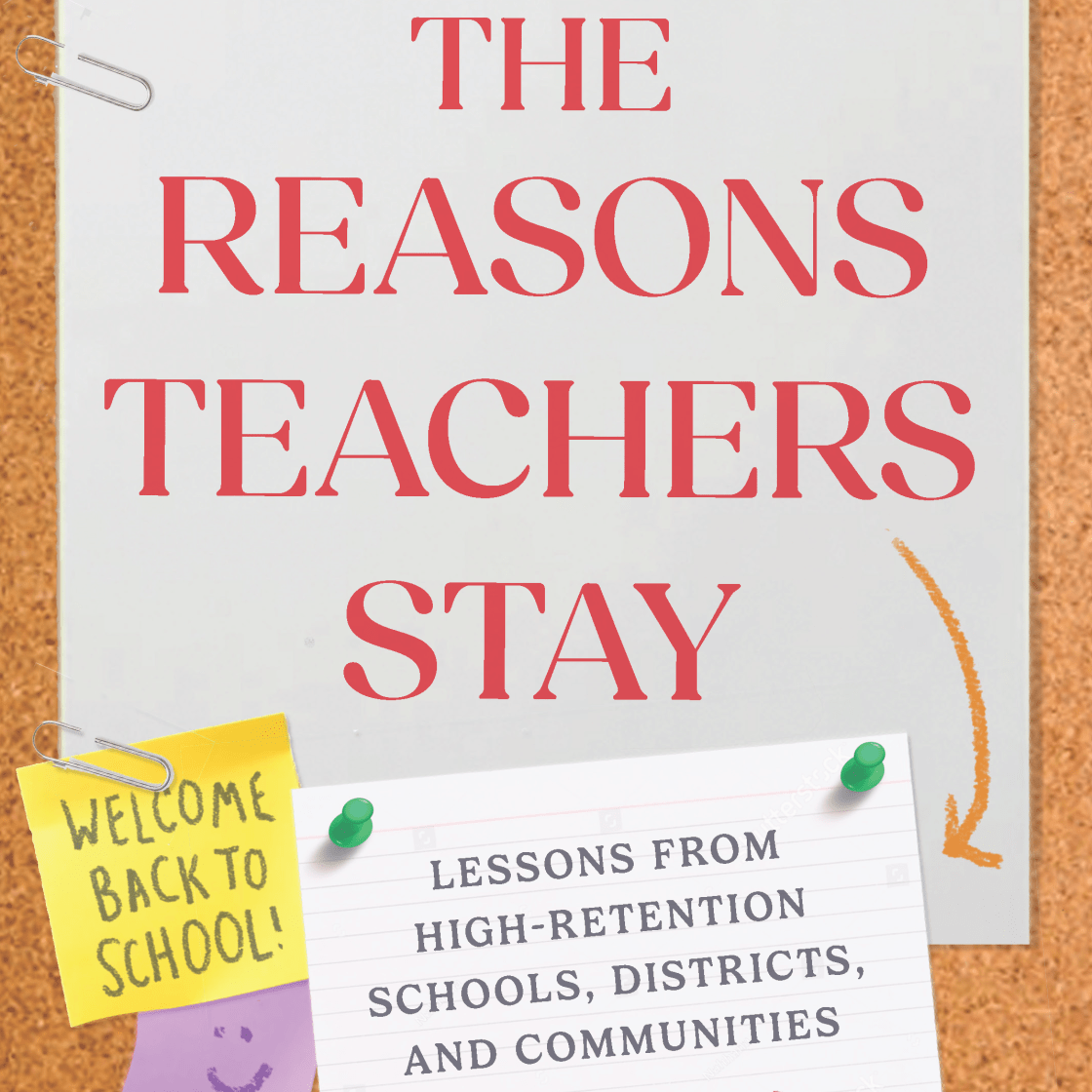
New Research on Teacher Retention
In The Reasons Teachers Stay: Lessons from High-Retention Schools, Districts, and Communities (2026), Douglas Larkin and Suzanne Poole Patzelt examine why teachers remain in the profession, shifting the conversation from teacher attrition to teacher retention. Drawing on a five-year empirical study of high-retention schools and districts, the book identifies the key organizational, professional, and community factors that support long-term teacher success and offers practical guidance for building supportive school environments.
Learn more about the study here.
News and Announcements

Contact Us!
Teaching and Learning Department
The Department of Teaching and Learning offers rigorous training, innovative research, and a network of partnerships to prepare teachers for the reality of schooling and to be equipped to recognize and disrupt systemic and social inequality.
- 973-655-5407
- University Hall Room 3160