Projects & Initiatives

The Project Management Office (PMO) defines and oversees the processes, governance, and methodologies that support effective strategy realization and execution across the University. This includes ensuring alignment with institutional priorities - "doing the right things” through project portfolio management - and enabling disciplined delivery - “doing things right” through project management practices. Together, these functions help ensure that resources are used effectively to achieve enterprise objectives.

Tools, Templates, & Forms
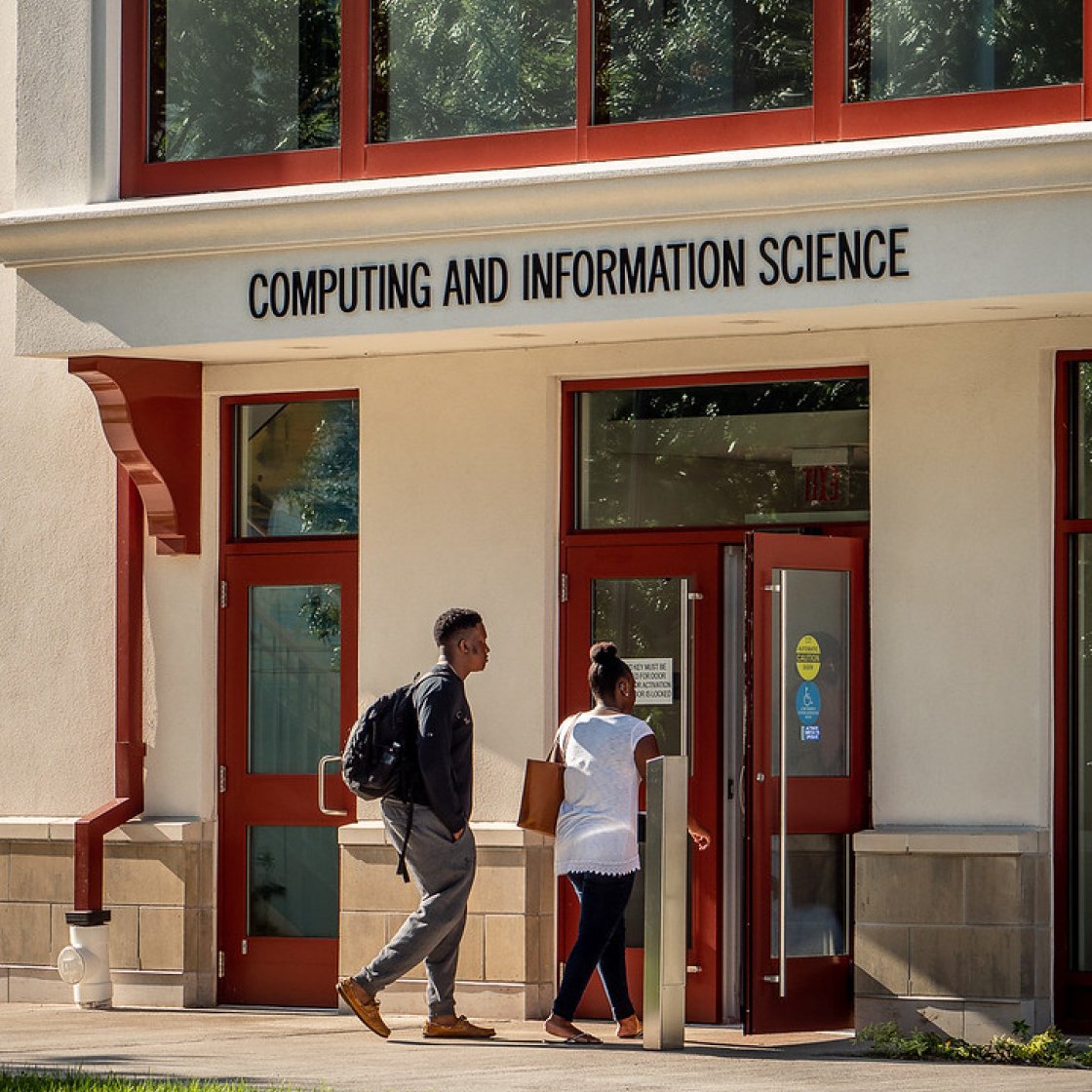
two students walking into the computing and information sciences building

What do we mean by creating value?

Creating value means identifying and prioritizing initiatives that most effectively advance the University’s mission and strategic goals. Evaluating projects based on their expected impact, alignment with institutional priorities, and the level of investment required - including time, effort, and cost. By weighing benefits against resource demands, the University can focus on the initiatives that deliver the greatest overall value.

This disciplined approach ensures that limited resources are directed toward the efforts that matter most and contribute meaningfully to institutional success.

Delivering Value

What do we mean by delivering value?

If creating value is about focusing on the right initiatives, delivering value is about executing those initiatives effectively. This means ensuring that projects are well‑planned, managed, and delivered efficiently.  This is where the project management and methodology plays an important role and defines the key aspects for initiation, panning, execution, monitoring and controlling and closing of projects. Key aspects are:

Scope Management is the process of identifying the work required to complete the project.

Time Management is the process of organizing and planning the time spent on the project activities to increase effectiveness and productivity.

Cost Management is the process of managing the cost of a project. This includes planning, estimating and budgeting to ensure that the project is completed within the approved budget.

Quality Management is the process of ensuring that the product delivered at the end of the project meets the requirements and expectations of the stakeholders. Through quality planning, quality assurance and quality control the project activities and tasks will be maintained at the desired level of excellence.

Resource Management is the process of ensuring that the right resources are made available at the right time for the right tasks.

Communications Management is the process involved in the generation, collection, distribution, storage and retrieval of project information. Through the identification of stakeholders, communications plan, distribution of information, managing stakeholder expectations and reporting performance, all members of the project team are kept abreast of progress of the project.

Risk Management is the process involved in identifying, assessing and prioritizing potential risks and setbacks for a project. It also involves providing strategies to manage those risks including the steps to be taken to prevent the risk from occurring and/or reduce the impact of the risk.

Procurement Management is the process of establishing relationships with outside vendors and suppliers for goods and services needed to complete a project.

Frequently Asked Questions

A project is a unique and temporary endeavor that has a specific start and end date that results in the creation of a specific product or service.

Project Management is the application of knowledge, skills, tools and techniques to project activities to meet project requirements.

It is a collection of projects and programs that are developed and executed across IT and consolidated into a single view or overall value and risk.

To start a project, fill out and submit the Project Request Form. The Division of IT reviews requests monthly. Please provide full and accurate details to support timely evaluation.

For assistance please contact Sharif Akkara at akkaras@montclair.edu.

Tools, Templates and Forms

The documents provided below represent a curated set of commonly used project management templates are for use on any Montclair State University project or initiative. The documents are organized according to each phase of the project life-cycle.

Initiation

To start a project, fill out and submit the Project Request Form. The Division of IT reviews requests monthly. Please provide full and accurate details to support timely evaluation.

Project Request Form 

This document will outline the purpose of the project, the way the project will be structured and how it will be successfully implemented.

Project Charter

This excel workbook will guide you through estimating the cost of your project.

Cost Benefit Estimating Sheet

Planning

This checklist captures common elements that should be present in the system architecture and application design.

Architecture Review Checklist

This document will outline the test strategy, objectives, resources required for testing, test schedule, test estimation and test deliverables.

Test Plan

This document is a template of a Testing Log (Test Cases and Results) document for a project.

Test Case and Result Template

Monitoring and Controlling

Project Plan document is a structured outline that defines the scope, timeline, key milestones, and responsibilities for a project. It helps ensure all stakeholders are aligned and provides a roadmap for tracking progress from initiation through completion. Contact PMO for assistance with template.

A central document to to track risks, assumptions, issues, and key decisions throughout a project. It promotes transparency, supports informed decision‑making, and helps teams proactively manage potential challenges. Contact PMO for assistance with template.

Closing

This document is a checklist/worksheet that will help to ensure the proper transfer of project into operations.

Operational Handover

The Lessons Learned template can be used to document and analyze the lessons learned from a project to apply them to future projects

Lessons Learned Template

Who to Contact