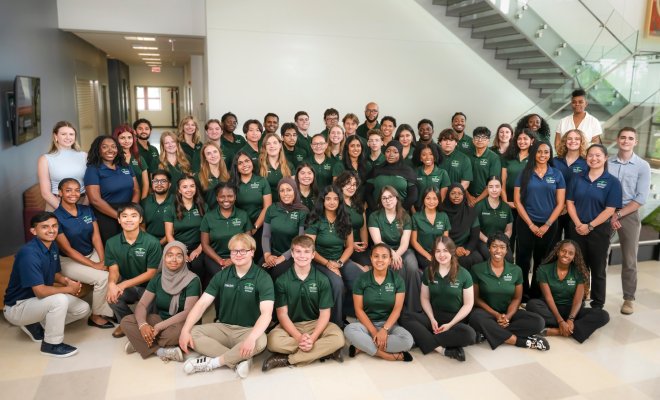
2026 Cohort and Staff

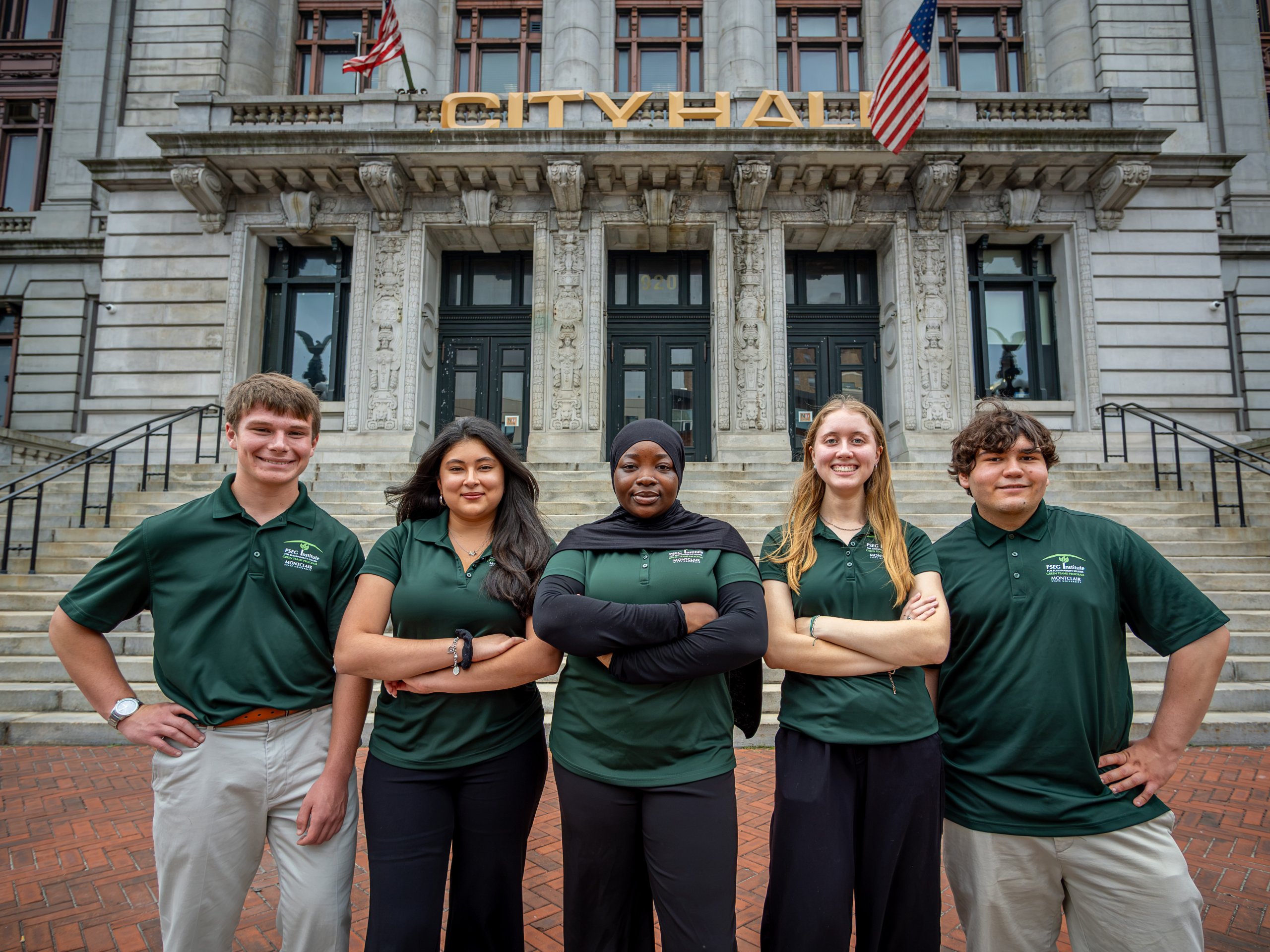
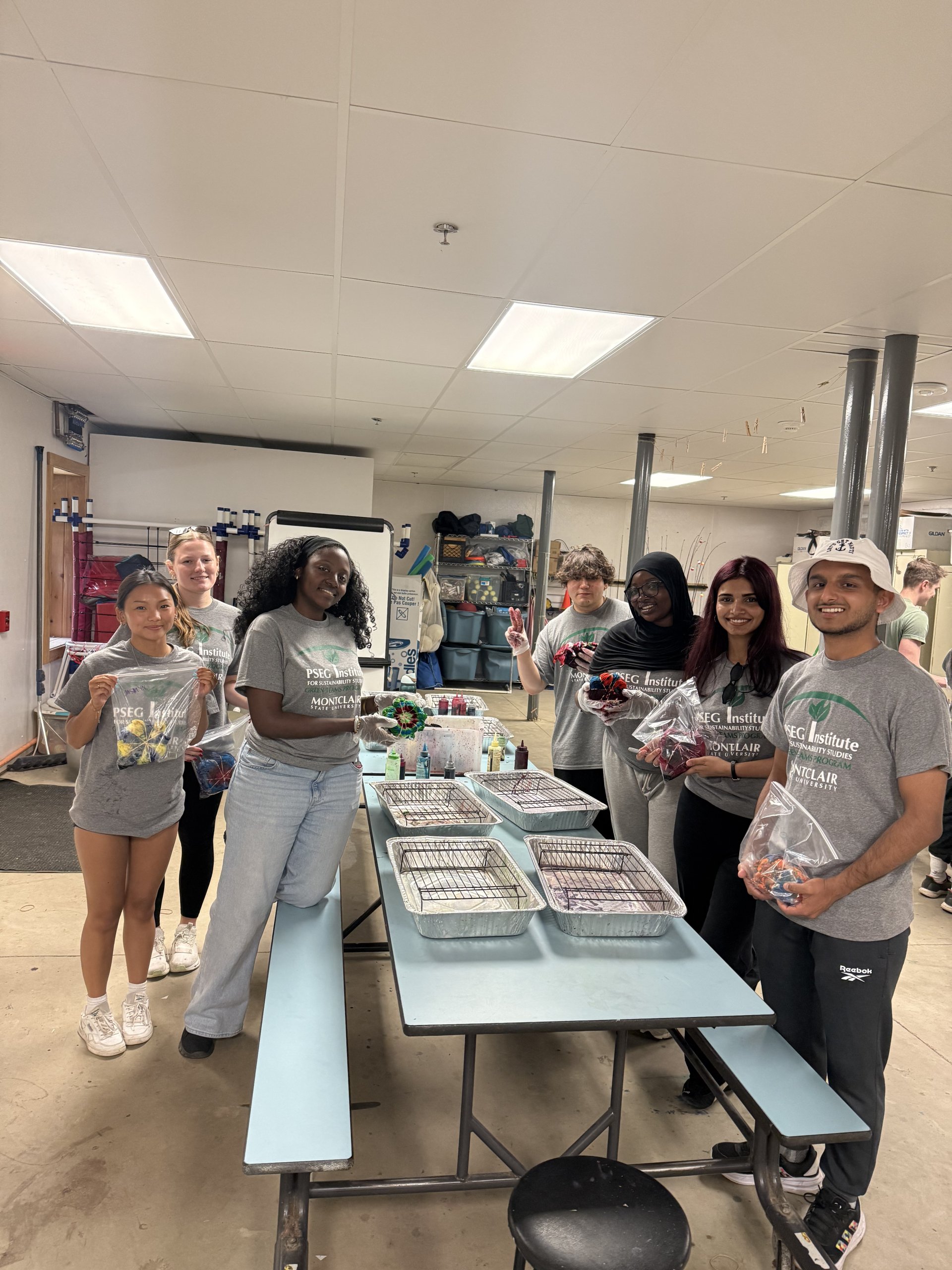
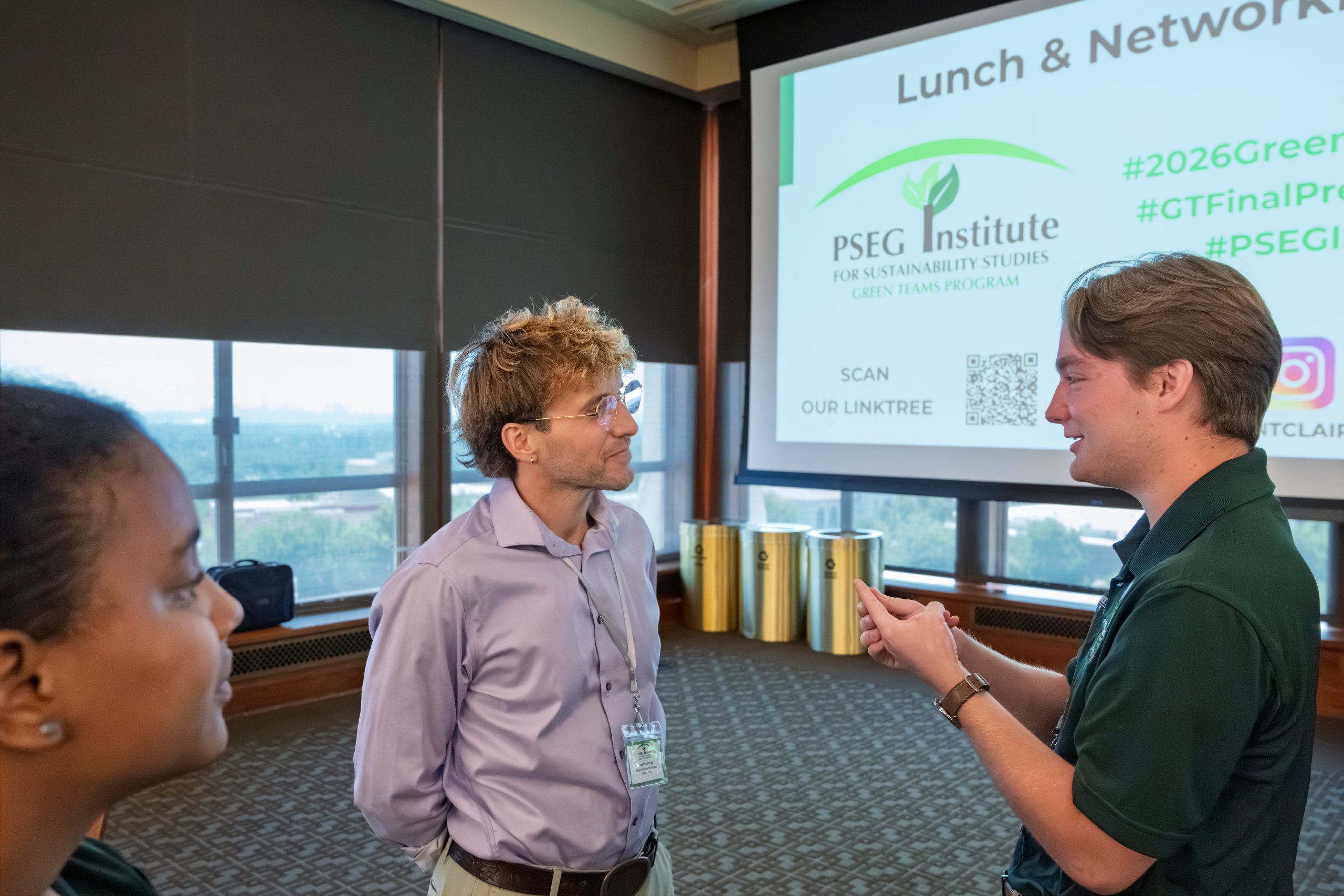
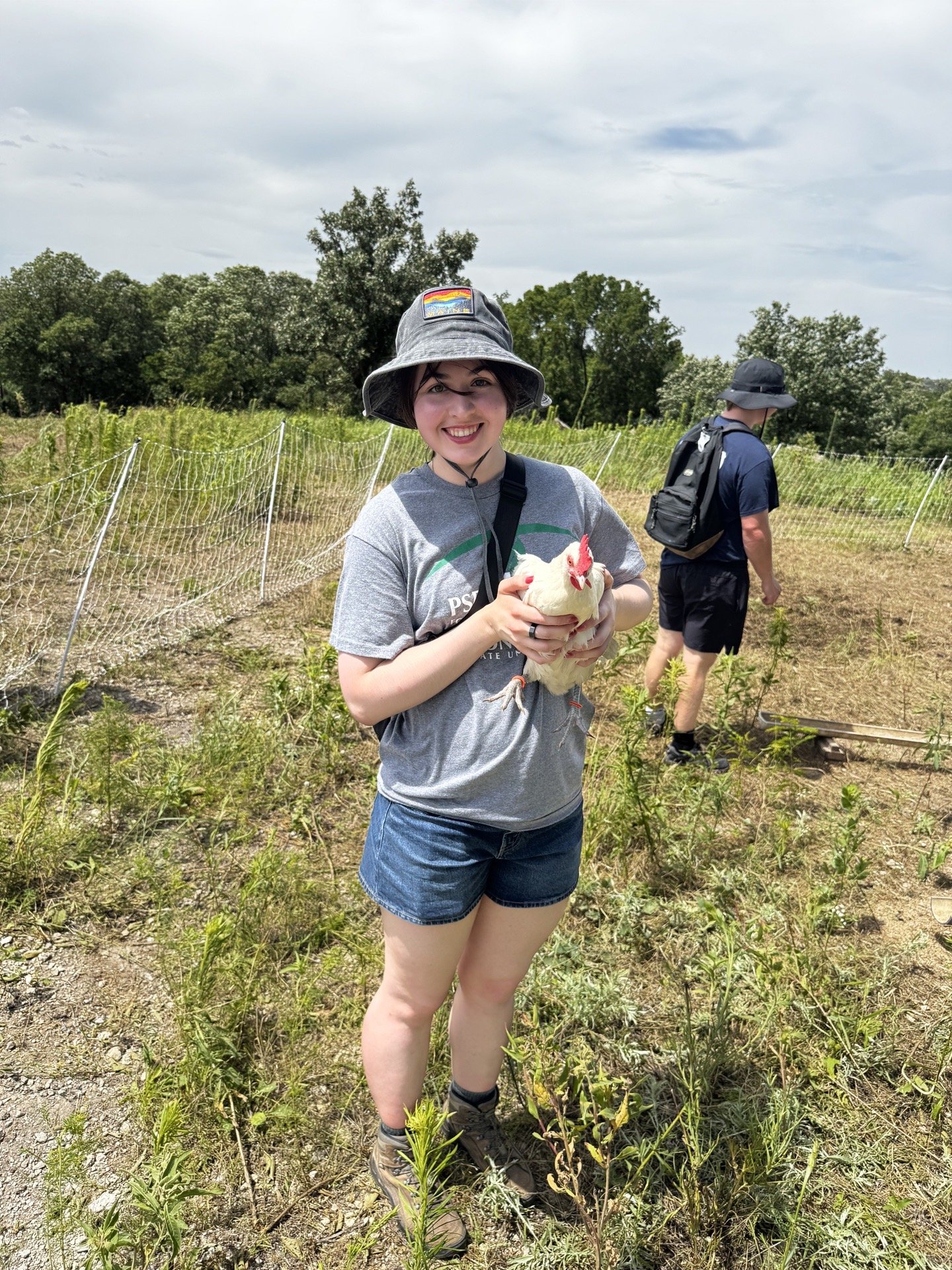
The Green Teams Program is as a trans-disciplinary internship program for upper level undergraduate students from any discipline who have an interest in sustainability. These teams of students serve corporations, non-profit organizations, municipalities and community groups to address sustainability issues identified by the host organizations. Teams of five students are constructed from diverse applicants whose backgrounds match those required to achieve the deliverables requested by partner organizations. PSEG ISS provides training throughout the program in core sustainability subjects, hands-on experience with sustainability skills, guidance in professional development and communication, and team building. Students also participate in community service and go on field trips throughout the summer to showcase connections between their projects and real-world sustainability endeavors.
If you have any questions, please feel free to reach out to us as GreenTeamsApply@montclair.edu.


Experiencing the Green Teams Program

2026 Launch


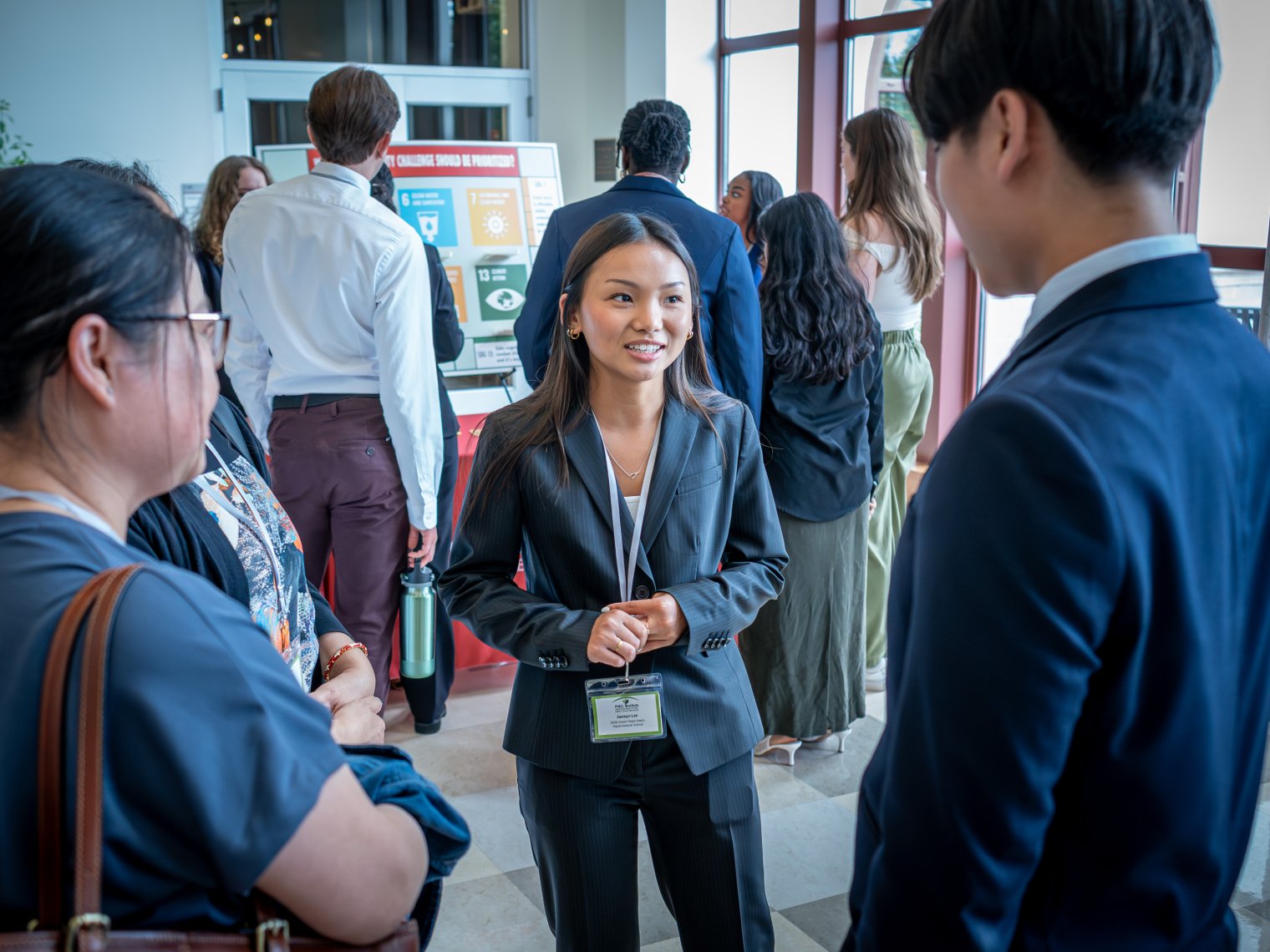
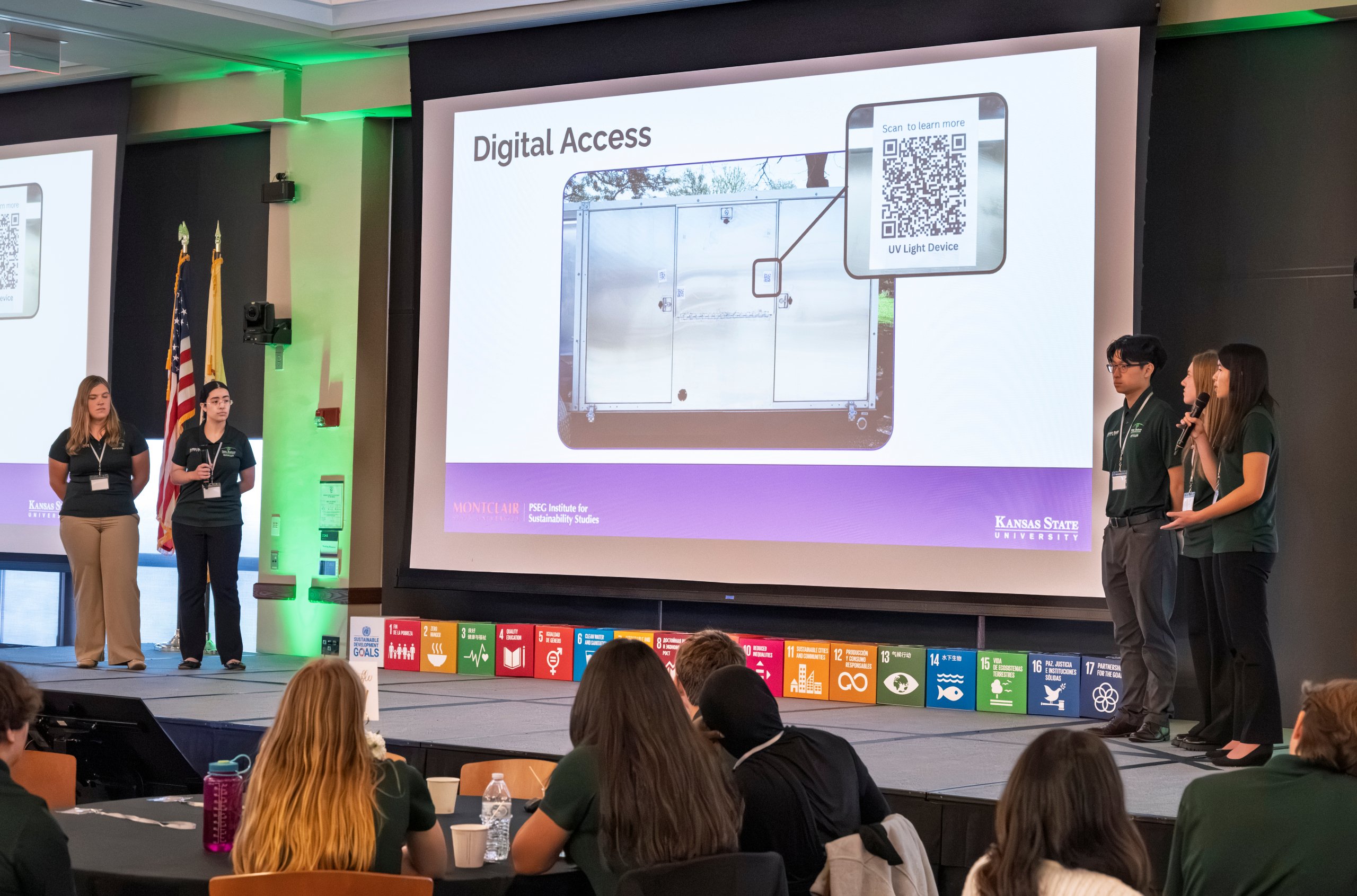
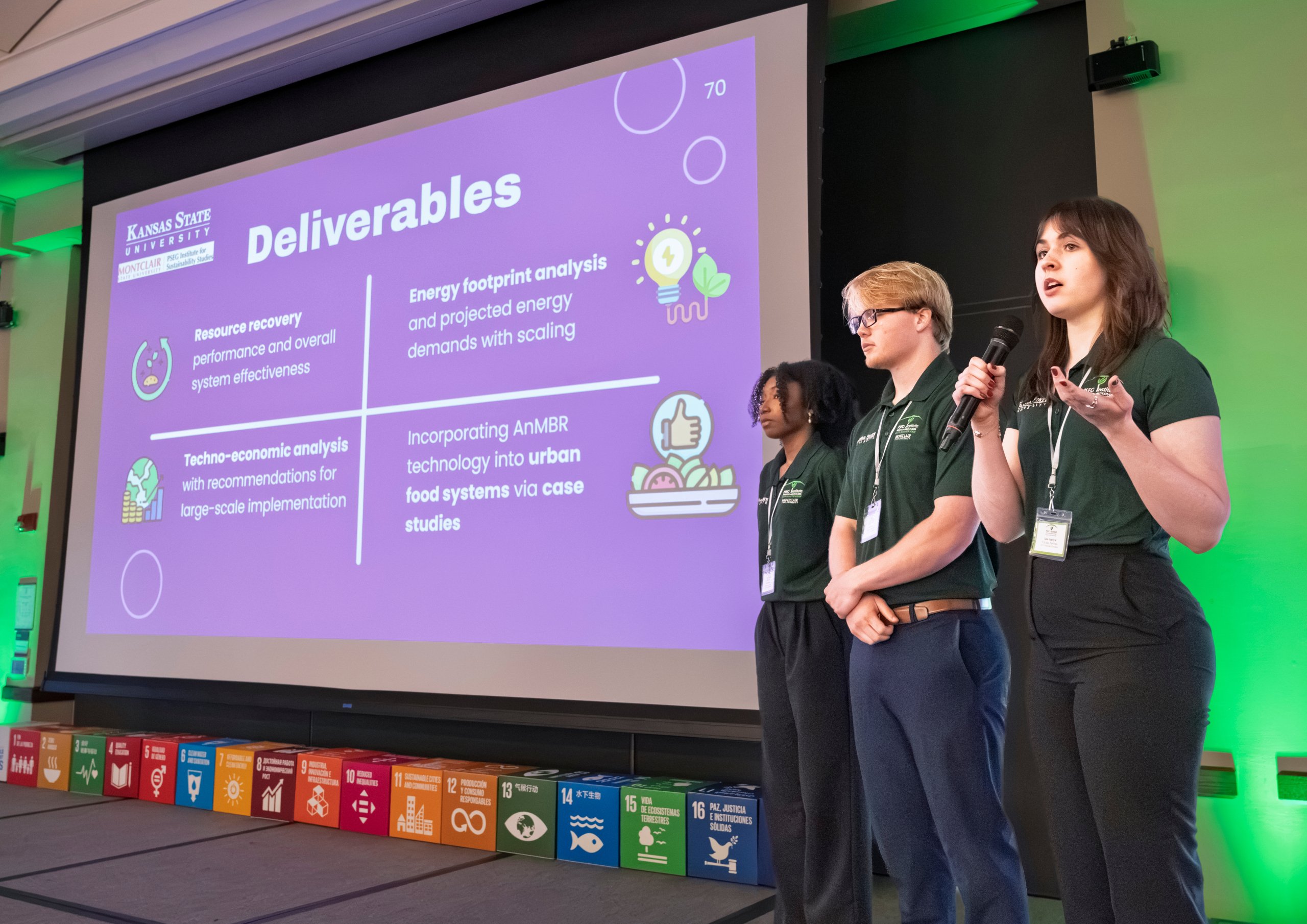
Intern teams make site visits to their host organizations at least once throughout the summer and meet weekly with host representatives to discuss the progress of their deliverables. Interns are trained and conduct the majority of their work on-site at Montclair State University under the supervision of a diverse leadership team, working full-time over the 11-week period. At the end of the program, intern teams present their work in a comprehensive written report to their hosting organization and give a group TED Talk-style presentation to a broad audience.


The experience of Green Teams interns includes learning first-hand how organizations and businesses function; becoming experienced in developing projects and creating deliverables; understanding and envisioning how sustainability intersects with various career pathways; establishing a network for future internships and employment opportunities; interacting with local community members; gaining experience in applied science; improving communication and team-work skills; developing and implementing surveys and marketing tools; writing professional reports and delivering professional presentations; assessing environmental impacts; and much more!
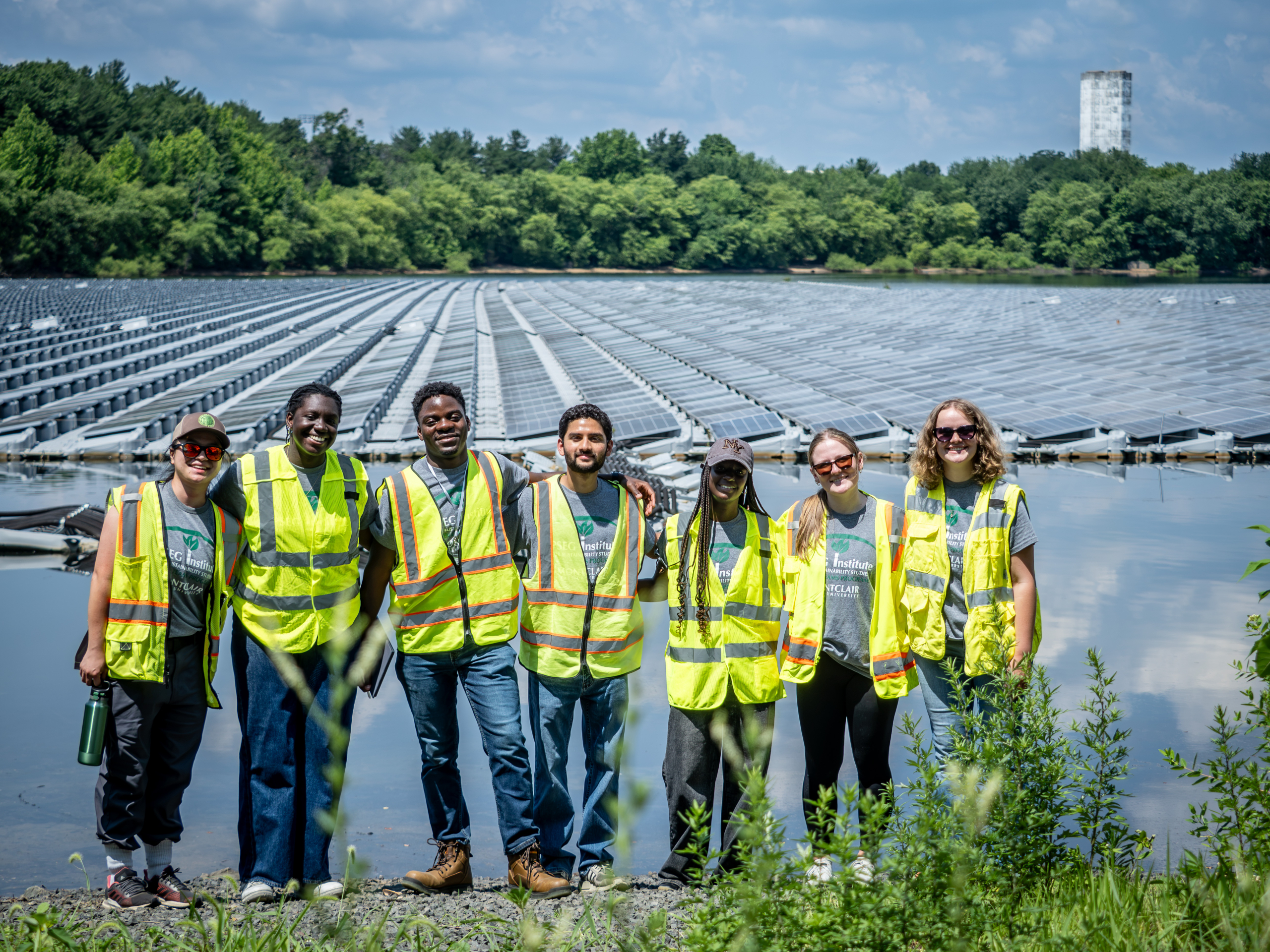
Washington Surveys


Intern and Host Organization Testimonials

How do Green Team Interns feel about their experience?

What do our corporate partners and alumni have to say about the Green Teams?

Green Teams Project Spotlights

Host Organization Types and Deliverables

Eisai - 2026

The 2026 Eisai Green Team continued building off of the 2025 Green Team’s efforts to collect, organize, and analyze currently available Scope 3 emissions data, and establish clear workflows for Scope 3 data collection moving forward. Using the 2025 dashboard as a model, the 2026 Green Team conducted a comprehensive data inventory, validated classifications, and closed process gaps. The Green Team serving Eisai produced the following deliverables:

  • A detailed Scope 3 data inventory, outlining clear ownership across procurement, finance, and logistics departments
  • Reviewed and corrected NAICS codes utilizing Eisai-provided AI software
  • An established workflow for Scope 3 data reporting, reducing manual handoffs and redundant steps
  • A recommendation plan addressing EY Scope 3 assessment gaps, strengthening methodology, documentation, and evidence retention to boost review readiness

Port Authority of New York and New Jersey - 2026

The 2026 PANYNJ Green Team evaluated facility-level waste infrastructure, hauling contracts, and data across New York and New Jersey to provide inventory, a mapped database, and reports. The team also provides a comparative assessment of NY & NJ waste laws and requirements. The team serving PANYNJ produced the following deliverables:

  • A comprehensive inventory of facility-level waste infrastructure, including dumpster locations and servicing logistics
  • A mapped database of all existing waste hauling contracts and the buildings they serve across states, in coordination with internal waste specialists, to clarify service coverage, overlaps, and gaps
  • A comprehensive report on collected 2025 waste data
  • A comparative analysis of waste laws and requirements across New York and New Jersey, identifying key differences, challenges, and opportunities for alignment
  • An assessment of existing diversion systems and practices across PANYNJ facilities, identifying gaps, barriers, and opportunities for expansion

New Jersey Resources - 2023

The Green Team serving New Jersey Resources assisted with waste management and policy analysis to drive more local food-related emissions recovery and energy capture through the following deliverables:

  • Conducted research and analysis on current state policies on food waste as they relate to feasible and profitable energy capture from food waste emissions
  • Proposed amendments to P.L. 2020. cc. (N.J.S.A. 13:1E-99.122) and the rationale behind the recommendations
  • Identified and map food waste sources and facilities within New Jersey Natural Gas service territory
  • Provided an estimate of vegetative waste tonnage disposed of within NJNG service territory and analysis of RNG volumes that could result from using synthetic gasification with this waste
  • Translated increased potential into RNG volumes, costs & emissions reductions
  • Summarized requirements for NJR to transition to using gas in ways recommended through sources identified and with policy changes recommended

The Nature Conservancy - 2025

The Nature Conservancy Green Team completed a series of deliverables that combined technical analysis with community outreach. These efforts included reviewing feasibility studies, developing communication tools, building climate risk datasets, and conducting a cost-benefit analysis of green infrastructure implementation. Together, these deliverables provided both actionable data and accessible resources for the City of Paterson and its residents. The work of this Green Team resulted in the following:

  • Feasibility Study Analysis: Reviewed the WSP Green Infrastructure (GI) Feasibility Study, created notes and a database of key values, and used the findings to inform subsequent deliverables.
  • Outreach Materials: Produced infographics, videos, and an ArcGIS StoryMap to educate landowners and the community about flooding issues and GI solutions.
  • Social Media Campaign: Filmed eight outreach videos, including a general GI overview, a Paterson-specific GI video, and six videos covering specific GI types (pervious pavement, bioretention systems, rain gardens, planter boxes, cisterns, and downspout planters).
  • Climate Risk Dataset: Built GIS layers mapping flood risk, heat risk, and vulnerable communities, culminating in a climate prioritization dataset for future policy use.
  • Cost-Benefit Analysis: Modeled the return on investment (ROI) of GI implementation over 1-, 5-, and 30-year horizons, quantifying co-benefits, maintenance costs, and ward-level priorities.

Foodshed Alliance - 2025

The Foodshed Alliance Green Team worked to advance sustainable farming practices through robotics, soil science, and spatial analysis. Their work combined hands-on field trials, sensor development, and drone/GIS mapping to study the impacts of biochar and compost on soil health. The results highlight innovative approaches to soil monitoring, data collection, and sustainable resource management.

  • Programmed a robotic hand to autonomously grip, insert, and swap soil sensors with 3D-printed mounts for hands-free field sampling.
  • Designed and mapped 48 plots for biochar and compost application, guided by a literature review.
  • Built an Arduino-based system in a custom 3D-printed case to collect soil temperature, moisture, humidity, and NPK data.
  • Conducted a parallel pot study with identical amendment rates, tested on campus, and validated with Rutgers University soil results.
  • Field-tested a Husky A200 rover for sensor deployment and compared soil moisture data to the pot study.
  • Captured NDVI drone imagery and analyzed crop stress and vegetation cover with ArcGIS Pro.
  • Upgraded Arduino R4 WiFi system for real-time, timestamped data with LoRa/SD logging and weather-resistant 3D-printed casings.
  • Created geo-referenced maps and soil health zones, integrating drone imagery and historical data for long-term analysis.
  • Applied biochar at controlled rates and monitored pre-/post-treatment soil conditions with robotics and lab testing to evaluate effectiveness.

Greener Bloomfield - 2024

The Green Team supporting Greener Bloomfield and the Township of Bloomfield developed resources, conducted assessments, and created plans to guide the establishment of a community microforest. Their work included the following deliverables:

  • Educational Outreach: Created educational materials explaining the value of microforests for air quality, biodiversity, stormwater retention, and heat island mitigation.
  • Community Engagement: Engaged community stakeholders to co-create a vision for the microforest site on a vacant lot.
  • Impact Assessment: Conducted an environmental, social, and economic impact assessment for the half-acre site.
  • Implementation Outline: Recommended project specifications including soil amendments, tree species selection, planting strategy, and location planning.
  • Outcomes Forecast: Investigated and predicted the potential impacts of the microforest.
  • Future Project Timeline: Developed a project roadmap outlining the development sequence, cost estimates, and 3–5 year maintenance needs.

Hazel Avenue Elementary School - 2026

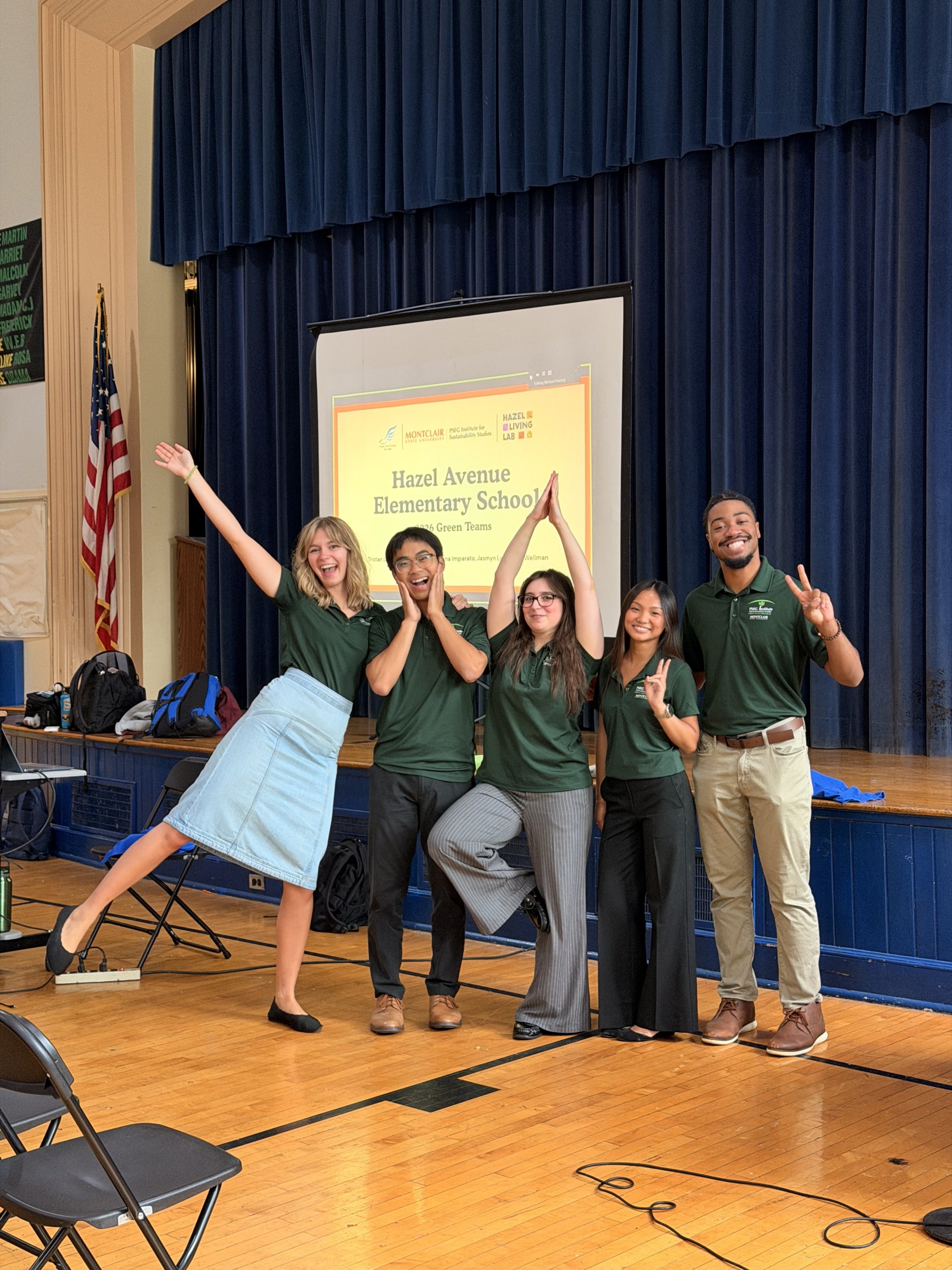
The 2026 Hazel Avenue Elementary School Green Team created a longevity and implementation plan for the school's upcoming greenhouse. The team worked alongside Hazel Avenue teachers and administration to incorporate the greenhouse into multiple grade level curriculums, engage students and family members, and create volunteer operation and maintenance manuals to ensure the greenhouse is well maintained through rotating volunteers. The Hazel Avenue Green Team produced the following deliverables:

  • Teacher toolkits containing interactive lesson plans to incorporate the greenhouse into curriculums across grade levels
  • A Student Leadership Pathways program proposal, with a list of set action items related to greenhouse activities that will offer students a “Greenhouse Leader” position
  • An operation and maintenance guide for volunteers, outlining tiered volunteer positions, designated responsibilities, and a clear reporting structure
  • Enhancement of current volunteer engagement efforts, supporting the longevity of volunteer engagement and volunteer incentives
  • A greenhouse database, outlining key data metrics to be collected, instructions on how to collect the data, and interim reporting deadlines

Greens Do Good - 2024

Greens Do Good, a hydroponic vertical farm in Hackensack, NJ, is dedicated to transforming how the local community sources fresh, sustainable produce while empowering individuals with autism. Through its Workforce Development Program, Greens Do Good provides teens and adults with autism hands-on training and paid employment, teaching essential job skills and environmentally sustainable farming practices. The Green Team serving Greens Do Good worked on the organization’s vertical hydroponic farm o learn about small-scale urban farming and create a training module on virtual reality to help train workers with autism. Building on the work of the 2023 Green Team, the 2024 team produced the following deliverables:

  • Updated the 2023 Green Teams prototype to a mixed reality Finalize 8 interactive XR training modules with structured task flows covering vertical farming tasks for seeding, watering, pruning, and harvesting.
  • Integrate accessibility features, including adjustable audio guidance, visual cue options, and simplified or advanced interaction modes to support diverse user needs based on learning capabilities.
  • Implement in-VR learning support such as progress bars, scaffolded feedback, guided narration, and repeatable practice modes to reinforce procedural learning.

The City of Newark Office of Sustainability - 2026

The 2026 City of Newark Green Team advanced the City’s Sustainable Jersey certification from Bronze to Silver. To support this effort, the team led community education and engagement initiatives, proposed policy on energy efficiency, light pollution, and green purchasing, and proposed sustainable alternatives to current supplier streams. The Green Team serving the City of Newark produced the following deliverables:

  • Completed action items required to achieve Silver Sustainable Jersey certification
  • Proposed policy sufficient to complete the following Sustainable Jersey action items: Energy Efficiency for Municipal Facilities, Green Purchasing Policy, and Upgrade/Retrofit-Light Pollution
  • An implemented composting initiative, educating and encouraging residents to engage in backyard composting
  • A full suite of community-focused infographics and interactive materials and workshops communicating the City of Newark’s various sustainability efforts and programs, completing the Grass- Cut It and Leave It Program and Backyard Composting Program Sustainable Jersey action items
  • A completed inventory of Newark’s current paper supply with sourcing information, and propose alternative vendors to satisfy the minimum 30% post-consumer recycled content requirement for the Recycled Copy Paper Sustainable Jersey action item
  • A prioritized roadmap outlining next steps toward Gold certification

The Township of Washington - 2026

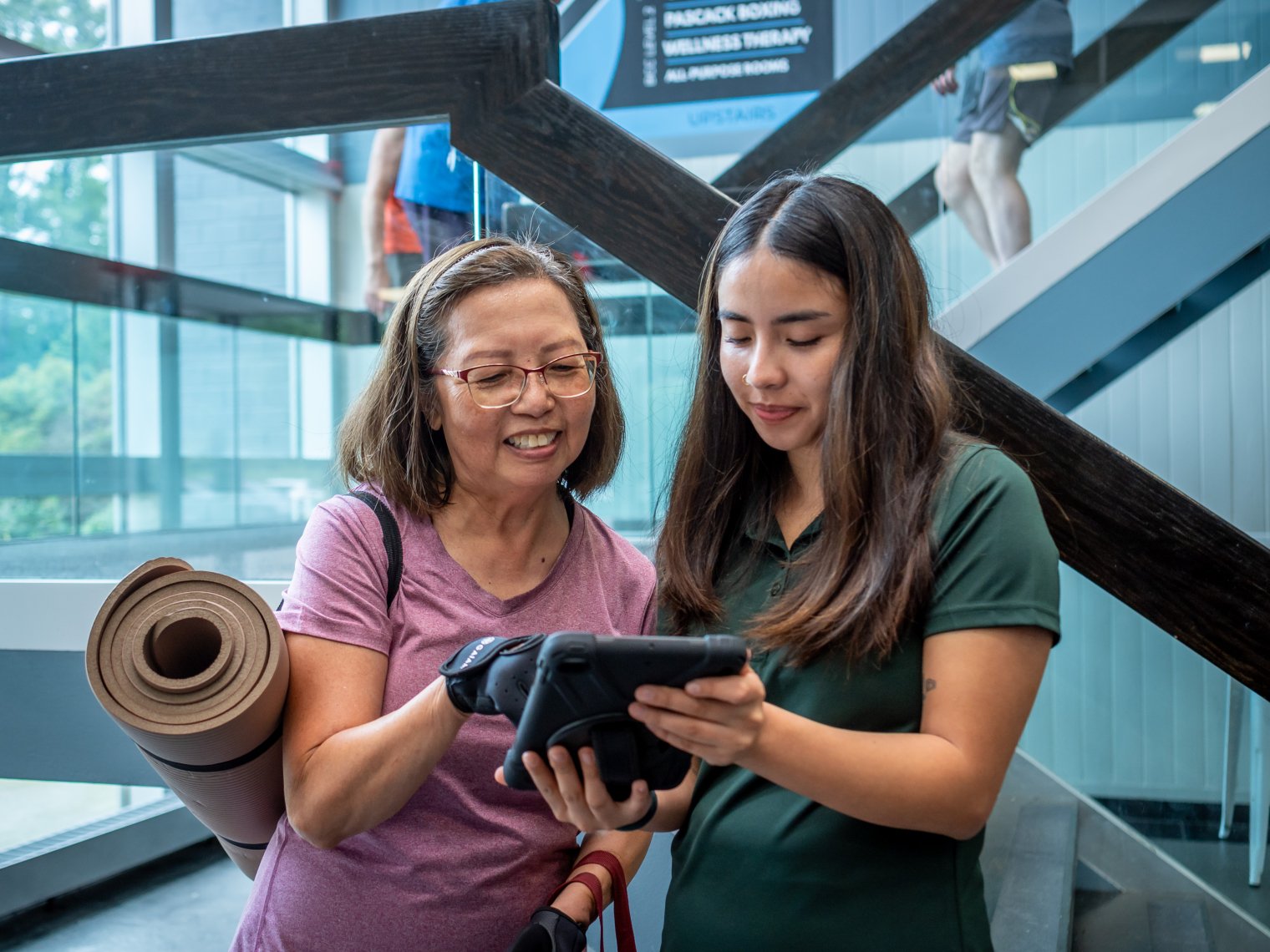
The 2026 Township of Washington Green Team evaluated the impacts of tree canopy loss across the township and engage community members through targeted outreach. The team leveraged available i-Map data to assess and project associated effects on air quality, the urban heat island effect, and water usage. The Green Team serving the Township of Washington produced the following deliverables:

  • A comprehensive assessment of community health outcomes associated with recent urbanization trends (e.g., building construction, biodiversity/tree loss, etc.)
  • A planting guide to support implementation alongside the township’s “2-for-1” tree removal policy
  • A suite of community-facing infographic materials, including an ArcGIS StoryMap, to communicate the public health impacts of tree canopy loss

Montclair Township - 2025

The Montclair Township Green Team worked in evaluating its street trees and developing strategies to expand canopy coverage. The team’s work focused on field surveys, equity assessments, and planning for long-term environmental benefits through the following deliverables:

  • Street Tree Field Survey: Conducted fieldwork and created a street tree database documenting the location of the tree, pit length, pit width, diameter at breast height, scientific name, common name, and tree condition for a subset of streets in the Township of Montclair.
  • Overburdened Community Tree Assessment: Quantified tree density and compared it to township-wide averages, and measured the carbon uptake of the trees using a carbon sensor to quantify vegetation and evaluate the environmental benefits of increasing the tree canopy in those areas.
  • Equity Analysis: Developed an equity dashboard with summary reports on canopy disparities around the township.
  • Implementation Plan: Developed a report and presentation outlining a strategic plan for enhancing the city’s tree canopy in the overburdened communities of Montclair.